
Light Requirements
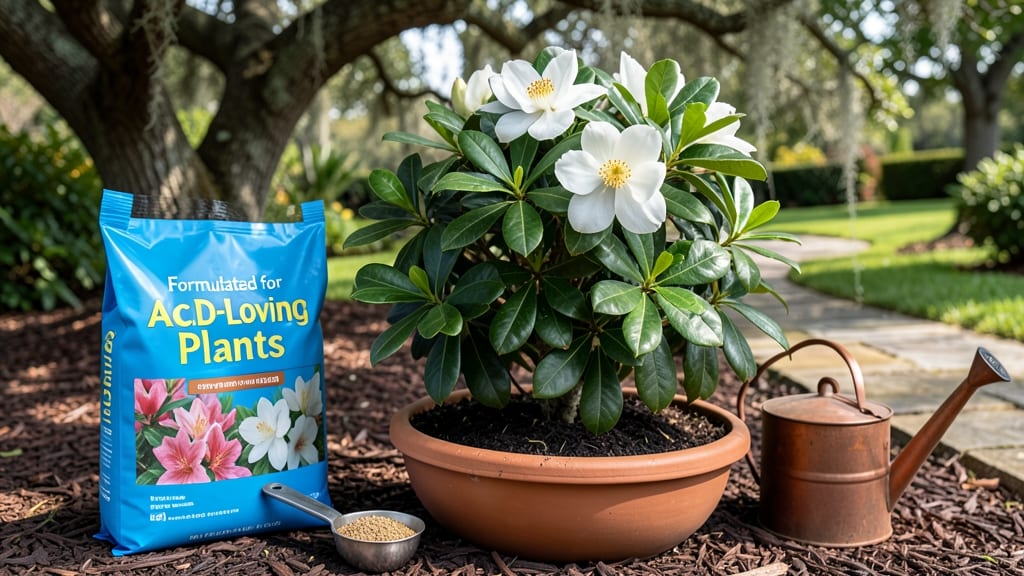
To keep your gardenia blooming with glossy leaves and intoxicating fragrance, you need the right fertilizer requirements—think of it as the plant’s secret recipe for success.
Struggling to keep your gardenia blooming with glossy leaves and intoxicating fragrance? The secret often lies in mastering its fertilizer needs—too much or too little can turn your prized plant into a sad, sparse shrub.
Gardenias thrive on a balanced NPK ratio of 6-10-10, with a focus on phosphorus to fuel those show-stopping blooms. Too much nitrogen, and you’ll end up with lush leaves but no flowers—something I’ve learned the hard way.
Below, I’ll break down the best fertilizers (organic and synthetic), the ideal feeding schedule, and how to avoid common mistakes like leaf burn or stunted growth—so you can enjoy your gardenia’s 🌸 beauty year after year.

Optimal NPK ratios for gardenias: what the numbers mean for growth & blooms
When it comes to gardenia fertilizer requirements, understanding NPK ratios is your secret weapon. These numbers—nitrogen (N), phosphorus (P), and potassium (K)—tell you exactly how to feed your plant for glossy leaves and fragrant blooms.
Gardenias, in particular, thrive on low-nitrogen formulas with a higher phosphorus focus to fuel their show-stopping flowers.
Think of nitrogen as the leafy green booster, phosphorus as the bloom trigger, and potassium as the stress reliever. For gardenias, a 6-10-10 NPK ratio is ideal—this means 6% nitrogen, 10% phosphorus, and 10% potassium.
Too much nitrogen can lead to leafy growth at the expense of flowers, while too little phosphorus will leave you with fewer blooms and weaker roots.
Here’s the breakdown of what each number does for your gardenia:
| Nutrient | Role for Gardenias | Ideal Ratio Range | Signs of Deficiency |
|---|---|---|---|
| Nitrogen (N) | Promotes leafy growth and stem development | 6-8% | Yellowing leaves, stunted growth |
| Phosphorus (P) | Encourages root development and flower production | 10-12% | Purple leaf stems, fewer blooms |
| Potassium (K) | Boosts disease resistance and fragrance intensity | 8-10% | Weak flower stems, leaf edges burn |
⚠️ Pro Tip: Always pair fertilizer with acid-loving plant food (pH 5.0-6.5) for best results.
One of the most common mistakes I see is using a high-nitrogen fertilizer (like lawn food) on gardenias. This leads to lush foliage but no flowers. Instead, opt for a balanced or phosphorus-heavy formula during the blooming season (spring to early summer).
For example, a 6-10-10 or 5-10-5 ratio is perfect for encouraging those iconic white blooms.
Seasonal adjustments are key. In spring, when your gardenia is waking up, a light feed with a balanced NPK (e.g., 6-6-6) helps roots establish. By summer, switch to a higher-phosphorus formula (e.g., 5-10-5) to support flower production.
Avoid fertilizing in fall and winter, as gardenias enter a dormant phase and don’t need extra nutrients.
If you notice leaf burn after fertilizing, you’re likely overdoing it. Flush the soil with water and reduce the frequency. For stunted growth, test your soil’s pH—gardenias need acidic soil (5.0-6.5). If it’s too alkaline, amend it with sulfur or peat moss to restore balance.
For potted gardenias, use a slow-release fertilizer like osmocote or organic options such as fish emulsion. These release nutrients gradually, preventing root burn from over-fertilization. Always water your plant thoroughly after feeding to help nutrients absorb into the soil.
Remember, gardenias reward patience. A consistent feeding schedule with the right NPK ratios will give you glossy leaves, fragrant blooms, and a plant that thrives for years. Start with a 6-10-10 formula, monitor your plant’s response, and adjust as needed. Happy gardening! 🌸
Best fertilizer types for gardenias: organic vs. synthetic options compared
Choosing the right fertilizer for your gardenia can feel overwhelming with so many options. Organic fertilizers like fish emulsion and bone meal build soil health over time, while synthetic options deliver quick nutrient boosts.
Both have unique benefits, but gardenias—with their acid-loving roots and fragrant blooms—respond best to specific formulations. Let’s break down the top choices to help you decide what works best for your plants and budget.
Gardenias thrive on low-nitrogen, high-phosphorus formulas to encourage blooming, but they also need potassium for overall vigor. Organic options improve soil structure and microbial life, while synthetic fertilizers provide precise nutrient ratios.
The key is matching your gardening goals—whether you prioritize long-term soil health or immediate bloom production. Here’s how the two stack up in real-world use.
Organic Fertilizers
- Pros: Improves soil structure, slow-release nutrients, earthworm-friendly
- Cons: Requires more frequent applications, slower results, can attract pests
Synthetic Fertilizers
- Pros: Fast-acting, precise nutrient ratios, cost-effective for large areas
- Cons: Can burn roots if overused, no soil health benefits, environmental runoff risks
Top Picks
- Organic: Fish emulsion (6-3-2), bone meal (3-15-0), composted manure
- Synthetic: 6-10-10 slow-release granules, acid-loving plant fertilizer
Fish emulsion is a top organic choice because it provides a balanced NPK ratio while adding beneficial microbes to the soil. I’ve found that applying it every 6-8 weeks during the growing season keeps my gardenias lush and blooming. The downside? It has a strong odor that some gardeners dislike. For a phosphorus boost, bone meal is excellent—just mix it into the soil in early spring to encourage root development and future blooms.
On the synthetic side, slow-release granules like 6-10-10 are my go-to for quick results. These granules dissolve gradually, reducing the risk of root burn while delivering consistent nutrients. They’re also more budget-friendly for larger garden beds.
However, they lack the soil-enhancing benefits of organic options, so I often use them in combination with compost to strike a balance.
Cost is another factor to consider. Organic fertilizers like fish emulsion or worm castings typically cost $10-$20 per gallon, while synthetic options like 6-10-10 granules run $5-$15 per pound.
For container gardenias, organic options might be pricier upfront, but they reduce the need for frequent repotting by improving soil quality over time. If you’re growing gardenias in acidic soil, synthetic fertilizers labeled for acid-loving plants can save you the hassle of adjusting pH separately.
My best advice? Start with a balanced organic fertilizer like fish emulsion for soil health, then supplement with a phosphorus-rich synthetic during bloom season. Always follow the label instructions—over-fertilizing can lead to leaf burn or stunted growth, while under-fertilizing may result in sparse blooms.
Monitor your gardenia’s response and adjust accordingly!