
Blooming
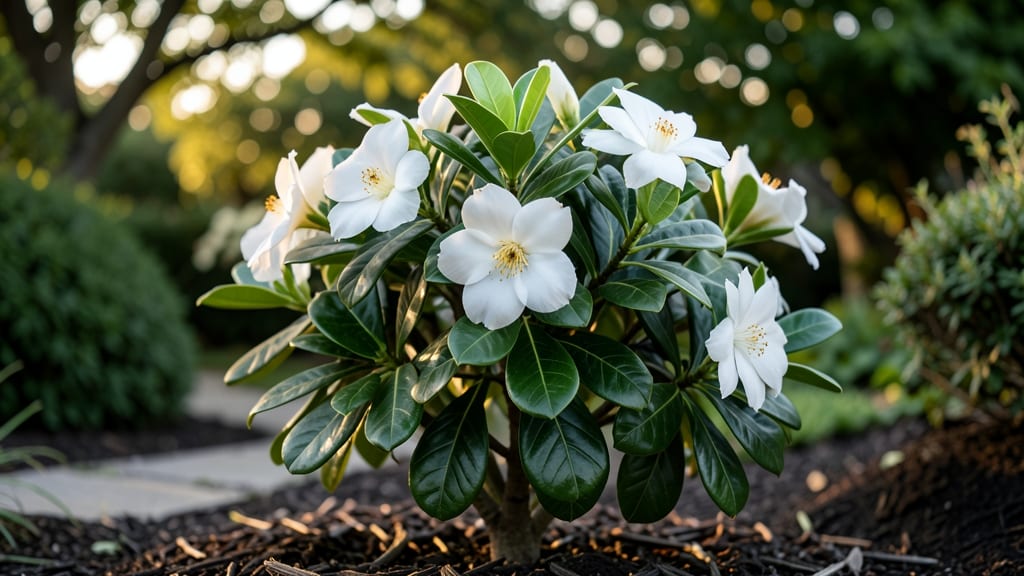
Gardenia flowering season peaks from late spring through summer 🌸, when creamy-white blooms and intoxicating fragrance transform your yard into a tropical escape.
Struggling to get your gardenia to bloom? The secret lies in mastering its flowering season—where light, temperature, and timing collide to create fragrant, creamy-white perfection.
In USDA Zone 9b (or 7-10 for broader suitability), gardenias typically burst into bloom between May and July, but the exact timing depends on variety, care, and climate. Some varieties, like 'Kleim’s Hardy', may bloom earlier, while others prefer the warmth of late spring.
Here’s how to trigger blooms year after year—from adjusting light exposure to fertilizing at the right time—so you never miss a single fragrant flower again.
When do gardenias bloom? Seasonal timing & climate zones
If you've ever waited eagerly for your gardenia to burst into fragrant blooms, you're not alone. These creamy-white flowers thrive on precise timing, and their flowering season depends heavily on climate zones and growing conditions.
In most regions, gardenias bloom from late spring to early fall, but the exact timing shifts based on where you live.
The USDA hardiness zones play a critical role in determining when your gardenia will flower. Gardenias prefer zones 7-10, where warm temperatures and humidity create ideal conditions.
For example, in Zone 9b (like Florida or Southern California), blooms typically appear in May and June, while in cooler Zone 7 (like parts of Virginia or North Carolina), they may not start until July or August.
| Climate Zone | Typical Bloom Time | Key Conditions | Regional Notes |
|---|---|---|---|
| Zones 9-10 (Florida, California, Hawaii) | May - September | Warm year-round, high humidity | Longest bloom season; may rebloom with care |
| Zone 8 (Georgia, South Carolina, Arizona) | June - August | Hot summers, mild winters | Needs afternoon shade to prevent stress |
| Zone 7 (Virginia, North Carolina, Oklahoma) | July - Early September | Warmer summers, cooler winters | May need winter protection in colder microclimates |
| Indoor Potted Gardenias (Any Zone) | Spring - Early Summer (Induced) | 12+ hours light, 70-80°F | Blooms can be forced year-round with proper care |
Outdoor gardenias in warmer climates like Florida or Southern California often bloom earlier and more prolifically than those in cooler regions. For instance, my gardenia in Zone 9b starts budding in April, while a friend’s plant in Zone 7 doesn’t show signs until June.
The difference comes down to temperature thresholds—gardenias need consistent warmth above 60°F to trigger blooming.
Indoor gardenias follow a different schedule because they’re shielded from seasonal changes. Without natural temperature shifts, they may bloom year-round if given consistent 12+ hours of light and 70-80°F temperatures. However, they often take a break in winter due to shorter daylight hours.
To encourage indoor blooms, I use a grow light in winter and maintain humidity with a pebble tray—this mimics their natural environment.
One common misconception is that gardenias bloom only once per year. While outdoor plants in cooler zones may have a single peak season, those in warmer zones (9-10) can produce multiple flushes if given proper care.
Pruning after the first bloom and fertilizing with acid-loving plant food can extend the season. For example, my 'Radicans' variety in Florida blooms from May through September with minimal intervention.
If you live in a cooler zone (7 or below), you’ll need to treat your gardenia like an annual or bring it indoors for winter. Gardenias are sensitive to frost, and temperatures below 30°F can kill the plant.
In Zone 6 or 7, I’ve seen gardeners dig up their plants in fall, pot them, and overwinter them in a garage or sunroom before replanting in spring. This trick works surprisingly well!
Light also affects bloom timing. Gardenias need bright, indirect light—too much direct sun can scorch leaves and delay blooming. In my experience, placing them near an east-facing window provides the perfect balance of morning sun and afternoon shade.
If your gardenia isn’t blooming, check its light exposure first. A simple fix like moving it to a shadier spot can make a huge difference within weeks.
Soil pH is another critical factor. Gardenias thrive in acidic soil (pH 5.0-6.5). If your soil is alkaline, the plant may struggle to absorb nutrients, leading to poor blooming. I test my soil every spring and amend it with peat moss or sulfur if needed.
A quick soil test kit costs under $10 and can save you from guessing games with your gardenia’s health.
To summarize, gardenias bloom when they receive the right combination of warmth, light, and care. Outdoor plants in warmer zones bloom earlier and longer, while indoor plants can be coaxed into blooming year
How to force gardenias to flower out of season with light & heat
Gardenias thrive on routine, but with the right tricks, you can coax them into blooming outside their natural spring-to-summer season. The key? Mimicking their ideal conditions—12+ hours of light and 70-80°F temperatures—to trick their dormant roots into thinking it's time to flower.
This method works best for potted gardenias or those in controlled environments like greenhouses or sunrooms.
Start by positioning your gardenia near a south-facing window or under a grow light. These plants need consistent light to set buds, so avoid placing them in dim corners.
If natural light is insufficient, supplement with a full-spectrum LED grow light for 12-14 hours daily. This mimics the long daylight hours of summer, signaling the plant to bloom.
⚠️ WARNING: Forcing Blooms Out of Season Can Stress Your Plant ⚠️
- Sudden temperature swings: Keep temps stable within 5°F daily. Avoid drafts or AC vents.
- Overwatering: Let the top 1-2 inches of soil dry between waterings. Soggy roots = no blooms.
- Skipping dormancy: After forcing, let the plant rest for 2-3 months to recharge.
- Wrong light spectrum: Use LED grow lights (not incandescent) for proper flower development.
For indoor gardenias, place pots on a heat mat set to 75°F to keep roots warm. Outdoor plants in cooler climates (USDA zones 7-8) benefit from row covers or a small greenhouse to trap heat.
Monitor soil moisture closely—overwatering in warm conditions can cause root rot, while underwatering stresses the plant and halts blooming.
Once buds form, maintain the same conditions to encourage opening. Reduce fertilizer to half-strength during this phase, as too much nitrogen promotes leafy growth over flowers. After the blooms fade, prune spent flowers and let the plant recover for 8-12 weeks before attempting another forced bloom cycle.
Patience is key—it can take 8-12 weeks from starting the process until you see flowers. Track your gardenia’s response by noting bud formation dates and adjusting light/heat as needed. With practice, you’ll master the art of out-of-season blooms and enjoy fragrant gardenias year-round!
🌸