
Plants
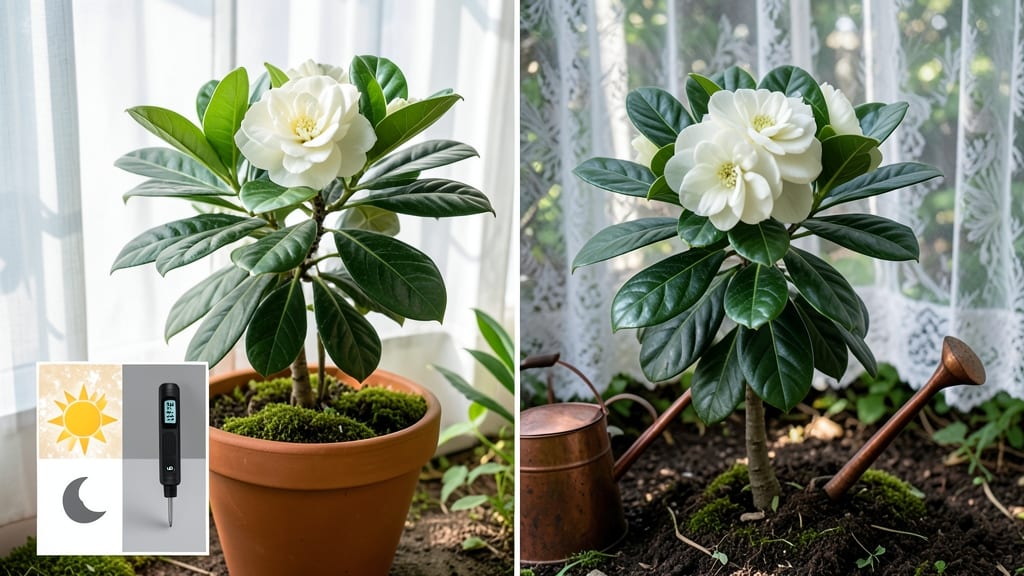
A gardenia plant thrives in partial shade with morning sun and afternoon shade 🌸 — the key to those fragrant blooms you love.
Struggling to keep your gardenia plant blooming? The right light balance—sun or shade—can make the difference between fragrant, lush flowers and sparse, struggling growth. Too much direct sun scorches the leaves, while too little shade stunts blooms, leaving you wondering why your plant isn’t thriving.
Whether you’re in a temperate climate like USDA Zone 6a or a warmer region, gardenias need bright, indirect light for at least 4-6 hours daily. In spring, when planting, choose a spot with dappled sunlight to avoid stressing the roots.
Below, I’ll break down exactly how much sun or shade your gardenia needs, how to spot signs of improper light, and practical tips—like pruning for better airflow—to keep those iconic white blossoms coming year after year.
 Best Window Placement
Optimal sunlight requirements for gardenia plants to bloom
If you're growing Gardenia jasminoides, the most popular gardenia variety, you've likely noticed how light conditions directly impact those coveted fragrant blooms. Unlike sun-loving plants, gardenias thrive in bright, indirect light—not full, harsh sunlight.
This delicate balance is why many gardeners struggle to get their plants to flower consistently. Understanding the morning sun vs. afternoon shade dynamic is key to unlocking your gardenia's full potential.
The ideal sunlight exposure for gardenias is 4-6 hours of morning sun followed by afternoon shade. This mimics their natural tropical habitat, where they grow under the canopy of taller trees.
Too much direct afternoon sun can scorch leaves, while insufficient light leads to sparse blooming. For indoor gardenias, an east-facing window provides perfect light without overheating the plant.
Here’s how different gardenia varieties adapt to light conditions, including outdoor vs. indoor cultivation:
| Variety | Outdoor Light Needs | Indoor Light Needs | Bloom Impact |
|---|---|---|---|
| Gardenia jasminoides | Morning sun + afternoon shade | East-facing window or grow lights | Abundant blooms with proper care |
| Gardenia augusta | Partial shade (30% sun) | Bright indirect light (no direct sun) | Moderate blooms; prefers cooler climates |
| Gardenia fortuniana | Morning sun + dappled shade | North or east window with supplemental light | Large, fragrant blooms; needs humidity |
| Gardenia radicans | Partial shade (40% sun) | Indirect light only (no direct exposure) | Vining habit; fewer blooms than jasminoides |
A common misconception is that gardenias need full sun like roses or sunflowers. In reality, direct afternoon sun can cause leaf burn and stress the plant, reducing flower production. I’ve seen gardeners in hot climates struggle with this—even with daily watering, the leaves turn yellow or brown at the edges.
The solution? Use shade cloth (30-50% coverage) during peak afternoon hours to filter harsh rays while still allowing light penetration.
For indoor gardenias, placement near a south-facing window might seem ideal, but the intense midday sun can be too strong. Instead, position your plant 3-6 feet away from the window to diffuse the light.
If your home lacks natural light, supplement with a full-spectrum grow light for 12-14 hours daily. I’ve had success with LED grow lights placed 12-18 inches above the plant, mimicking the morning sun they crave.
Watch for signs of improper light exposure: Yellowing leaves often indicate too much sun, while dark green, sparse foliage and no buds signal insufficient light. Prune back overgrown branches to improve air circulation and light penetration to the center of the plant.
This is especially important for mature gardenias, which can become dense and block their own sunlight.
In temperate climates (USDA Zones 7-10), gardenias can be grown outdoors year-round with proper light management. In cooler zones (6a-6b), bring potted gardenias indoors before the first frost and place them near a bright, indirect light source.
Avoid drafts from windows or doors, which can shock the plant and halt blooming. A humidifier nearby also helps, as gardenias thrive in 60-70% humidity.
If you’re in a shaded garden or urban setting with limited sunlight, choose shade-tolerant varieties like Gardenia augusta or Gardenia radicans. These adapt better to low-light conditions but may produce fewer blooms.
For maximum fragrance and flowers, Gardenia jasminoides remains the top pick—just ensure it gets its morning sun fix.
Pro tip: Rotate your potted gardenia every few weeks to ensure even light exposure on all sides. This prevents lopsided growth and encourages balanced blooming.
Pair this with regular pruning after flowering to maintain shape and improve air flow—your gardenia will reward you with lush, fragrant blooms all season long.
🌸
How to adapt gardenia care for partial shade or low-light conditions
If your gardenia plant is struggling in low-light conditions, don't despair—these fragrant shrubs can adapt with the right adjustments. While they thrive in morning sun with afternoon shade, gardenias in partial shade or indoor setups still need help to produce those iconic blooms.
The key is balancing light supplementation, pruning for airflow, and nutrient-rich soil to compensate for weaker sunlight.
Indoor gardenias often face the biggest challenges, as most homes lack the bright indirect light they crave. Without enough light, you'll notice yellowing leaves, sparse foliage, and—worst of all—no buds forming.
But with a few targeted tweaks, you can revive your plant and encourage blooming even in shadier spots. Start by evaluating your gardenia's current light exposure and making gradual adjustments to avoid shocking the plant.
⚠️ Warning: Signs Your Gardenia Isn't Getting Enough Light
- Leggy growth: Stems stretch excessively toward light sources
- Pale or yellow leaves: Chlorophyll breaks down from insufficient photosynthesis
- No flower buds: Lack of light prevents energy for blooming
- Weak, sparse foliage: Leaves grow small and thin
These symptoms mean your gardenia is starving for light. Act now with supplemental lighting or pruning adjustments to restore balance.
For indoor gardenias, grow lights are your best friend. Place a full-spectrum LED grow light 12-18 inches above the plant and provide 12-14 hours of light daily. Position the light to mimic natural morning sun—place it slightly to one side to encourage even growth.
Fluorescent bulbs (6500K color temperature) work well too, but LED grow lights are more energy-efficient and mimic sunlight better. Rotate your plant weekly to prevent one-sided growth.
Outdoor gardenias in partial shade benefit from pruning adjustments to improve light penetration. Thin out dense foliage, especially on the lower branches, to let light reach the center of the plant.
Prune in early spring before new growth begins, and avoid cutting more than one-third of the plant at a time. This encourages airflow and light exposure, which are critical for bud formation. Pair pruning with a balanced fertilizer (10-10-10 NPK) to support recovery and blooming.
Don't overlook the soil and fertilizer when adapting gardenias to low light. Amend your soil with organic matter like compost to improve nutrient availability, as shadier conditions slow nutrient uptake.
Feed your gardenia with a low-nitrogen, high-phosphorus fertilizer (like 5-10-10) every 4-6 weeks during the growing season to prioritize blooming over leafy growth. Avoid heavy nitrogen, which promotes foliage at the expense of flowers.
Mulch around the base with 2-3 inches of organic mulch to retain moisture and regulate soil temperature.
Patience is key when reviving a light-deprived gardenia. Monitor your plant's response to adjustments—look for new dark green leaves and bud formation as signs of improvement. If buds form but don't open, your gardenia may still need slightly more light.
Combine these care tips with consistent morning watering (1-2 inches per week) and you'll coax your gardenia back to its fragrant, blooming best—even in shadier conditions. 🌿