
Companion Plants
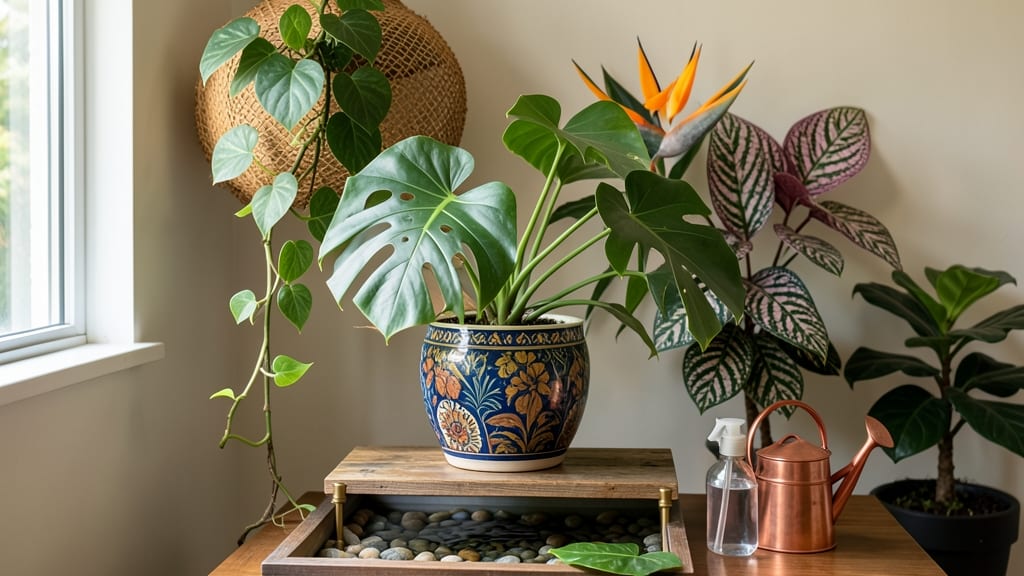
Gardening tropical plants successfully means bringing that jungle vibe into your space—whether indoors or out—without the usual struggles of wilting leaves or stunted growth.
Imagine growing vibrant, lush tropical plants year-round—even in cooler climates—without worrying about frost or seasonal die-back. With the right techniques, you can create a thriving jungle-like oasis that stays green and flourishing all 12 months.
Most people assume tropical plants are high-maintenance, but the truth is, they simply need the right balance of humidity, warmth, and light—not rocket science, just smart care.
I’ll show you how to pick the perfect plants for your climate, mimic their natural environment, and keep them thriving with minimal fuss.
From hardy varieties that thrive in containers to troubleshooting common pitfalls, this guide covers everything you need to turn your space into a lush tropical retreat—no green thumb required.
Best tropical plants for year-round humidity and growth conditions
Creating a thriving tropical garden is easier than you think, even if you don't live in a steamy jungle climate. The key lies in selecting hardy tropical plants that thrive in year-round humidity and adapting your care routine to match their natural growing conditions.
These plants aren't just for show—they bring life, color, and even air-purifying benefits to any space. Let's explore the top varieties that can handle different climates while keeping their lush, vibrant appearance.
When choosing tropical plants, focus on three critical factors: humidity tolerance, light requirements, and temperature resilience. Some varieties like the Monstera deliciosa can handle slightly drier air, while others like the Calathea orbifolia demand high humidity to prevent browning leaves.
The right selection ensures your garden stays green and healthy without constant fuss. Let's dive into the best options for every gardener's needs.
summary-table
Plant Name
Humidity Range
Sunlight Needs
Mature Size
Care Tips
Monstera deliciosa
50-80%
Bright, indirect light
6-10 ft tall
Tolerates dry air; prune for shape
Calathea orbifolia
60-90%
Low to medium indirect light
2-3 ft tall
Keep soil moist; avoid drafts
Bird of Paradise (Strelitzia)
50-70%
Full sun to partial shade
6-12 ft tall
Water deeply; frost-sensitive
Fiddle Leaf Fig (Ficus lyrata)
40-60%
Bright, indirect light
10-15 ft tall
Wipe leaves; avoid cold drafts
Philodendron hederaceum
50-70%
Low to bright indirect light
10-20 ft (climbing)
Train vines; mist occasionally
One of my favorite tropical plants for beginners is the Monstera deliciosa, also known as the Swiss cheese plant. This hardy variety thrives in moderate humidity levels (50-80%) and can handle slightly drier air better than many tropicals.
Place it near a bright, indirect light source, like an east-facing window, to encourage those iconic split leaves. Its large, glossy foliage adds instant drama to any room while requiring minimal fuss.
If you're after something with striking foliage patterns, the Calathea orbifolia is a showstopper. This plant demands high humidity (60-90%), making it perfect for bathrooms or kitchens with natural moisture. Its oval-shaped leaves have mesmerizing patterns that shift with light exposure.
To keep it happy, place it in low to medium indirect light and avoid cold drafts, which can cause leaf browning. A simple pebble tray under the pot can boost humidity levels instantly.
For outdoor enthusiasts, the Bird of Paradise (Strelitzia) is a stunning tropical choice that can handle full sun to partial shade. This plant thrives in moderate humidity (50-70%) and adds exotic beauty with its vibrant orange and blue flowers.
In cooler climates, grow it in containers and bring it indoors during winter. Water deeply but allow the top inch of soil to dry out between waterings to prevent root rot.
If you love bold statements, the Fiddle Leaf Fig (Ficus lyrata) delivers with its large, violin-shaped leaves. This plant prefers bright, indirect light and moderate humidity (40-60%), making it ideal for living rooms or offices.
Dust its leaves regularly to help it absorb light efficiently. Remember, it's sensitive to cold drafts, so keep it away from windows or doors that open frequently.
For those with limited space or a love for trailing plants, the Philodendron hederaceum is a fantastic option. This versatile vine thrives in low to bright indirect light and moderate humidity (50-70%). Train it to climb a trellis or let
How to replicate tropical humidity indoors and outdoors
Tropical plants thrive in environments with 60-80% humidity, but many of us live in dry climates where this is nearly impossible to achieve naturally. The good news?
With a few simple techniques, you can create the perfect microclimate for your humidity-loving plants—whether you're working with a small windowsill collection or a full outdoor greenhouse. The key is understanding how to mimic natural tropical conditions using tools and methods that fit your space and budget.
I’ve experimented with everything from DIY pebble trays to automated misting systems, and the results speak for themselves: my Monstera deliciosa and Calathea orbifolia now grow year-round with minimal stress.
The secret isn’t just about adding moisture—it’s about consistency and airflow. Let’s break down the most effective strategies to keep your tropical plants happy, whether you’re indoors or outdoors.
- 1
- 2
- 3
- 4
- 5
Clustering 3-5 plants creates a natural humidity zone through transpiration. My Philodendron and Fiddle Leaf Fig thrive in this setup with minimal extra effort.
Fill a shallow tray with pebbles and water, then place pots on top. The evaporating water adds 20-30% humidity to the air around your plants. Perfect for small spaces like bathrooms or kitchens.
A small ultrasonic humidifier (like the Levoit LV600HH) can maintain 60-70% humidity in a 500 sq. ft. room. Place it near your plants for best results—ideal for large collections or dry winter months.
Use a clear plastic tent or glass cloche to trap moisture. Add a misting bottle and check humidity daily. Great for outdoor plants in cooler climates or indoor setups with limited space.
Lightly mist leaves 2-3 times daily using room-temperature water. Avoid over-misting—fungus gnats love damp soil. Best for small, leafy plants like Pothos or Peperomia.
For outdoor gardens, greenhouses and cold frames are game-changers. A simple polycarbonate greenhouse (even a 4x4 ft. model) can extend your growing season by 3-4 months in cooler zones. I use mine to overwinter tropical ginger and elephant ears, which would otherwise die in my Zone 7b winters.
The trick is to ventilate daily to prevent mold and ensure circulation—stagnant air leads to bacterial leaf spot.
If you’re dealing with low humidity indoors, combine methods for best results. For example, I run a humidifier at night and use a pebble tray under my Calathea during the day. This keeps the relative humidity between 65-75%, which is perfect for tropical ferns and orchids.
Don’t forget to monitor humidity levels with a hygrometer—it’s the only way to know if your efforts are paying off.
One common mistake I see is overwatering in response to dry air. Tropical plants need moist air, not soggy soil. Always check the top inch of soil before watering—if it’s dry, your humidity levels might still be too low.
Pair your moisture strategies with well-draining pots and organic mulch to keep roots happy while you work on the air around them.
With these techniques, your tropical plants will thank you with glossy leaves, faster growth, and fewer brown leaf tips. Start with one or two methods, observe how your plants respond, and adjust as needed.
Before you know it, you’ll have a mini jungle thriving right in your home—no matter where you live. 🌿