
Planting
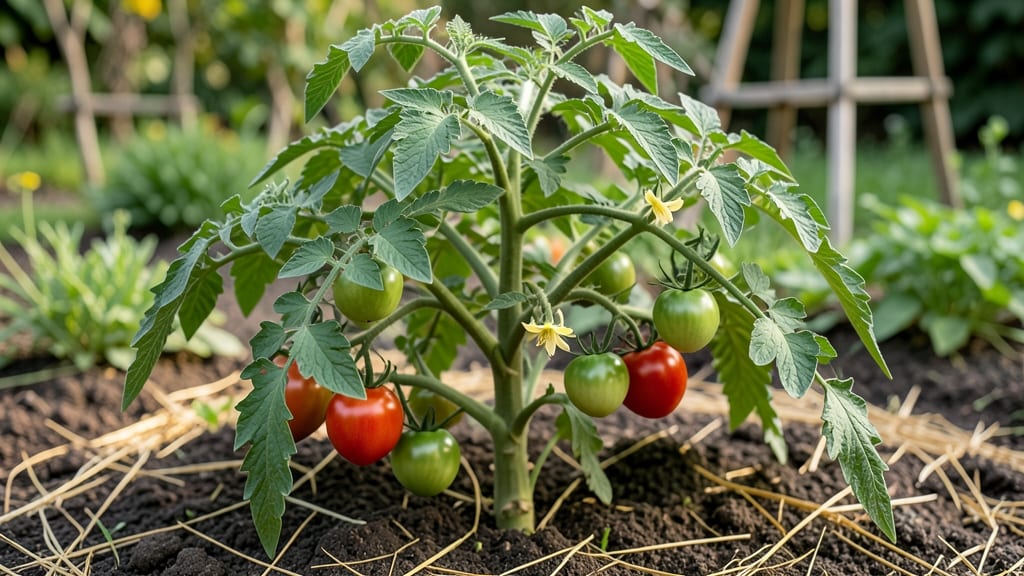
Gardening in Zone 8 means selecting heat-loving plants like tomatoes and peppers while planting cool-season crops such as kale and spinach in early spring and fall. With last frost dates between mid-March and early April and first frost arriving in late October to December, timing your plantings right is key to maximizing your garden's potential.
Zone 8's warm climate—typically 10°F to 20°F colder than Zone 9—lets you grow a wider variety of crops than cooler regions, but it also demands careful planning. 🌱 The extended growing season means you can experiment with tropical plants like sweet potatoes or eggplants, while the mild winters allow for overwintering certain herbs like rosemary.
However, summer heat can stress some plants, so mulching and shade cloth become essential tools. I've found that succession planting every 2-3 weeks after the last frost keeps my garden productive well into fall.
What sets Zone 8 apart is its ability to support two full growing seasons in many areas, giving gardeners more flexibility than those in colder zones.
For example, you can plant a quick-maturing crop like radishes in early spring, then follow with tomatoes in late spring, and still squeeze in a fall harvest of lettuce before the first frost. This dual-season advantage is why so many gardeners in Zone 8 swear by their extended harvests.
💡 In This Article
- Understanding Zone 8 Climate and Its Impact on Plant Growth
- Zone 8 Planting Calendar: When to Sow, Transplant, and Harvest
Understanding Zone 8 climate and its impact on plant growth
Zone 8's climate is defined by its mild winters and long, hot summers, with average annual minimum temperatures between 10°F and 20°F. This creates a frost-free period that typically spans 210-270 days, allowing for two full growing seasons in many areas.
The extended warmth means you can grow tropical plants like okra and sweet potatoes that would struggle in cooler zones, while also supporting cold-hardy crops like broccoli and cabbage during milder months.
The key challenge in Zone 8 is managing summer heat stress, which can cause bolting in leafy greens or blossom drop in fruiting plants.
For example, tomatoes often struggle when daytime temperatures exceed 90°F, leading to poor fruit set. 🌡️ Humidity levels also play a role—areas with high humidity (like the Southeast) are more prone to fungal diseases like powdery mildew, while drier regions may face heat-related stress.
This is why mulching with 2-3 inches of organic matter helps retain moisture and regulate soil temperature.
Comparing Zone 8 to adjacent zones highlights its unique advantages. Unlike Zone 7, which has shorter growing seasons and earlier frost risks, Zone 8 can support perennial herbs like rosemary and thyme without winter protection.
Meanwhile, Zone 9's extreme heat can overwhelm some plants, making Zone 8's moderate summers ideal for heat-sensitive crops like basil and cucumbers. The trade-off? Zone 8 gardeners must be vigilant about late-summer pests like squash bugs and aphids, which thrive in the warm, humid conditions.
Soil temperature is another critical factor—most warm-season crops need soil to reach 60°F or higher before planting. In Zone 8, this often happens by late March or early April, aligning with the last frost dates.
Cool-season crops, however, benefit from soil temperatures below 50°F, which is why early spring and fall plantings work best. For instance, spinach sown in September matures before winter chill sets in, while a March planting risks bolting as temperatures rise.
What most gardeners don't realize is how microclimates within Zone 8 can vary dramatically. A south-facing slope may reach 10°F warmer than a shaded valley, altering frost dates by 2-3 weeks.
This is why local records matter—your specific last frost date could be mid-March in coastal areas but early April inland. Using a minimum-maximum thermometer for a full season helps pinpoint your exact conditions.
To maximize success, focus on heat-tolerant varieties of your favorite crops. For example, 'Solar Fire' tomatoes thrive in high heat, while 'Malabar' spinach handles summer's warmth better than traditional varieties.
Pairing plants with complementary needs—like planting basil near tomatoes to repel pests—also improves resilience. 🌿 The result? A garden that leverages Zone 8's advantages while mitigating its challenges.