
Planting
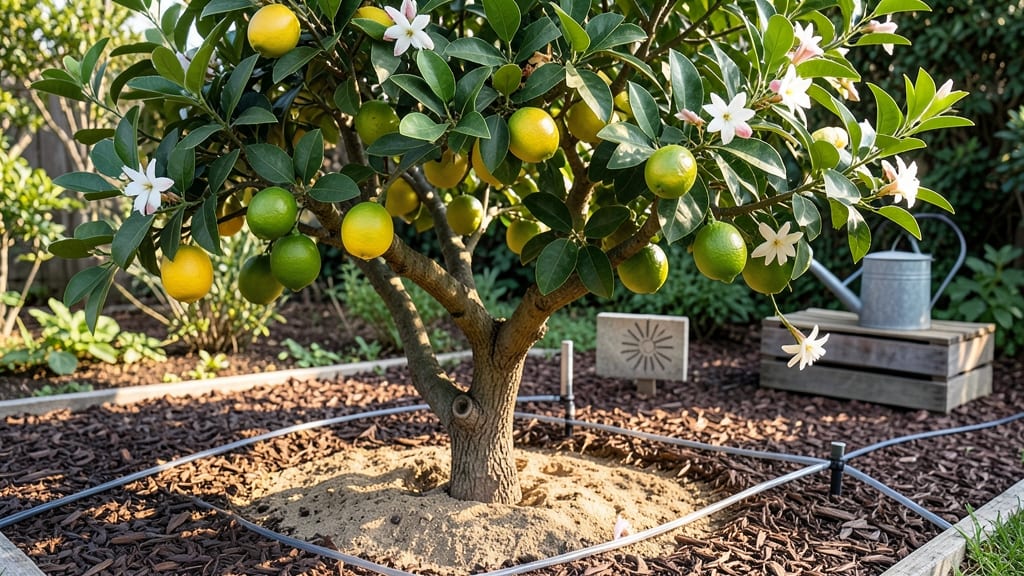
Gardening in Zone 9A means planning around frost-free seasons from mid-January to late November, with last frost dates typically between February 15 and March 15. Start warm-season crops after March 1, while cool-season plants thrive before September 15.
Zone 9A's long growing season—nearly year-round—lets you grow warm-season crops like tomatoes and peppers for most of the year, while cooler weather plants like lettuce and spinach thrive in winter.
The key is understanding your local microclimate: coastal areas stay milder longer than inland spots, so your exact planting dates may shift slightly. I always check my local weather station for growing degree days to fine-tune when to sow heat-loving seeds.
For example, basil and okra need consistent warmth, so I wait until after April 15 to plant them, even though the official frost date has passed.
What sets Zone 9A apart is its ability to grow two full harvests of many crops annually. 🌱 For instance, you can plant a spring crop of peas in January, harvest them by March, then replant with summer squash by April.
This double-cropping strategy maximizes your garden's productivity. Just remember: even in Zone 9A, unexpected cold snaps can happen, so always have row covers ready for frost-sensitive plants like citrus or avocados.
💡 In This Article
- Understanding Zone 9A Climate and Frost Patterns
- Zone 9A Planting Calendar by Season
Understanding zone 9A climate and frost patterns
Zone 9A's frost-free window is a gardener's goldmine, but it's not just about avoiding frost—it's about understanding heat accumulation. This zone typically sees average annual minimum temperatures between 25°F and 30°F, but the real magic happens in the growing degree days (GDDs).
These measure heat accumulation above a baseline 50°F, and Zone 9A accumulates roughly 4,500-5,000 GDDs annually. That's why you can grow tropical plants like yucca or hibiscus that need consistent warmth—your garden essentially mimics a subtropical climate.
The coastal areas within Zone 9A, like parts of Southern California, benefit from ocean breezes that moderate temperatures, often delaying first frosts until November 15-30.
In contrast, inland regions like Phoenix can experience earlier frosts around October 15, creating microclimates where your neighbor might be harvesting tomatoes while you're already covering frost-sensitive plants.
This is why I always recommend checking your local weather station for 10-year frost averages—they're more accurate than general zone guidelines. 🌬️
What makes Zone 9A unique is its ability to grow crops year-round with proper planning. The key is matching plant heat requirements with your local climate data. For example, sweet potatoes need 90-120 days above 80°F to mature, while lettuce thrives in cooler 60-70°F ranges.
This means you can plant lettuce in winter (December-February) while sweet potatoes go in during summer's peak heat (June-August). The science here is about thermal time—plants need a certain amount of heat energy to complete their life cycles.
One critical factor often overlooked is nighttime temperatures. Even in summer, nights can drop to 65-70°F in Zone 9A, which can stress heat-loving plants like eggplant. That's why I use black plastic mulch to raise soil temperatures by 5-10°F during these cooler evenings.
This simple technique can extend your growing season by 2-3 weeks for sensitive crops. The mulch also conserves moisture, which is crucial since Zone 9A's long growing season often coincides with dry periods.
For frost-sensitive plants like citrus or avocado, the real risk comes from unexpected cold snaps. While the average last frost is around March 15, I've seen temperatures dip to 28°F in coastal areas during rare events.
That's why I always have frost cloth and space heaters ready for my citrus trees. The good news? These cold snaps are rare—historical data shows they occur about once every 5-10 years in most Zone 9A locations.
Still, it's better to be prepared than to lose a $100+ tree to a single night of cold.
What most gardeners don't realize is how Zone 9A's climate affects plant diseases. The warm, humid summers create perfect conditions for fungal diseases like powdery mildew. That's why I focus on air circulation—pruning plants to allow light penetration and spacing them properly can reduce disease pressure by 40-50%.
The trade-off? You might need to water more frequently to maintain that circulation, but the healthier plants make it worth it. 🌿