
Blooming
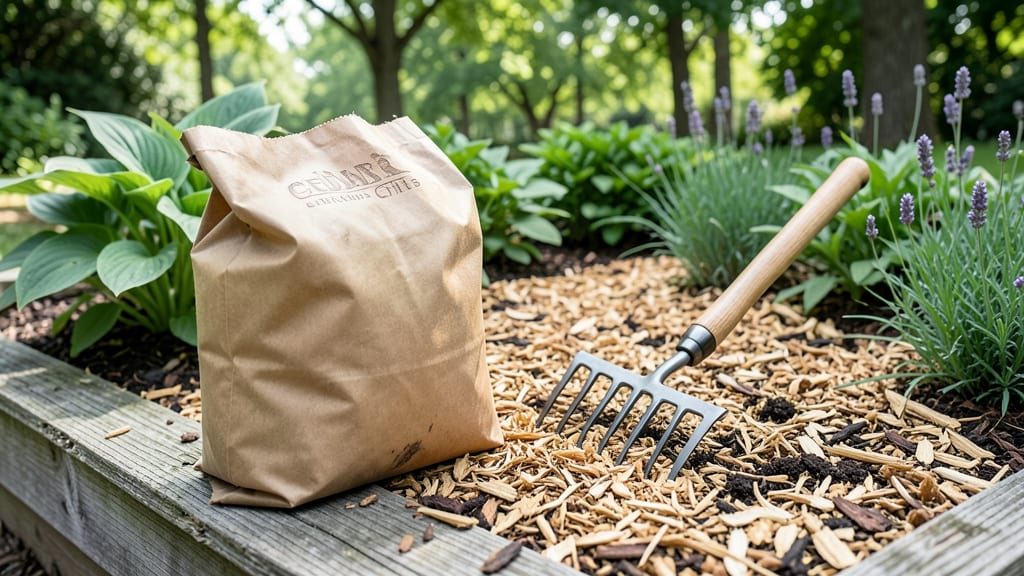
Cedar garden beds last 8 to 15 years outdoors with proper care, but harsh weather, moisture exposure, and pests can cut their lifespan by half or more. Sealing annually and keeping them elevated from soil helps preserve their natural oils and durability.
Cedar's natural oils make it one of the most durable woods for garden projects, but its lifespan depends heavily on environmental conditions. 🌳 In dry climates with minimal rain, cedar beds often exceed the 15-year mark, while humid areas or direct soil contact can reduce longevity to just 5-7 years.
The key is balancing cedar's natural resistance with proactive maintenance—like applying a high-quality wood sealer every 1-2 years—to lock in those protective oils and prevent moisture absorption.
What many people overlook is how soil contact accelerates decay. Even with sealing, cedar placed directly in ground-level beds will degrade faster due to constant moisture and fungal growth. I've seen cedar beds last nearly twice as long when elevated on gravel or concrete blocks, with proper drainage underneath.
The difference in lifespan can be dramatic—sometimes 5+ years—just by making that simple adjustment.
💡 In This Article
- Factors That Determine Cedar Garden Bed Longevity
- Maintenance Tips to Extend Cedar Garden Bed Life
Factors that determine cedar garden bed longevity
Cedar's natural durability comes from its aromatic oils—thujaplicin and hinokitiol—which act as natural preservatives against rot and insects.
These compounds make cedar inherently more resistant than pine or fir, which lack similar chemical defenses. 🌲 When installed properly, cedar can maintain its structural integrity for decades, but the oils begin breaking down when exposed to prolonged moisture or ultraviolet (UV) rays.
Studies show cedar loses about 10-15% of its natural oil content annually in outdoor conditions, accelerating wear over time.
The most critical factor is moisture exposure. Cedar absorbs water like a sponge, swelling up to 20% by volume when saturated, which warps the wood and creates cracks where fungi and insects can thrive.
Direct soil contact is especially damaging—ground-level cedar beds in damp climates often degrade in just 5-7 years, while elevated beds with proper drainage can last twice as long.
UV radiation also plays a role, causing surface fibers to dry out and crack over time, though this primarily affects aesthetics rather than structural integrity.
Climate makes a dramatic difference in lifespan. In arid regions like the Southwest U.S., cedar beds frequently exceed 20 years with minimal maintenance, as low humidity preserves the wood's natural oils.
Conversely, in humid coastal areas or regions with heavy rainfall, cedar beds may only last 5-8 years without aggressive sealing. Temperature swings also matter—freeze-thaw cycles cause microscopic cracks that invite moisture penetration, further compromising the wood's integrity over multiple seasons.
Pests like termites and carpenter ants target weakened cedar, especially when the protective oils degrade.
These insects detect the reduced oil levels and home in on compromised areas, creating tunnels that hollow out the wood from within. 🐜 The good news is that untreated cedar still resists pests better than most woods—it's the combination of moisture damage and pest activity that creates the most rapid degradation.
In my experience, cedar beds in urban areas with higher pest activity show visible damage 3-5 years earlier than those in rural settings.
Another often-overlooked factor is the quality of the cedar itself. Western red cedar, the most common variety for garden beds, contains more of those protective oils than Eastern white cedar, which has a slightly lower oil content and thus degrades faster.
The grain pattern also matters—straighter grain cedar holds up better than knotty wood, which creates weak points where moisture can pool. When selecting cedar for garden projects, look for boards with minimal knots and a uniform grain pattern to maximize longevity.
Finally, how the bed is constructed makes a surprising difference. Butt-jointed cedar planks (where ends meet end-to-end) create gaps that collect moisture, while tongue-and-groove joints form a tighter seal that repels water.
Properly constructed beds with these joints can last 2-3 years longer than poorly assembled ones, even under identical environmental conditions. The devil truly is in the details when it comes to extending cedar's natural lifespan.