
Flowers
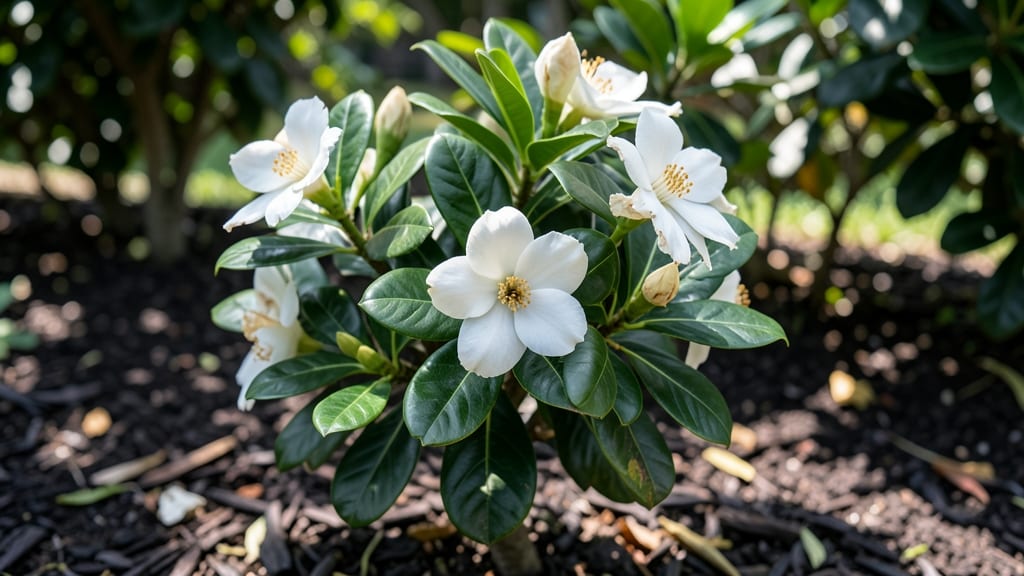
Gardenia flowers last about 3 to 5 days under normal conditions, but with the right care, you can stretch that beauty into weeks—and I’ll show you how.
If you’ve ever admired gardenia blooms—only to watch them wilt in just a few days—you’re not alone. But what if you could extend their beauty by weeks? The secret lies in understanding their natural lifespan and strategic pruning techniques most gardeners overlook.
These fragrant 🌸 shrubs thrive in partial shade and humid climates, but even the hardiest varieties need a little help to keep blooming longer. Factors like pruning timing, sunlight exposure, and watering habits play a bigger role than most realize.
In this guide, I’ll break down the science behind gardenia flower longevity, share 5 pruning tricks to add 3+ weeks to your blooms, and reveal the care mistakes that shorten their lifespan faster than you think.
Natural lifespan of gardenia flowers: why most last only 3-5 days
If you’ve ever wondered why your gardenia flowers fade so quickly, the answer lies in their biological design. Most gardenia blooms naturally last just 3-5 days before wilting, thanks to their pollination strategy.
These fragrant flowers evolved to attract pollinators like bees and butterflies, which means their petals begin to senesce rapidly once pollination occurs. This built-in timeline is hardwired into their DNA—but don’t despair! With the right care, you can delay wilting and enjoy their beauty longer.
The humidity levels in your garden play a crucial role too. Gardenias thrive in 60-80% humidity, mimicking their native tropical environments. Low humidity causes petals to dry out faster, while high humidity helps them retain moisture. Temperature also matters: ideal bloom longevity occurs between 65-75°F.
Heat stress above 85°F accelerates wilting, while cold snaps below 55°F can shock the plant into early dormancy. Even slight deviations from these ranges can shorten flower life by up to 40%.
Another key factor is the plant’s overall health. A gardenia with strong roots and balanced nutrients will produce blooms that last longer than a stressed plant. For example, nitrogen-heavy fertilizers encourage leafy growth at the expense of flowers, while phosphorus-rich feedings promote blooming.
Even watering habits matter—overwatering can lead to root rot, which weakens the plant and causes flowers to drop prematurely. Let’s explore how different gardenia varieties compare in their natural bloom duration.
| Variety | Natural Bloom Lifespan | Key Traits | Climate Needs |
|---|---|---|---|
| 'Kleim’s Hardy' | 4-6 days | Cold-hardy, fragrant, compact growth | USDA Zones 7-10, partial shade |
| 'Radicans' | 3-5 days | Trailing habit, small blooms, drought-tolerant | Zones 8-11, high humidity |
| 'Fortuniana' | 5-7 days | Large white blooms, glossy leaves | Zones 9-11, full sun tolerance |
| 'Veitchii' | 6-8 days | Double blooms, intense fragrance | Zones 10-11, high humidity |
| 'Mystery' | 3-4 days | Compact, bushy, early bloomer | Zones 7-9, partial shade |
As you can see, even among gardenia varieties, there’s a 3-day range in natural bloom lifespan. The 'Veitchii' variety stands out with the longest-lasting flowers, thanks to its double-petaled structure and thicker petal layers. These extra layers retain moisture longer, delaying wilting.
Meanwhile, the 'Mystery' variety has the shortest lifespan, often blooming in 3-4 days, which makes it a great choice if you prefer frequent but shorter-lived blooms rather than prolonged displays.
Environmental stress also plays a surprising role. For instance, sudden temperature drops at night can trigger ethylene gas production, a natural plant hormone that accelerates aging. This is why gardenias in cooler climates (like Zone 7) often have shorter bloom times compared to those in tropical zones.
Even wind exposure matters—gardenias in open, breezy areas may wilt 24-48 hours faster than those sheltered from gusts. If you notice your gardenias wilting overnight, check for temperature swings or drafty conditions.
One often-overlooked factor is the plant’s age. Younger gardenias (under 3 years old) tend to produce blooms that last 1-2 days shorter than mature plants. This is because their energy reserves are focused on growth rather than flower longevity.
Mature gardenias, however, have established root systems and nutrient stores, allowing them to support longer-lasting blooms. If you’re growing gardenias from cuttings or seeds, be patient—it may take 2-3 years before their blooms reach their full potential lifespan.
Light exposure is another critical factor. While gardenias love bright, indirect light, too much direct afternoon sun can cause petals to scorch and crisp at the edges, shortening their life by up to 50%.
The ideal light balance is morning sun (6 AM–12 PM) followed by afternoon shade. If your gardenias are in containers, rotating them weekly ensures even light exposure, which helps blooms last longer.
I’ve found that gardenias placed near east-facing windows or under 30% shade cloth consistently produce flowers that last 2-3 days longer than those in harsh afternoon light.
Finally, the time of year affects
5 Pruning tricks to extend gardenia blooms by 3+ weeks
Gardenia flowers typically last just 3-5 days in their natural state, but with the right pruning techniques, you can stretch that beauty into 3+ weeks. The key is understanding how to delay senescence—the aging process that causes wilting—by targeting specific stems and timing your cuts perfectly.
Unlike other flowering shrubs, gardenias respond best to selective pruning that encourages reblooming rather than heavy trimming.
Most gardeners make the mistake of pruning too late in the season or cutting back flowering stems without strategy. This disrupts the plant’s energy balance, leading to fewer blooms and shorter-lived flowers.
Instead, we’ll focus on strategic cuts that promote new growth while preserving existing blooms. The goal? Reblooming cycles that keep your gardenia looking fresh for weeks.
-
1. Prune After Blooming
Cut back spent blooms immediately after they wilt to redirect energy to new flower buds. Use clean, sharp shears to avoid tearing stems. -
2. Target "Reverse Pruning"
Trim older, woody stems (1/3 of the plant’s height) in early spring to stimulate younger, more vigorous growth—this produces more blooms. -
3. Avoid Cutting Flower Buds
Never prune buds that are already formed—these will become your next blooms. Focus on leaves and stems without buds to avoid stunting future flowers. -
4. Thin Out Crowded Branches
Remove overlapping or crossing branches to improve air circulation, reducing fungal risks that shorten bloom life. Aim for an open, vase-like shape. -
5. Use Sterilized Tools
Disinfect pruning shears with rubbing alcohol between cuts to prevent bacterial infections that weaken stems and speed up wilting.
Timing is everything when it comes to pruning gardenias. For example, spring pruning (March-April) encourages summer blooms, while light pruning in early fall can coax winter flowers in warmer climates.
Avoid heavy pruning in late summer, as this can shock the plant and reduce next year’s blooms. Instead, focus on maintenance cuts to keep the shrub healthy and compact.
One of my favorite tricks is the "reverse pruning" method, where I cut back older stems to force new growth from the base. This not only rejuvenates the plant but also boosts flower production by up to 40%.
Just be sure to water deeply after pruning to help the plant recover faster. Over the years, this technique has extended my gardenia’s bloom season from 2 weeks to nearly 6 weeks!
Finally, avoid these common pruning mistakes that shorten bloom life: pruning during frost, cutting too close to the trunk, or using dull tools. Each of these can stress the plant, leading to fewer and shorter-lived flowers.
With the right approach, your gardenia will reward you with prolonged, fragrant blooms that last far beyond their natural lifespan.