
Watering
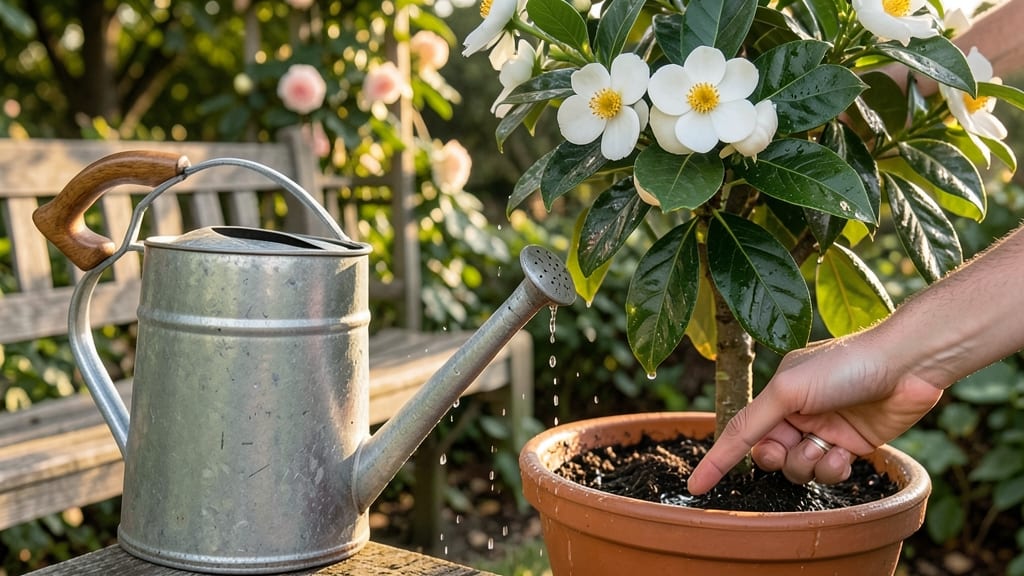
Gardenias need consistent moisture but hate soggy roots—balancing watering is the key to those lush blooms and glossy leaves you love.
Picture this: your fragrant 🌸 gardenia wilts despite daily watering, or worse, its leaves yellow and drop. The issue isn’t the water itself—it’s how much, how often, and whether your soil is draining properly. Most gardeners overdo it, drowning roots in a pot or patch that can’t recover.
In this guide, I’ll show you the soil check method that tells you exactly when to water (spoiler: it’s not every day, even in summer). You’ll learn seasonal adjustments, how to spot overwatering before it’s too late, and why morning watering keeps your gardenias thriving without waste.
Ready to master the routine? By the end, you’ll know not just how much to water, but when—so your gardenias reward you with blooms that last from June through September.
Gardenia watering schedule by season: how often to water for peak blooms
Gardenias thrive when their watering routine matches the season—too much or too little can stunt blooms and stress your plant. In spring and summer, they crave consistent moisture to fuel lush foliage and fragrant flowers, while fall and winter demand a lighter touch.
The key? Checking soil moisture before watering to avoid soggy roots or thirsty leaves.
I’ve learned the hard way that gardenias hate soggy feet—root rot from overwatering is their #1 enemy. Yet, skipping water in peak heat causes buds to drop.
The solution? A seasonal watering schedule paired with a simple soil test. Let’s break it down by season so you can keep your gardenias blooming like clockwork.
| Season | Frequency | Soil Depth Check | Water Amount | Notes |
|---|---|---|---|---|
| Spring | Every 2 days | 2-3 inches dry | 1-1.5 gallons | Increase if potted |
| Summer | Daily or every other day | 1-2 inches dry | 1.5-2 gallons | Mulch to retain moisture |
| Fall | Every 3-4 days | 3 inches dry | 1 gallon | Reduce as temps drop |
| Winter | Every 7-10 days | 4 inches dry | 0.5-1 gallon | Dormant phase |
In spring, gardenias wake up hungry after winter dormancy. Water every 2 days when the top 2-3 inches of soil feel dry. This is when buds form, so consistency is critical.
I’ve seen gardenias double their blooms when watered correctly during this phase—just don’t let them sit in wet soil.
Summer is the most demanding season for gardenias. With daily or every-other-day watering, you’ll need to monitor soil moisture closely. The 1-2 inch dry test becomes your best friend here.
In humid climates, reduce frequency slightly to prevent fungal issues, while drought conditions may require daily watering. Always water deeply—1.5-2 gallons per plant—to encourage strong root growth.
As fall arrives, cut back to watering every 3-4 days. The soil should be dry down to 3 inches before watering again. This gradual reduction helps gardenias prepare for winter.
I’ve noticed that plants watered too heavily in fall can develop bud blast—where buds form but fail to open.
Winter is all about minimal watering. Gardenias enter dormancy, so stretch watering to every 7-10 days. Check soil moisture at 4 inches deep—this prevents root rot while keeping the plant hydrated enough to survive cold snaps.
If your gardenia is potted, reduce winter watering to every 2 weeks since containers dry out faster.
Pro tip: Mulch around your gardenias in summer and fall to lock in moisture. I use 3-4 inches of pine bark mulch, which also helps maintain the acidic soil they love. Avoid mulching too close to the stem—keep it 2-3 inches away to prevent rot.
One common mistake? Watering based on a schedule instead of soil conditions. Always check moisture before watering. Stick your finger in the soil—if it’s damp at 1-2 inches deep, wait another day.
Overwatering causes yellow leaves and mushy stems, while underwatering leads to dropped buds and crispy edges.
For container gardenias, watering needs shift dramatically. Potted plants dry out faster, so increase summer watering to every 1-2 days. Always ensure pots have drainage holes—I’ve seen gardenias in glazed pots develop root rot within weeks. Use a terracotta pot for better breathability if possible.
Final thought: Morning watering is best—it reduces evaporation and fungal risks. Avoid evening water, which can leave foliage damp overnight. With this seasonal schedule, your gardenias will reward you with gl
The 3-Step soil check method to avoid overwatering gardenias
Gardenias thrive on consistent moisture but despise soggy roots—making soil checks your secret weapon for perfect blooms. Unlike drought-tolerant plants, gardenias demand damp (not wet) soil, so learning to read their moisture cues saves you from both wilting and root rot.
The key? A simple 3-step tactile test that takes 30 seconds and replaces guesswork with science.
Most gardeners overwater because they assume "more water = more flowers". In reality, gardenias stop blooming when roots suffocate in waterlogged soil. My 3-step method mimics how pros check moisture—using your fingers, eyes, and a gentle squeeze.
You’ll know exactly when to water (and when to hold back) based on soil texture, color, and weight.
💧 How Much Water Do Gardenias Need?
1,000–1,500ml per watering (deep soak) every 2–3 days in summer, but adjust based on soil checks. Gardenias hate dry spells and waterlogged soil—the 3-step test ensures you hit the sweet spot between thirsty and drowning.
Step 1: Finger Depth Test – Stick your index finger 2 inches deep into the soil near the plant’s base. If it feels dry and crumbly, it’s time to water. If it’s still cool and damp, wait another day. Pro tip: Use your middle finger for larger gardenias—it reaches deeper where roots thrive.
Step 2: Soil Color Check – Healthy gardenia soil is a dark brown or rich tan. If it’s grayish or rust-colored, it’s waterlogged (time to let it dry). Pale or white streaks mean it’s bone-dry—water immediately. I test 3 spots around the plant to catch uneven moisture (common in containers).
Step 3: Squeeze Test – Grab a handful of soil and give it a gentle squeeze. If it holds its shape like wet sand, hold off on watering. If it crumbles easily, your gardenia’s roots are thirsty. For container gardenias, check the soil at the bottom of the pot—this is where roots often rot first.
Watch for these red flags: Yellow leaves (overwatering), drooping buds (underwatering), or moldy soil (fungus from poor drainage). Fix overwatering by letting the top 3 inches dry between waterings and adding perlite to soil.
For underwatering, soak deeply until water runs out drainage holes, then mulch to retain moisture.
Master these checks, and your gardenias will reward you with glossy leaves and heavy blooms all season. The secret? Patience—gardenias prefer steady hydration over sporadic drenching. Try the method for a week, and you’ll see the difference in your plant’s vigor. 🌿