
Watering
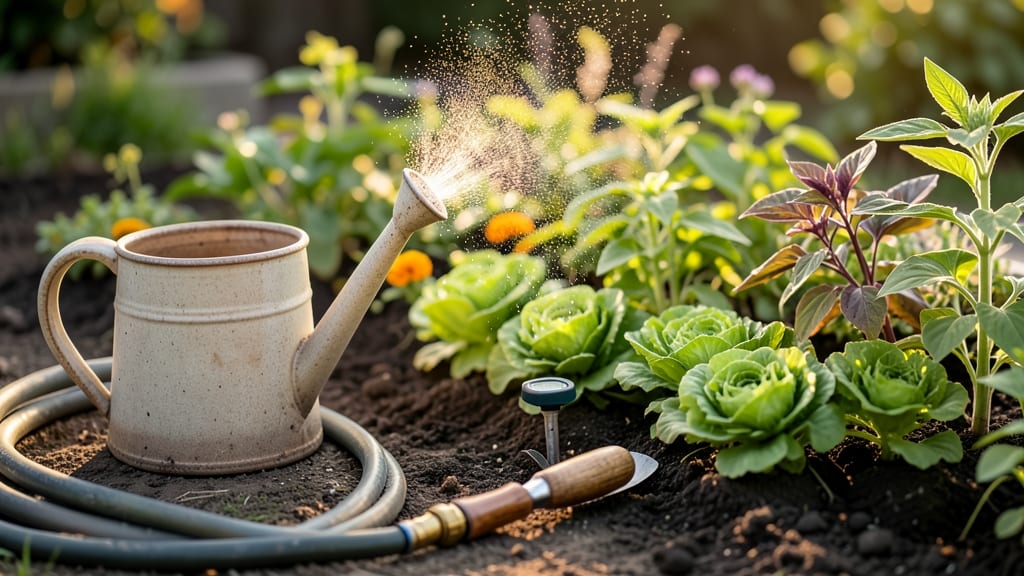
To water your garden properly, check the soil first—most plants need water when the top 1–2 inches feel dry to the touch, but timing varies wildly by plant type and season.
Overwatering or underwatering your garden can stifle plant growth—or worse, kill them. Instead of guessing, use this science-backed soil check method to water your garden just right, every time.
Think about it: a thirsty tomato plant wilts by noon, while a drought-tolerant lavender thrives on neglect. The key? Understanding your soil’s moisture level and adjusting for climate, plant needs, and seasonal shifts.
In this guide, I’ll walk you through the 5-step soil check method, custom watering schedules for common plants, and how to spot when you’re watering wrong—so your garden stays lush, not soggy or stressed.
The 5-Step soil check method to determine watering frequency
Watering your garden feels like a guessing game—too much and roots rot, too little and plants wilt. The secret? Testing soil moisture before reaching for the hose. This method uses simple tools you already own to give your plants the perfect balance of hydration.
I’ve used it for years with tomatoes, herbs, and flowers, and it works every time.
Most gardeners water on a schedule, but plants need moisture based on their root depth, soil type, and weather conditions. For example, succulents need infrequent deep watering, while leafy greens prefer consistent dampness. The key is checking the soil—not just the surface—where roots actually drink.
Here’s the game-changer: The 5-Step Soil Check Method. It’s foolproof, takes less than a minute, and eliminates the guesswork. Grab a wooden skewer, finger, or moisture meter (if you have one), and let’s get started.
🌱 The 5-Step Soil Check Method
- Step 1: Choose Your Tool
- Finger: Best for small containers or loose soil
- Wooden skewer: Ideal for in-ground plants (sterilize with rubbing alcohol first)
- Moisture meter: Fastest for large gardens or sandy soil
- Step 2: Check Depth
- Herbs/Vegetables: Insert tool 1–2 inches deep (root zone)
- Trees/Shrubs: Check 3–6 inches deep (match root depth)
- Succulents/Cacti: Test 2–3 inches (they store water)
- Step 3: Assess Moisture
- Dry: Tool comes out clean = water immediately
- Moist: Slight dampness = wait 1–2 days
- Wet: Water beads on tool = skip watering
- Step 4: Adjust for Soil Type
- Clay Soil: Holds moisture longer—wait until dry 1 inch down
- Sandy Soil: Drains fast—water when top ½ inch feels dry
- Loamy Soil: Balanced—check 1 inch deep daily
- Step 5: Water Deeply
- Use a soaker hose or water at the base (not leaves)
- Water until soil 12 inches deep is moist (for most plants)
- Morning watering (6–9 AM) reduces evaporation and fungus risk
Pro tip: Keep a garden journal to track when you watered and how the soil felt. Over time, you’ll spot patterns—like how summer heat drains soil faster or how mulch retains moisture longer. I notice my basil needs water every 2 days in July but only weekly in May.
For container gardens, check moisture daily since pots dry out faster. If the soil feels damp at the surface but dry deeper, water until it runs out the drainage holes. Overwatering is the #1 killer of potted plants—always let excess water drain away.
What about rainy seasons? If you’ve had 1 inch of rain in the last 24 hours, skip your soil check and wait. Use a rain gauge to track precipitation—it’s a game-changer for adjusting your watering schedule.
I once drowned my peppers because I didn’t account for a week of steady rain!
Remember: Healthy soil = happy plants. The goal isn’t to keep soil soggy or bone-dry but to mimic nature’s watering cycle. With this method, you’ll give your garden the consistent moisture it craves without wasting water or risking root rot.
Start today by testing your soil before your next watering session. Your plants will thank you with vibrant growth, bigger blooms, and healthier harvests—all while saving water and time. Happy digging! 🌱
Watering schedules by plant type: how much & when to adjust
Not all plants drink the same amount of water—and that’s why a one-size-fits-all schedule rarely works. Vegetables like tomatoes need 1–2 inches weekly, while succulents thrive on just 1 inch every 2–3 weeks. Even within the same plant family, container plants dry out faster than in-ground varieties.
Let’s break down the science so you can water like a pro, adjusting for seasonal heat, soil type, and plant needs.
Your soil type plays a huge role: Clay soil holds moisture longer, while sandy soil drains quickly.
Containers need daily checks in summer, but in-ground plants might only need watering every 5–7 days. Seasonal shifts matter too—summer heat demands daily watering for most plants, while winter slows everything down to bi-weekly or less. Use this table as your go-to guide for common garden plants.
For clay soil, reduce watering by 20–30% since it retains moisture longer. In sandy soil, water 25–50% more to prevent rapid drying. Mulching (2–4 inches of organic matter) cuts evaporation by up to 30%, so always apply it after watering.
Pro tip: Morning watering (before 10 AM) reduces fungal risks and gives plants a full day to dry.
Watch for leaf color and soil texture: Yellowing leaves often signal overwatering, while crispy edges mean underwatering.
Adjust your schedule based on weather forecasts—heatwaves mean more frequent watering, while rain cancels your schedule for the week. Container plants are the most finicky; check soil moisture daily in summer by sticking your finger 1 inch deep.
Remember, deep watering (1–2 inches per session) encourages strong root growth, while shallow watering keeps roots near the surface. If your tomatoes are wilting by midday, it’s time to adjust—even if the soil feels damp. Succulents, on the other hand, prefer dry spells between waterings.
Start with this guide, then tweak as you observe your garden’s unique needs. 🌱