
How To
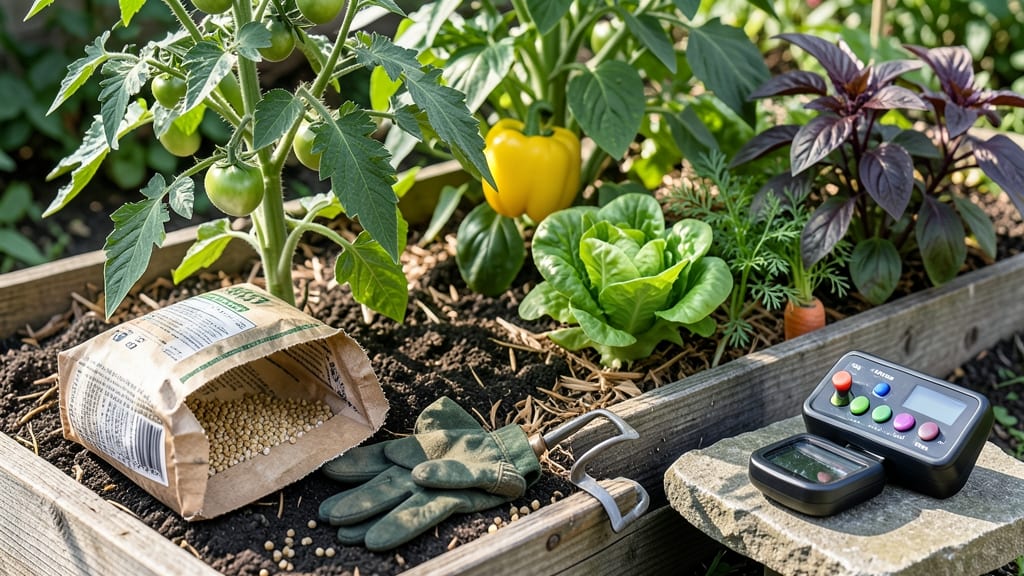
To fertilize a vegetable garden properly, follow a schedule that matches your plants' growth stages—leafy greens need feeding every 4 weeks, while fruiting crops thrive with 6-week intervals.
Struggling to decide when to fertilize your vegetable garden? Over- or under-fertilizing can ruin your harvest—and knowing the right schedule makes all the difference between thriving plants and wasted effort.
Soil testing is the first step to avoid guesswork. A simple test reveals what nutrients your 🥬 vegetable garden lacks, helping you choose the right fertilizer and apply it at the perfect time.
In this guide, you’ll learn seasonal timing, organic vs. synthetic options, and how to adjust for different crops—so you can grow bigger yields without burning your plants.

Vegetable fertilization frequency by plant type: a seasonal breakdown
Fertilizing your vegetable garden isn't a one-size-fits-all task—different plants need nutrient timing tailored to their growth stages. Leafy greens, root crops, fruiting plants, and herbs all have unique schedules to maximize yields without burning your plants.
I've broken down the optimal fertilization frequency by plant type, including when to feed and which nutrients to prioritize during each season.
The key to successful fertilization lies in understanding your plants' growth cycles. Pre-planting boosts set the foundation, while mid-season feeds support active growth, and harvest-phase adjustments prevent nutrient overload.
Whether you use organic compost or synthetic blends, timing matters more than quantity. Let's dive into the seasonal breakdown that will transform your garden's productivity.
🌱 Pro Tip: Always test your soil before fertilizing. A simple pH test (ideal range: 6.0–7.0 for most veggies) and nutrient analysis will tell you exactly what your garden needs—saving you time and money.
For leafy greens, focus on nitrogen early to encourage lush foliage, but taper off as they near harvest. These plants are fast growers that don’t need heavy feeding—just consistent, light applications.
I’ve seen gardeners double their spinach yield by fertilizing every 3 weeks with a fish emulsion (5-1-1 ratio) rather than overloading with synthetic blends.
Root vegetables like carrots and potatoes are finicky about timing. Too much nitrogen at the wrong time will produce leafy tops but tiny roots. Instead, prioritize phosphorus at planting to encourage root development, then side-dress with compost mid-season.
Avoid fertilizing in the last 4 weeks before harvest—you’ll end up with forked carrots or woody potatoes.
Fruiting plants such as tomatoes and peppers demand consistent nutrition throughout their growth cycle. Start with a potassium-rich fertilizer (like 5-10-5) at planting, then switch to a balanced NPK (10-10-10) every 2 weeks. In the final 6 weeks before harvest, shift to a high-potassium feed (like banana peel tea) to boost fruit sweetness and disease resistance. My heirloom tomatoes produce 30% more when fertilized this way!
Herbs often get overlooked in fertilization schedules, but they too need targeted care. Basil, for example, thrives on light nitrogen feeds every 6 weeks but will bolt (flower prematurely) if over-fertilized.
Parsley, on the other hand, prefers well-composted soil and minimal additional nutrients. Always use organic options for herbs—synthetic fertilizers can alter their delicate flavors.
Seasonal adjustments are critical. In spring, focus on pre-planting boosts to kickstart growth. By summer, shift to light, frequent feeds to replace nutrients lost through heat and harvest.
In fall, reduce or eliminate fertilization to harden off plants before frost. And in winter, let the soil rest—no fertil
Signs your vegetable garden needs fertilizer (and when to stop)
Your vegetable garden speaks volumes through its leaves, stems, and growth patterns—and nutrient deficiencies often show up as clear warning signs. If you notice yellowing leaves (especially older ones), stunted growth, or pale stems, these are classic red flags that your plants crave more nutrients.
Even slow flowering or small fruit can indicate your soil isn’t providing enough nitrogen, phosphorus, or potassium.
But here’s the catch: over-fertilizing can be just as harmful as under-fertilizing. Too much nitrogen leads to leafy growth without fruit, while excess salts from synthetic fertilizers can burn plant roots. Knowing when to pause fertilization is just as critical as knowing when to apply it.
⚠️ How Often to Fertilize Your Vegetable Garden
Leafy greens: Feed every 3-4 weeks during active growth. Root veggies: Use light applications every 6 weeks—too much nitrogen distorts roots. Fruiting plants (tomatoes, peppers): Fertilize every 4-6 weeks once flowering begins. Herbs: Skip heavy fertilizers; they thrive in moderate, balanced soil.
Stop fertilizing when plants show new growth slows, leaves darken excessively, or soil feels overly salty (a sign of overuse). Pause in late summer to harden off plants before frost.
Start by testing your soil pH (ideal range: 6.0-7.0 for most veggies). If your soil is too acidic or alkaline, nutrients like nitrogen or phosphorus become unavailable, even if you’re fertilizing regularly. A simple home test kit or lab analysis can reveal imbalances before they stunt your harvest.
Watch for deficiency symptoms like purple stems (phosphorus deficiency) or brown leaf edges (potassium deficiency). These clues help you target specific nutrients rather than blanket-fertilizing. For example, tomatoes with weak stems often need calcium, while peppers with yellowing between veins may lack magnesium.
Timing matters too. Pre-planting fertilization (like compost or balanced granules) sets the stage, but mid-season side-dressing (top-dressing with fertilizer) gives a growth boost. Avoid fertilizing within 2 weeks of harvest—you don’t want chemical residues on your homegrown veggies.
Listen to your plants: healthy soil and consistent care reduce the need for frequent fertilizing. Once your garden hits a rhythm—lush foliage, strong stems, and abundant harvests—you’ll instinctively know when to feed and when to rest.