
How To
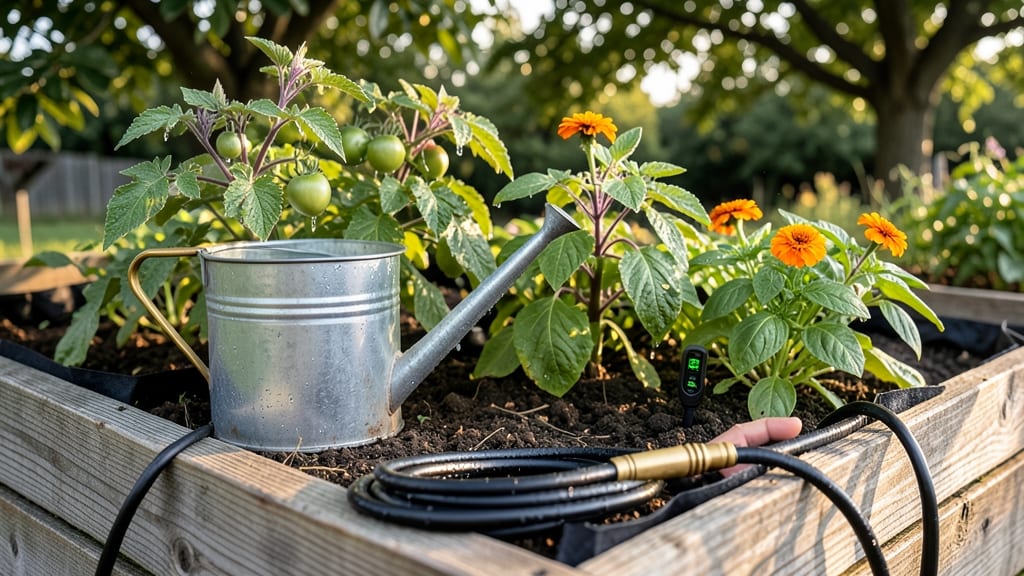
To water your garden the right way, you need to match your schedule to your soil type — because what works for clay won’t work for sand, and guessing gets plants in trouble.
Picture this: you’re out at dawn, watering your 🌱 garden plants like clockwork, only to find wilting leaves by afternoon. Or worse, muddy soil that’s drowning roots. The truth? Most gardeners overcomplicate it — when the real secret is simple science.
Your soil’s texture dictates how often you should water, and ignoring it means wasted effort (or lost plants).
In this guide, I’ll break down the exact watering intervals for clay, sandy, and loamy soils, plus how to tell when your garden is thirsty or soggy. You’ll also discover smart hacks to cut watering time in half while keeping your plants happier than ever.
Whether you’re a beginner with a few pots or a seasoned gardener tackling a full plot, these tips will help you strike the perfect moisture balance — no more guesswork, just thriving plants.
Watering frequency by soil type: a science-backed guide
Your garden's soil type determines how often you should water—getting this wrong means wasted effort or dead plants. Clay soil holds moisture for 3-4 days, while sandy soil dries out in just 24 hours.
Even loamy soil (the gold standard) needs different care based on season. Let’s break down the science so you can water like a pro.
Most gardeners guess their watering schedule, but soil composition changes everything. Clay soils compact and retain water, while sandy soils drain too quickly. Loamy soil—ideal for most plants—strikes a balance.
Before you adjust your routine, grab a handful of damp soil and squeeze: if it crumbles easily, it’s sandy; if it stays clumped, it’s clay. Still unsure? We’ll include a quick soil test checklist later.
Why soil matters: Roots suffocate in waterlogged clay, while sandy soil forces plants to drink constantly. Loamy soil, with its mix of sand, silt, and clay, gives roots the perfect moisture balance. Even organic matter (like compost) alters water retention—adding it to clay makes it lighter, while mixing it into sand improves its ability to hold water.
| Soil Type | Moisture Retention | Watering Frequency | Key Adjustments |
|---|---|---|---|
| Clay | High (3-4 days) | Every 3-4 days (deep water) | Add compost to improve drainage |
| Sandy | Low (1-2 days) | Daily (light, frequent water) | Mulch to retain moisture |
| Loamy | Moderate (2-3 days) | Every 2-3 days (1-2 inches) | Ideal for most plants |
| Silty | td style="padding: 10px;">Moderate-High (2-4 days)Every 2-4 days (check top inch) | Dries faster in heat |
For clay soil, deep watering every 3-4 days prevents surface drying while letting excess moisture drain. Use a soil probe or stick your finger 2 inches down—if it’s damp, wait. Sandy soils, however, need daily checks. Water lightly in the morning to mimic natural rainfall cycles and reduce runoff.
Loamy soil is the easiest to manage: water every 2-3 days with 1-2 inches of water per session. This mimics natural rainfall and encourages deep root growth. If your soil is mostly loamy, you’re already ahead!
For silty soil, monitor closely—it can shift from damp to bone-dry in hot weather. Adjust by watering more frequently in summer.
Seasonal shifts matter too. In summer, sandy soils may need watering twice daily (morning and evening), while clay soils might only need extra water every 5-6 days.
Winter slows evaporation, so reduce frequency by 30-50%. Always water in the early morning to cut down on fungal risks and evaporation.
Unsure about your soil? Grab a soil test kit (or DIY with vinegar and baking soda) and check for pH and texture.
Here’s a quick checklist: ☑️ Squeeze damp soil—does it crumble (sandy) or hold shape (clay)? ☑️ Add water to a sample—does it bead up (clay) or absorb fast (sandy)? ☑️ Mix in compost and observe drainage over 24 hours.
Pro tip: Mulch (2-3 inches of straw or wood chips) helps all soil types by locking in moisture and regulating temperature. For clay, it prevents cracking; for sand, it slows evaporation. Even a $10 bag of mulch can cut your watering needs by 30%.
Now that you know your soil’s quirks, adjust your routine. Start with the summary-table as your guide, then tweak based on plant types (succulents vs. tomatoes need different care). Happy watering—your garden will thank you! 💧
Signs your garden is overwatered or underwatered (and how to fix it)
Even with the best intentions, watering mistakes can silently sabotage your garden. Overwatering drowns roots, while underwatering stresses plants—both lead to poor growth or death. The key is learning to read your plants' signals before damage appears.
I’ve seen tomatoes rot from soggy soil and succulents shrivel from thirst, so let’s decode these warning signs together.
Start by checking the soil moisture with your finger. Stick it 1-2 inches deep—if it feels damp, hold off. If dry, it’s time to water.
But visual cues are even clearer: yellowing leaves, mushy stems, or white mold on soil scream overwatering, while crispy edges or drooping leaves that don’t perk up after watering mean thirst. Season matters too—summer heat demands more frequent watering, while winter often needs none.
How Often to Water Your Garden
- Water deeply 2-3x/week for established plants
- Check soil moisture before watering
- Water early morning to reduce evaporation
- Use mulch to retain moisture
- Water on a schedule without checking soil
- Let soil stay waterlogged for days
- Water at night (promotes fungal growth)
- Ignore plant-specific needs (e.g., succulents vs. lettuce)
For overwatered plants, the first step is to stop watering immediately and improve drainage. Amend heavy clay soil with compost or sand to help roots breathe. If mold appears, remove affected soil and treat with hydrogen peroxide (3%) to kill fungi.
Prune any mushy or discolored foliage to prevent spread. I once saved a pepper plant from root rot by repotting it in fresh, well-draining mix—now it’s thriving!
When plants are underwatered, focus on deep watering rather than light surface moisture. Aim for 1-2 inches of water per week, delivered slowly to encourage roots to grow deeper. A drip irrigation system or soaker hose works best, as they deliver water directly to the soil.
For container plants, check moisture daily—they dry out faster than in-ground gardens. If your herbs or veggies look wilted but don’t revive after watering, they may be past saving, but future plants will thank you for the lesson.
Seasonal shifts demand watering adjustments. In summer, water twice daily if temperatures exceed 90°F, focusing on early morning and late afternoon. Mulch with straw or wood chips to lock in moisture. Winter watering?
Almost never—most plants enter dormancy and need minimal moisture. Even evergreens like boxwoods only require water if the ground is bone-dry. Always match your watering routine to the current season and plant type.
Don’t guess—test your soil. Grab a handful and squeeze: if it crumbles, it’s dry; if it stays clumpy, it’s too wet. Invest in a moisture meter ($15 at garden centers) for precision.
I keep one by my hose, and it’s saved my tomato plants from both drought and rot. Remember, healthy roots mean healthy plants, and the right watering routine is your secret weapon.