
How To
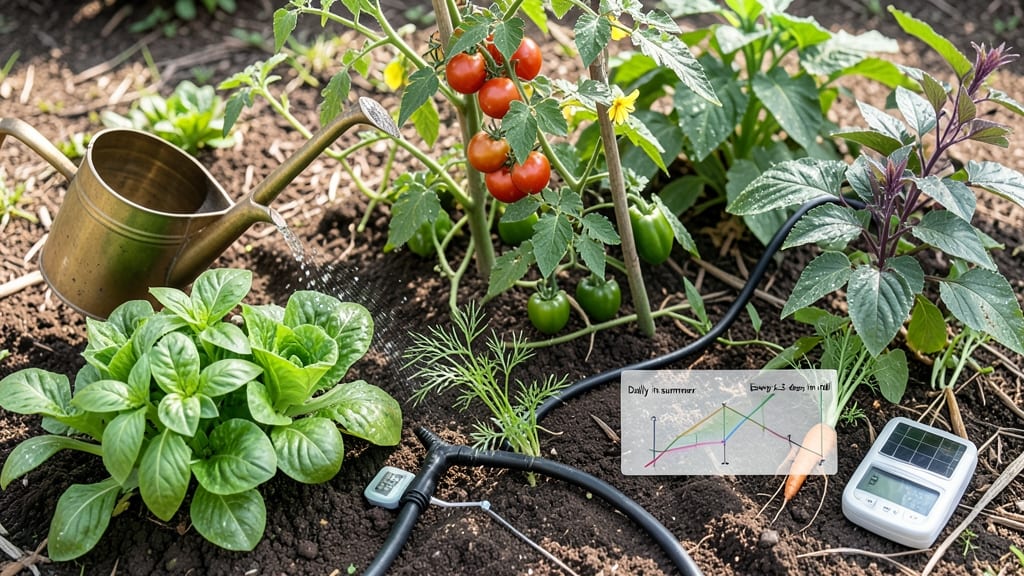
To water a vegetable garden properly, you need to match frequency with soil type, weather, and plant needs—because overdoing it wastes water while underwatering stunts growth.
Picture this: you’ve just planted your 🥬 vegetable garden in Zone 6a, full of anticipation, only to watch your seedlings wilt by noon. Or worse, you drown them because you assumed "more water = better," only to see mold creep in.
The truth? Most gardeners guess—and that’s how you end up with sad, stressed plants or a soggy mess.
Here’s the game-changer: a simple soil check that tells you exactly when to water, without wasting a drop. I’ll walk you through the 3-step method I use to read my soil like a book, plus how to adjust for sandy vs. clay soil and seasonal shifts.
No more guesswork—just a thriving garden that knows exactly what it needs.
By the end, you’ll know not just how often to water, but why your plants are thirsty—or not—and how to tweak your routine for efficiency, healthier roots, and a harvest that’s the envy of the neighborhood.
The 3-Step soil test method to determine watering frequency
Guessing how often to water your vegetable garden can lead to overwatering (wasting precious resources) or underwatering (stressed plants). Instead, I’ve perfected a 3-step soil test method that removes the guesswork.
This approach combines finger depth checks, visual soil analysis, and weight-based moisture tests to tailor watering to your garden’s unique needs—whether you’ve got sandy soil or heavy clay. The best part? It works year-round with seasonal adjustments.
Start by testing your soil’s moisture retention in the morning before watering. Sandy soil drains quickly, while clay holds moisture longer. My method accounts for both extremes, ensuring your tomatoes, lettuce, and herbs get just the right amount of hydration. No more soggy roots or wilting leaves!
Here’s how to put it into practice with zero equipment (just your hands and eyes):
Stick your finger 1-2 inches deep into the soil. If it feels dry at this level, it’s time to water. For sandy soil, check deeper (2-3 inches) since it drains faster. For clay soil, 1 inch is enough—it stays moist longer.
Grab a handful of soil and squeeze it. If it crumbles easily, it’s dry. If it holds shape but breaks when poked, it’s perfectly moist. If it sticks together like clay, it’s overwatered. Adjust your schedule based on this simple test.
Lift a garden trowel full of soil—dry soil feels light, while moist soil feels heavier. Track this over a week to spot patterns. In summer, you’ll water more often; in winter, less. This method teaches you your soil’s unique water-holding capacity.
💧 Pro Tip: Mulch after watering to lock in moisture and reduce frequency!
Seasonal adjustments are critical. In summer heat, I water my garden every 2-3 days in the morning, while in winter, once a week suffices. The key is consistency—stick to your soil’s signals, not a rigid schedule.
For example, leafy greens like lettuce need frequent, shallow watering, while root vegetables like carrots prefer deep, infrequent soaks.
Don’t forget to account for rainfall. If you’ve had 1 inch of rain, skip your watering day. Use a rain gauge or a simple tuna can buried in the soil to measure precipitation. This tweak saves water and prevents root rot.
For container gardens, the rules shift slightly. Potted plants dry out faster, so I check the soil daily in summer. A moisture meter (or your finger) is your best friend here. Pro tip: Use self-watering pots to automate the process and maintain even moisture.
Over time, you’ll develop an intuition for your garden’s needs. But until then, rely on these three foolproof steps to keep your vegetables thriving. The result? Healthier plants, bigger yields, and zero wasted water—a win for your wallet and the planet.
Ready to put this into action? Grab a notebook, jot down your soil’s behavior, and watch your garden respond. Your tomatoes will thank you with juicier fruit, and your basil will stay lush and fragrant all season.
Watering schedules by plant type: tomatoes vs. lettuce vs. herbs
Not all vegetables thirst the same way—tomatoes demand deep, frequent drinks, while lettuce prefers shallow sips, and herbs strike a balance. Your watering schedule should match each plant’s root depth, drought tolerance, and growth stage.
For example, a tomato plant with roots stretching 18 inches deep needs a 2-inch-deep soak 2-3 times per week in summer, while lettuce with shallow roots only needs 1 inch of water every 2-3 days. Herbs like basil fall somewhere in between, thriving on consistent moisture without soggy soil.
Mulching is your secret weapon to stretch watering intervals. A 2-3 inch layer of straw or wood chips locks in moisture, reducing evaporation by up to 30%. For tomatoes, mulch keeps roots cool and hydrated, while lettuce benefits from mulch to prevent rapid moisture loss in hot afternoons.
Even herbs like parsley appreciate mulch to maintain even soil moisture. Without mulch, you’ll water 20-30% more—a big difference in drought-prone areas.
🚨 Critical Tip: Always water in the early morning (6-9 AM) to minimize fungal risks. Tomatoes hate wet leaves at night, while lettuce can develop slimy mold if overwatered. Herbs like cilantro prefer morning watering to avoid leaf scorch from afternoon evaporation.
Adjust your schedule based on weather and soil type. In clay soil, which holds moisture longer, reduce watering by 20-30% compared to sandy soil.
Use a moisture meter or the finger test (insert your finger 2 inches deep—if dry, water). Tomatoes in containers dry out faster, so check soil daily during heatwaves.
For herbs like basil, consistency is key—skipping watering causes bitter flavors, while overwatering leads to yellow leaves. Lettuce, on the other hand, bolts (goes to seed) if stressed, so keep soil evenly moist. Tomatoes need extra attention during fruit set (when flowers appear), as they require 1-1.5 inches of water per week to prevent blossom end rot.
Pro tip: Group plants with similar water needs together in your garden layout. Place tomatoes near peppers and herbs like oregano, while lettuce and spinach thrive in a separate, shadier spot with more frequent watering.
This zone-based approach cuts your watering time in half and ensures no plant gets neglected.
🌱 Remember, less frequent but deeper watering encourages stronger root systems. Aim for 1-2 inches of water per session and always water at the base of the plant to avoid wetting leaves—this simple habit reduces disease risk by up to 40%.