
Size
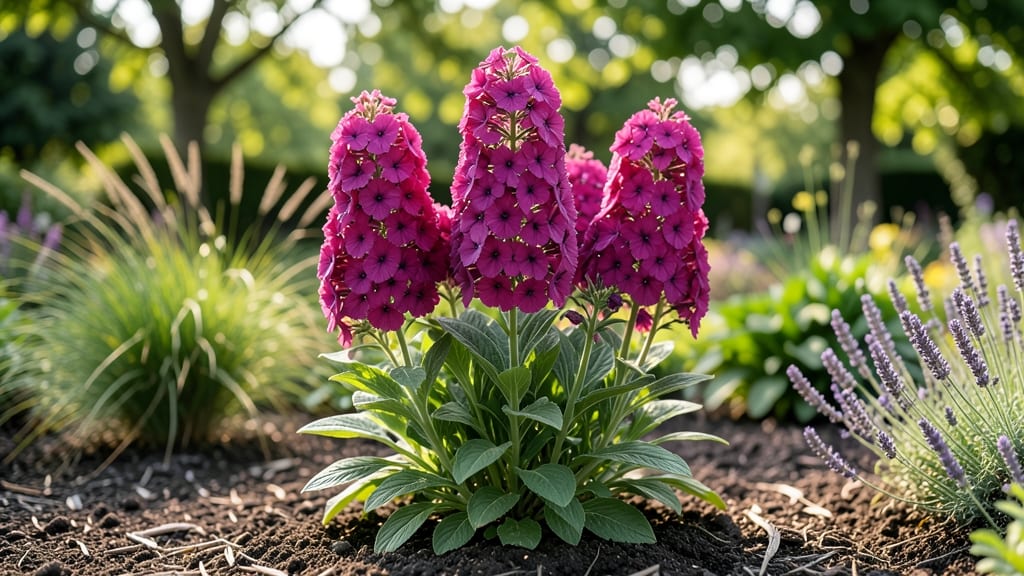
Garden phlox grow between 1 and 4 feet tall, depending on the variety, with some reaching nearly waist-high while dwarf types stay compact for borders 🌸.
If you’re dreaming of vibrant summer blooms but worried about phlox overpowering your garden beds, understanding their mature heights is key to perfect placement—and stunning displays.
Taller varieties like 'David' can hit 4 feet, making them perfect backdrops, while dwarf types like 'Lipstick' stay under 2 feet, ideal for edging or containers.
Below, I break down exact height ranges by type, spacing tips to prevent overcrowding, and how to choose phlox sizes for your garden’s layout.


Garden phlox height guide by variety: dwarf to giant sizes explained
If you love the romantic charm of garden phlox but worry about their height dominating your garden, you’re not alone. These summer bloomers range from compact dwarfs to towering giants, making them incredibly versatile.
Knowing their mature sizes helps you plan perfect spacing and create showstopping displays without overcrowding your beds. Let’s explore how tall garden phlox get by variety, so you can choose the perfect fit for your space.
Garden phlox (Phlox paniculata) typically mature between 12 to 48 inches, but their growth habits vary widely. Dwarf varieties stay under 2 feet, while giant cultivars can reach 4 feet or taller. The key to stunning phlox gardens?
Matching their height to your design goals—whether you want low borders, mid-height accents, or dramatic backdrops. Below, we break down popular varieties by size, so you can pick with confidence.
| Variety | Mature Height | Spacing Needs | Best For |
|---|---|---|---|
| 'David' | 12–18 inches | 12–18 inches apart | Borders, containers |
| 'Lipstick' | 18–24 inches | 18–24 inches apart | Front of beds, edging |
| 'Blue Paradise' | 24–36 inches | 24–30 inches apart | Mid-height beds |
| 'White Delight' | 30–36 inches | 30–36 inches apart | Back of borders |
| 'Jeana' | 36–48 inches | 36–42 inches apart | Cut flowers, backdrops |
Dwarf phlox like 'David' and 'Lipstick' are perfect for small gardens or container plantings. Their compact stature (12–24 inches) makes them ideal for edging pathways or spilling over pots. These varieties thrive in partial shade and require minimal spacing, making them low-maintenance choices for busy gardeners.
If you’re working with limited space, these are your best bets for colorful impact without the bulk.
For mid-height drama, varieties like 'Blue Paradise' and 'White Delight' strike the perfect balance. Growing 24 to 36 inches tall, they add height and texture to mixed borders while staying manageable.
These cultivars love full sun and well-draining soil, so they’re ideal for sunny garden beds where you want bold summer color. Space them 24–36 inches apart to allow airflow and prevent disease.
If you’re aiming for grand statements, taller phlox like 'Jeana' reach 3 to 4 feet, making them stars in cut-flower arrangements or backdrop plantings. Their tall, sturdy stems support heavy blooms, perfect for bouquets or garden focal points.
These varieties need ample space (36–42 inches apart) to avoid flopping stems and overcrowding. Pair them with tall grasses or perennials like black-eyed Susans for a dramatic summer display.
Pro tip: Stake taller varieties early in the season to prevent wind damage or bending stems. Use soft ties or cage supports to keep them upright without restricting growth. This simple step ensures your giant phlox stay show-ready all summer long.
For dwarf and semi-dwarf types, staking is usually unnecessary, but a light mulch layer helps retain moisture and suppress weeds.
When choosing phlox heights, consider your garden’s layout and sun exposure. Dwarf varieties shine in shadier spots, while tall phlox
Optimal spacing and care for phlox by height range
Getting your phlox spacing right is the secret to lush, long-lasting blooms without overcrowding. Tall varieties need room to breathe, while dwarf types thrive in tight clusters—each height range has unique care needs.
Let’s break down how to space and maintain phlox based on their mature size to ensure a thriving garden display.
Your phlox care routine should adapt to height: taller types need deeper soil prep and sturdier stems, while dwarf varieties benefit from frequent deadheading. Sunlight exposure also shifts slightly depending on height—taller phlox often need morning sun to prevent flopping.
I’ll walk you through everything you need to know for each category.
Phlox Height Categories & Care Essentials
- Dwarf Phlox (12–18 inches):
- Spacing: 12–18 inches apart
- Sunlight: 4–6 hours daily
- Pruning: Deadhead after blooming
- Semi-Dwarf Phlox (18–24 inches):
- Spacing: 18–24 inches apart
- Sunlight: 6 hours daily
- Pruning: Cut back by ⅓ after flowering
- Standard Phlox (24–36 inches):
- Spacing: 24–36 inches apart
- Sunlight: Full sun (6+ hours)
- Pruning: Stake tall varieties; prune in early spring
- Tall Phlox (36–48 inches):
- Spacing: 36+ inches apart
- Sunlight: Full sun with morning shade
- Pruning: Heavy pruning in late winter; support stems
For dwarf phlox, I recommend planting them in groups of 3–5 for a fuller look, especially along borders or in containers. They’re perfect for edging pathways or filling gaps between larger perennials. Since they’re shorter, they can handle slightly more shade, but avoid deep shadows to prevent leggy growth.
When caring for tall phlox varieties, focus on strong stems by adding compost to the soil before planting. These giants need full sun exposure to prevent flopping, but their roots stay cooler in morning light.
After the first flush of blooms, prune back by half to encourage a second wave of flowers—this works especially well for varieties like 'David' or 'Lipstick.'
One of my favorite tricks for standard-height phlox is to interplant them with shorter companions like salvia or coreopsis. This creates a layered effect while keeping the taller phlox from overwhelming the bed.
Always water at the base, avoiding wetting the foliage to prevent powdery mildew—a common issue in crowded beds.
Remember, proper spacing isn’t just about aesthetics—it’s about airflow and disease prevention. Crowded phlox attract slugs and fungal spores, so give them room to thrive. With the right care, your phlox will reward you with months of vibrant blooms and a garden that’s the talk of the neighborhood! 🌸