
Size
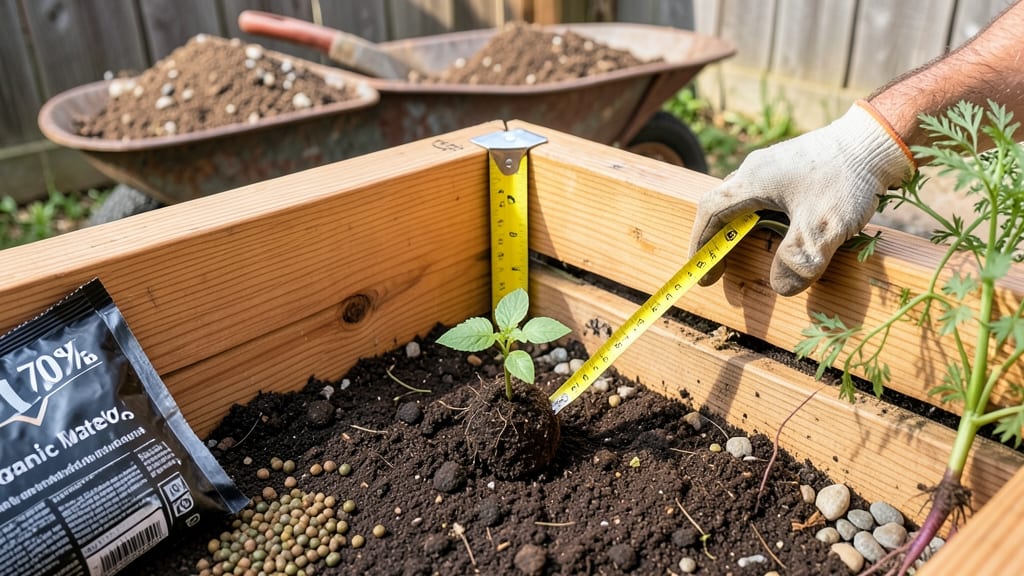
To determine how tall your raised garden should be, start with 6 to 12 inches for most vegetables and herbs to balance root space and prevent soil compaction. Deeper beds (12–18 inches) are ideal for root vegetables like carrots or potatoes, while taller walls (18+ inches) work best for shrubs or small trees.
Height isn't just about space—it's about creating the perfect environment for your plants. 🌱 Shallower beds (6 inches) work for leafy greens like lettuce, while deeper beds (12–18 inches) give root crops room to grow without hitting hardpan soil.
I've found that taller beds also improve drainage and reduce weed competition, which is especially helpful in wet climates. Plus, the extra height makes gardening easier on your back!
Another key factor is material choice. Wooden beds break down faster than metal or composite, so if you're planning a permanent setup, consider 8–12 inches to balance durability and plant needs. Pro tip: Layer your soil with compost-rich topsoil and drainage materials to maximize growing space efficiently.
💡 In This Article
- Root Depth Requirements for Different Plants
- Building the Perfect Raised Garden Bed
Root depth requirements for different plants
Plant roots aren't just passive anchors—they're dynamic systems that actively seek nutrients, water, and stability. Shallow-rooted plants like lettuce, spinach, and herbs (such as basil or thyme) thrive in beds just 6 inches deep because their roots spread horizontally rather than vertically.
These plants typically develop root systems that extend 12–18 inches wide but rarely grow deeper than 6 inches. The key here is soil aeration: shallow beds prevent compaction, allowing roots to access oxygen more easily.
For root vegetables like carrots, parsnips, or potatoes, depth becomes critical. These crops need 12–18 inches of soil to develop fully—carrots, for example, can grow roots up to 16 inches long, while potatoes require 10–12 inches to produce edible tubers.
The deeper soil also helps prevent "forking" (a common carrot deformity caused by hitting obstacles) and ensures the plant can store energy in its roots. 🌱 What's fascinating is how soil temperature varies with depth: deeper beds stay cooler in summer and warmer in winter, which can actually improve root development for cold-hardy crops.
Taller beds (18+ inches) open up possibilities for perennials, shrubs, or even small fruit trees. Blueberries, for instance, have shallow but extensive root systems that benefit from 12–18 inches of soil, but their woody stems need extra space to establish.
The added height also creates a microclimate—soil at 12 inches depth can be 5–10°F warmer in winter than surface soil, which is crucial for plants like asparagus that need consistent warmth to grow.
Here's where drainage comes into play: taller beds naturally improve water flow, reducing the risk of root rot in heavy clay soils. I've noticed that in my own garden, 12-inch beds with proper layering (gravel at the bottom, followed by compost-rich soil) drain 30–50% faster than ground-level plots.
This is especially valuable in regions with frequent rainfall or poor soil structure.
Don't overlook the impact of bed height on nutrient distribution. Deeper beds allow you to create distinct soil layers—topsoil for roots, compost for microbes, and drainage materials at the bottom. This stratification mimics natural forest ecosystems where different layers support different life forms.
For example, earthworms thrive in the upper 6 inches where organic matter is abundant, while deeper roots access nutrients leached downward over time.
The trade-off? Taller beds require more soil and materials, which can increase initial costs. But the payoff is healthier plants with fewer pests (since deeper roots access water during droughts) and better yields.
For example, potatoes in 18-inch beds produce 20–30% more tubers than those in 6-inch beds due to reduced competition for nutrients.