
Landscaping
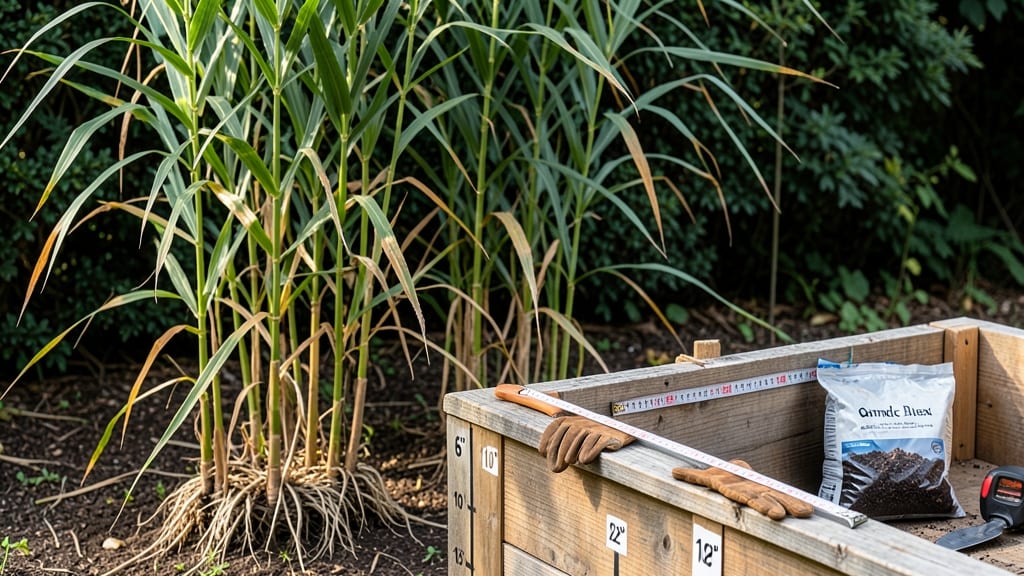
How tall to make raised garden beds is the key to happy plants and happy gardeners—because 6 inches of soil won’t grow carrots, and 3 feet might leave you straining to reach your tomatoes.
Picture this: you’ve spent weeks prepping soil, selecting seeds, and dreaming of that first harvest—only to realize your beds are too shallow for deep-rooted veggies or too tall for comfortable gardening.
The good news? There’s a sweet spot that balances root depth, drainage, and ergonomics, and I’ll show you how to find it.
Whether you’re growing herbs, sprawling zucchini, or accessibility-friendly beds, the height you choose affects everything from soil retention to how much you enjoy weeding. We’ll cover the science behind root zones, drainage tricks for taller beds, and how to adjust for kids, wheelchairs, or just your own back.
By the end, you’ll know exactly how tall to build your 🌱 raised garden beds—plus material tips to keep costs (and your knees) happy while maximizing every inch of growing space.


Optimal raised garden bed heights based on root depth requirements
When building raised garden beds, height isn't one-size-fits-all. The root depth of your plants determines how deep your bed needs to be. Shallow-rooted herbs like basil and thyme thrive in beds just 6-12 inches deep, while deep-rooted vegetables like carrots or potatoes need 12-18 inches or more.
Getting this right means healthier plants and less wasted space.
Most standard raised beds range from 6 to 18 inches tall, but the ideal height depends on what you're growing. For example, tomatoes and peppers need 12-18 inches of soil depth, while leafy greens like lettuce or spinach can happily grow in just 6-10 inches.
Let's break down the science so you can choose the perfect height for your garden.
Why root depth matters: Plants with deep roots need space to spread downward, while shallow-rooted plants focus on spreading horizontally. A bed that's too shallow will stunt growth or cause roots to compete for nutrients. Conversely, beds that are too tall can dry out faster and become harder to maintain. Balance is key!
Here’s a quick reference to help you decide based on your plant types:
| Plant Type | Root Depth | Recommended Bed Height | Notes |
|---|---|---|---|
| Herbs (basil, parsley, thyme) | 6-12 inches | 6-12 inches | Shallow roots; great for small beds. |
| Leafy Greens (lettuce, spinach, kale) | 6-10 inches | 6-12 inches | Fast-growing; rotate crops to maximize space. |
| Root Vegetables (carrots, beets, radishes) | 12-18 inches | 12-18 inches | Loose, well-draining soil prevents forking. |
| Fruiting Plants (tomatoes, peppers, eggplant) | 12-24 inches | 12-18 inches | Deeper beds support larger root systems. |
| Perennials (asparagus, rhubarb, strawberries) | 18-24 inches | 18-24 inches | Long-lived plants need deep, fertile soil. |
| Flowers (marigolds, zinnias, sunflowers) | 6-12 inches | 6-12 inches | Most annuals thrive in shallow beds. |
For mixed gardens, aim for 12-18 inches to accommodate both shallow and deep-rooted plants. This height gives you flexibility to grow almost anything without compromising root space. If you’re growing heavy feeders like corn or squash, consider 24-inch beds to support their vigorous growth.
Another factor to consider is accessibility. A bed that’s too tall (over 24 inches) can be difficult to reach into for weeding or harvesting. I’ve found that 12-18 inches strikes the perfect balance between root depth and ease of maintenance.
Plus, it’s easier to fill with soil and amendments without breaking the bank.
If you’re layering your beds (e.g., with straw, leaves, or compost), you can sometimes get away with slightly shallower beds. The organic matter breaks down over time, adding depth naturally.
However, always start with the minimum recommended height for your plants to ensure they have enough space to establish strong roots right from the start.
Pro tip: Test your soil depth before planting. Use a ruler or measuring tape to check how far down you can comfortably dig. If you’re unsure, err on the side of extra depth.
You can always add more soil later, but you can’t take it away once it’s in the ground!
Remember, drainage is just as important as depth. Taller beds drain faster, which is great for sandy soils but may require extra watering
How raised garden bed height affects drainage and soil quality
When building raised garden beds, height isn't just about convenience—it directly impacts how well your soil drains and retains nutrients. Taller beds improve drainage by allowing excess water to escape more quickly, while deeper soil layers help roots access moisture and nutrients during dry spells.
The right balance prevents both waterlogging and drought stress in your plants.
Most gardeners aim for 6 to 12 inches of soil depth, but this varies based on your climate and plant types. In heavy rainfall areas, taller beds (18+ inches) prevent erosion and reduce fungal diseases by keeping roots drier.
Meanwhile, arid regions benefit from deeper beds to store moisture for longer periods.
⚠️ WARNING: Too Much Height Can Backfire ⚠️
- Poor soil aeration in lower layers due to compaction
- Uneven moisture distribution—top soil dries faster than bottom
- Higher material costs without proportional benefits
Soil quality also suffers if your bed is too shallow. Deep-rooted plants like asparagus or potatoes need 18+ inches of soil to thrive, while shallow-rooted herbs like basil or thyme do well in just 6-8 inches.
The key is creating a loose, well-amended soil profile—mixing compost, perlite, and coconut coir improves aeration and water retention at every height level.
For best drainage, avoid layering heavy materials like untreated wood chips at the bottom. Instead, use a 3-inch drainage layer of gravel or coarse sand only if your bed sits in a naturally soggy area.
Most raised beds don’t need this—proper soil composition (30% compost, 30% topsoil, 30% perlite, 10% vermiculite) creates natural drainage channels as roots grow.
Don’t forget about erosion control. Taller beds (18"+) need sturdy edging to prevent soil spillage during watering. Use landscape fabric under beds to block weeds while allowing water to penetrate. For windy climates, add mulch or straw bales around the perimeter to stabilize soil and reduce evaporation.
To test your bed’s drainage, dig a 6-inch hole, fill it with water, and time how long it takes to drain. If it takes more than 30 minutes, your bed needs better aeration (add compost or sand).
For nutrient retention, top-dress with worm castings or fish emulsion every 4-6 weeks—especially in taller beds where nutrients leach faster.