
How To
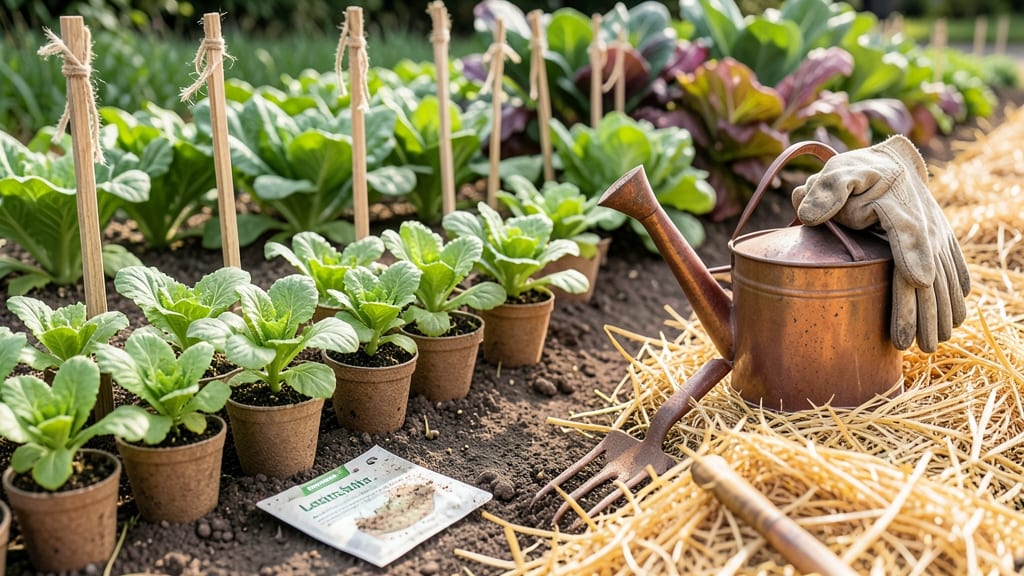
Growing a lettuce garden that thrives fast and delivers crisp, homegrown leaves is easier than you think—especially when you pick the right varieties and spacing tricks.
Picture this: 30 days from seed to salad, with minimal effort. That’s the magic of quick-germinating lettuce like 'Black Seeded Simpson' or 'Buttercrunch,' which skip the slow start and bolt-resistant traits that keep your harvests going all season long.
But here’s the catch: spacing too close means competing plants, while leaving too much room wastes precious garden space. The key is striking that balance—8–12 inches for loose-leaf types, 12–18 inches for head lettuce—plus soil that’s rich in organic matter to prevent bolting and keep your leaves tender.
In this guide, I’ll walk you through the fastest varieties to plant, the perfect spacing for maximum yield, and the simple tricks to avoid common problems like pests or heat stress. Ready to turn your garden into a salad bar?


Fast-germinating lettuce varieties and when to plant them
If you're eager to enjoy homegrown lettuce, choosing fast-germinating varieties is your best bet. Some types sprout in just 3-7 days and reach harvestable size in 30-45 days, perfect for impatient gardeners like me.
My favorite quick-start varieties include 'Black Seeded Simpson', which germinates in 5-7 days, and 'Buttercrunch', ready in 40 days. These varieties thrive in cooler weather, making them ideal for spring and fall plantings.
Timing your lettuce plantings is key to avoiding the bitter bolting that happens when heat triggers flowering. In most climates, aim to plant 4-6 weeks before your last frost for spring harvests and 8-10 weeks before your first frost for fall crops.
For example, in USDA Zone 6a, that means starting seeds indoors in March for spring or direct-sowing in August for fall.
| Variety | Germination Time | Days to Harvest | Best Planting Window | Notes |
|---|---|---|---|---|
| Black Seeded Simpson | 5-7 days | 35-45 days | Spring/Fall | Cold-hardy, great for succession |
| Buttercrunch | 6-8 days | 40-50 days | Early Spring/Late Fall | Sweet, buttery flavor |
| Salad Bowl | 4-6 days | 30-40 days | Year-round (with shade) | Heat-tolerant, loose-leaf |
| Arctic King | 7-10 days | 50-60 days | Spring/Fall | Crisp heads, cold-resistant |
| Merlot | 5-7 days | 35-45 days | Spring/Fall | Red-tinged, heat-tolerant |
For a continuous lettuce supply, use succession planting every 2 weeks. This method works especially well in containers or raised beds, where you can stagger plantings. For example, start your first batch in early March, then follow up with new seeds every 10-14 days until mid-May.
This ensures you always have fresh lettuce without overwhelming your garden space.
If you're gardening in hotter climates, opt for shade-tolerant varieties like 'Salad Bowl' or 'Merlot'. These can handle light afternoon shade and are less likely to bolt.
I've had great success growing these under a 30% shade cloth during summer months, extending my harvest window by 2-3 months compared to traditional varieties.
Don't forget about fall lettuce plantings—they're often overlooked but just as rewarding. In Zone 6a, I start my fall lettuce in late July for a harvest in October-November.
The cooler temperatures after summer mean faster germination and fewer pest issues, making it a low-stress way to enjoy fresh greens.
To maximize your lettuce yield, pair fast varieties with slow-bolting companions like radishes or carrots. Radishes mature quickly and can be harvested before they compete with lettuce for space. This interplanting strategy keeps your garden productive year-round while minimizing wasted space.
One of my biggest lessons?
Perfect lettuce garden spacing and soil requirements for maximum yield
Getting your lettuce garden spacing right is the secret to avoiding crowded, bitter leaves and maximizing your harvest. I’ve learned that loose-leaf varieties like 'Black Seeded Simpson' need 8–12 inches apart, while head lettuce like 'Romaine' thrive with 12–18 inches of space.
This prevents competition for nutrients and sunlight, ensuring tender, crisp leaves instead of tough, stringy ones.
Beyond spacing, your soil pH plays a critical role. Lettuce prefers a slightly acidic to neutral range of 6.0–7.0. I always test my soil before planting—if it’s too alkaline, a sprinkle of sulfur or peat moss can adjust it naturally.
Organic matter like compost or well-rotted manure also improves drainage and moisture retention, which is key for preventing bolting (when lettuce flowers prematurely).
Here’s how to balance spacing, soil prep, and variety needs for a thriving garden:
| Lettuce Type | Spacing (inches) | Soil pH Ideal | Organic Amendment | Bolting Risk |
|---|---|---|---|---|
| Loose-Leaf (e.g., 'Salad Bowl') | 8–12 | 6.0–6.8 | Compost + worm castings | Moderate (heat-sensitive) |
| Butterhead (e.g., 'Buttercrunch') | 12–15 | 6.2–7.0 | Peat moss + aged manure | High (avoid summer) |
| Romaine (e.g., 'Parris Island') | 12–18 | 6.5–7.0 | Compost + bone meal | Low (heat-tolerant) |
| Leaf Lettuce (e.g., 'Oakleaf') | 6–10 | 6.0–6.5 | Leaf mold + compost | High (quick to bolt) |
For container gardening, I’ve found that 5-gallon pots work well for 2–3 loose-leaf plants, while raised beds allow tighter spacing (6–8 inches) if you’re interplanting with radishes or carrots. The key is to avoid overcrowding—lettuce roots spread wider than you’d think!
To prevent bolting, I always plant shade-tolerant varieties in summer and use 30% shade cloth during hot afternoons. Mulching with straw or grass clippings keeps soil cool and moist, which is especially critical in USDA Zone 6a where summer heat can trigger flowering.
A light application of fish emulsion every 4–6 weeks also encourages lush growth without overfeeding.
Remember, succession planting every 2–3 weeks ensures a continuous harvest. By following these spacing and soil guidelines, you’ll avoid the heartbreak of bitter, bolting lettuce and enjoy crisp, homegrown greens all season long. Happy gardening! 🥬