
How To
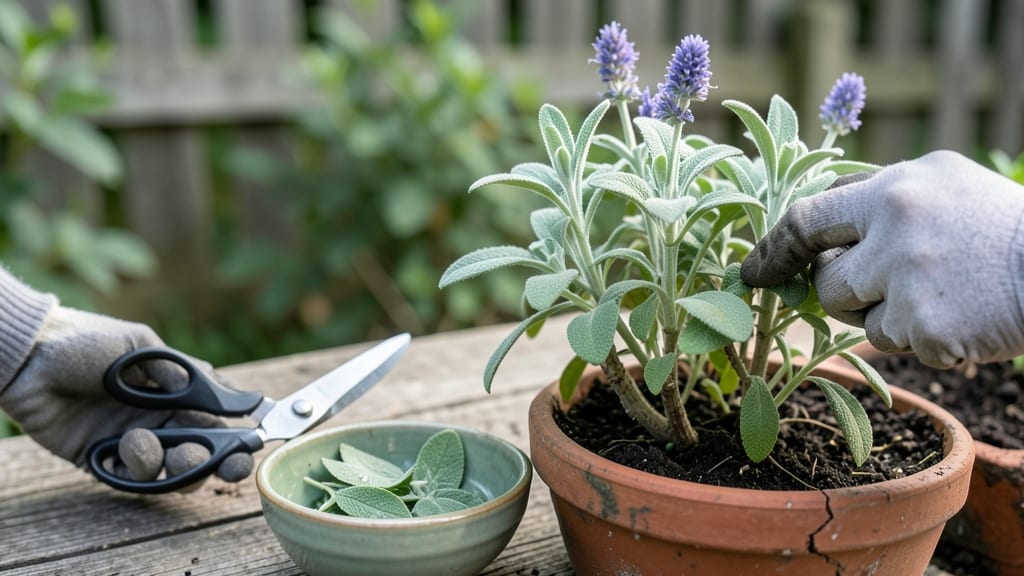
Harvesting garden sage the right way means cutting stems just above a leaf node to keep your plant thriving and packed with flavor 🌿—and timing is everything.
Ever snipped sage leaves only to watch your plant look ragged or lose its aroma? That’s usually a sign you missed the best window: before flowering, when the leaves are fully developed but still tender.
Get it right, and you’ll encourage bushier growth while keeping your kitchen stocked with the freshest herb.
This guide walks you through the optimal harvest times, the tools you’ll need, and how to store your bounty so it stays vibrant for months. Whether you’re drying bundles for winter or freezing sprigs for quick cooking, these steps ensure your sage keeps giving—year after year.
You’ll also discover how often to harvest without stressing the plant, which parts to cut for the best flavor, and a few pro tricks to revive wilted stems or revive a leggy plant. Ready to turn your garden into a flavor factory?


Best time to harvest garden sage for maximum flavor and growth
Timing is everything when harvesting garden sage—cutting too early or too late can dull its flavor and stress your plant. The ideal harvest window spans from late spring through early fall, when the plant is actively growing but hasn’t yet flowered.
This ensures peak essential oils and robust flavor, which fade once the plant starts flowering.
Sage thrives in USDA Zone 6a and beyond, with the best harvests typically occurring between June and September. However, my experience shows that early morning harvests yield the freshest leaves, as dew has evaporated but the sun hasn’t yet sapped their moisture.
Always prioritize harvesting before flowering—this is when the plant directs its energy into producing seeds rather than flavorful leaves.
🌿
In spring, focus on harvesting younger stems with tender leaves, as these deliver the mildest, freshest flavor. This is also when your sage plant is most vulnerable to over-harvesting, so limit cuts to 20-30% of the plant to encourage bushier growth.
I’ve found that pinching back new growth in spring promotes denser foliage later in the season.
Summer is the peak harvest season for sage, when the plant’s essential oils are at their strongest. Aim to harvest every 4-6 weeks during this period, always cutting just above a leaf node to encourage new growth.
The woody stems you’ll encounter in summer are normal—just avoid cutting into the hard, brown wood at the center of older stems, as this won’t regrow.
Fall harvesting should be light and strategic, as the plant begins preparing for dormancy. The leaves will taste richer and slightly bitter in fall, making them perfect for long-term storage or drying.
Stop harvesting entirely by late October to allow the plant to harden off before winter, which helps it survive colder months.
One critical mistake many gardeners make is harvesting sage after flowering. Once your plant produces buds, its energy shifts from leaf production to seed development, causing the leaves to become bitter and less aromatic.
I’ve seen this firsthand—sage harvested post-flowering loses up to 40% of its flavor compared to pre-flowering harvests.
To maintain a healthy sage plant, never remove more than one-third of the plant in a single harvest. This rule applies year-round but is especially important in spring and early summer when the plant is establishing its root system.
Always use clean, sharp pruners to make clean cuts, which prevents disease and promotes faster healing.
🌳
Pro tip: If your sage plant isn’t flowering by mid-summer, it may be overcrowded or lacking sunlight. In this case, consider dividing the plant or moving it to a sunnier location.
Well-lit sage plants produce more flavorful leaves and flower reliably, giving you a clear signal when to stop harvesting for the season.
Step-by-step sage cutting techniques for healthy plants
Harvesting your garden sage properly isn’t just about getting fresh leaves—it’s about keeping your plant healthy and productive. When done right, regular pruning encourages bushier growth and prevents woody stems.
I’ve learned that cutting at the correct nodes and using the right tools makes all the difference. Let’s dive into the techniques that’ll keep your sage thriving for years.
Before you grab your shears, know that sage responds best to gentle, frequent pruning. Unlike aggressive cutting, which can stress the plant, light trims every 4-6 weeks promote new growth.
Focus on the outer stems first, as these tend to grow leggy. Always cut just above a leaf node—this is where new branches will sprout, giving you that lush, full appearance.
⚠️ callout-warning
Cutting sage after flowering drains its energy and reduces next year’s yield. Flower buds signal the plant to focus on seed production, not leaf growth. Always harvest before flowers appear—typically in late spring to early summer—to maintain flavor and vigor.
✂️ Pro Tip: Use clean, sharp pruners or scissors to avoid crushing stems. Dull tools cause jagged cuts, which invite disease.
The right tools make all the difference. For smaller stems, I recommend sharp scissors or pruning shears—they give you precision without damaging the plant. For thicker stems, a bypass pruner is ideal.
Avoid tearing leaves by cutting at a 45-degree angle just above a leaf node. This small detail helps water run off better and reduces rot risk.
To encourage bushier sage plants, practice pinching young stems when they’re about 4-6 inches tall. Simply pinch off the top set of leaves with your fingers. This triggers the plant to branch out, creating a fuller shape.
Repeat this every 2-3 weeks during the growing season. Over time, your sage will develop a compact, vibrant bush instead of a single leggy stem.
If your sage looks woody or overgrown, don’t panic—it’s still salvageable! Start by removing any dead or yellowing stems at the base. Then, trim back overly long branches by about one-third to encourage new growth.
Sage is surprisingly resilient, and even a hard prune in early spring will coax fresh foliage by summer.
Finally, never harvest more than one-third of the plant at once. Over-harvesting weakens sage and can leave it vulnerable to pests or disease. Space out your cuts, and always leave enough leaves for the plant to photosynthesize.
With these techniques, your garden sage will stay lush, flavorful, and productive for seasons to come.