
How To
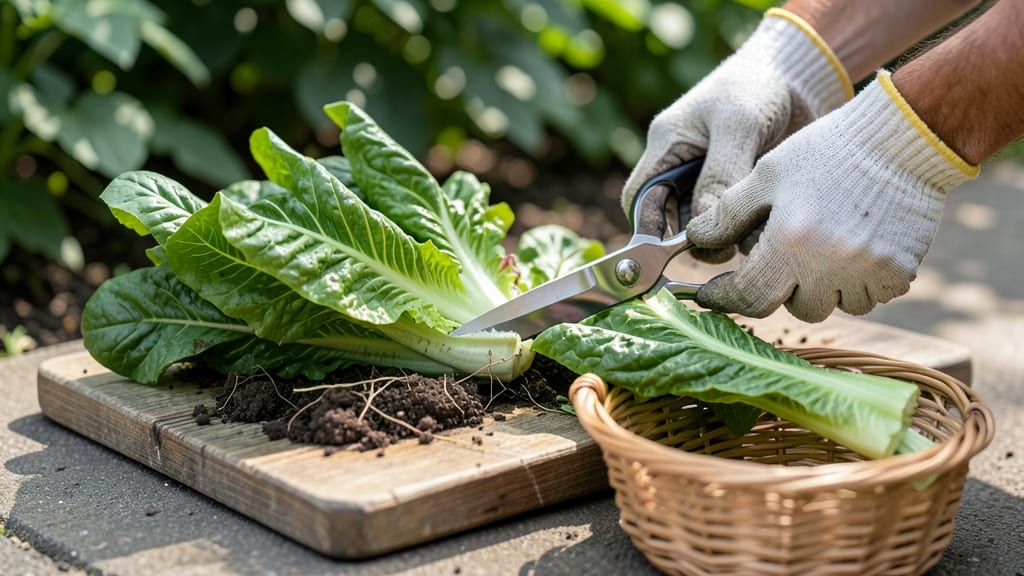
To harvest romaine lettuce from your garden at the perfect time means crisp stems and a steady supply all season long 🥬 — and it starts with knowing when to reach for those knives.
Romaine lettuce thrives in home gardens but loses its crisp texture and bolt resistance if harvested at the wrong time—here’s how to pick it at peak perfection.
Most gardeners wait too long, ending up with bitter, tough leaves or worse, bolting plants that send up flower stalks. The secret? Harvesting when the outer leaves hit 6-8 inches and still feel tender, while the inner leaves stay compact for regrowth.
In this guide, I’ll walk you through exactly when to harvest, the best tools to use, and how to cut (not pull) for continuous harvests—so you can enjoy fresh romaine straight from your garden for weeks.


When to harvest romaine lettuce for maximum crispness and bolt resistance
Timing your romaine lettuce harvest correctly ensures crisp stems and prevents bolting—the bitter flowering stage that ruins texture. Most varieties reach harvest readiness in 50-60 days from planting, but leaf size and weather conditions play critical roles.
Harvesting too early means underdeveloped flavor, while waiting too long risks heat stress and bolt formation.
For maximum crispness, focus on outer leaves first—they mature slightly earlier than inner leaves. This cut-and-come-again method extends your harvest season by 3-4 weeks while keeping the plant productive.
Romaine thrives in cool weather (50-75°F), so aim to harvest during spring or fall when temperatures stay mild and daylight hours are balanced.
Visual cues are your best guide: look for deep green leaves that are 6-8 inches long with thick, sturdy stems. The texture should be crisp but tender—not rubbery or soft. If leaves start yellowing at the edges or the core tightens, it’s a sign the plant is bolting due to heat stress or over-maturity.
| Stage | Leaf Size | Stem Condition | Harvest Method | Temperature Range |
|---|---|---|---|---|
| Early Harvest | 4-6 inches | Thin but firm | Snip outer leaves | 50-65°F |
| Peak Harvest | 6-8 inches | Thick, crisp | Cut full head | 55-70°F |
| Late Harvest | 8+ inches | Rubbery, hollow | Avoid (bolt risk) | 75°F+ |
| Regrowth | New leaves | Tender stems | Trim 1/3 of plant | 50-65°F |
Spring harvests should start in late April when soil temperatures reach 45°F. In fall, begin harvesting in early September before daylight hours shorten too much.
If you notice tall, spindly stems or flower buds, your lettuce is bolting—this happens when day lengths exceed 14 hours or heat waves stress the plant. To delay bolting, provide afternoon shade with frosted row covers during summer.
For continuous harvests, use the cut-and-come-again technique: snip outer leaves at the base, leaving the inner core intact. This method works best with loose-leaf varieties like Little Gem or Paris White.
Avoid cutting more than one-third of the plant at once, or you’ll stunt regrowth. After harvesting, water deeply and apply mulch to retain moisture and cool roots.
Morning is the ideal harvest time because leaves are crispest after overnight hydration. If harvesting in hot afternoons, work quickly and store lettuce in a shaded cooler until you can wash and refrigerate it. Never harvest wet leaves—this speeds up spoilage.
Instead, water the evening before and let excess moisture evaporate by morning.
Watch for pest pressure like aphids or slugs, which can stress plants and trigger bolting. Remove pests manually or use neem oil sprays to keep lettuce healthy. If your garden experiences unseasonably hot weather (above 80°F), harvest immediately and succeed with shade cloth to protect remaining plants.
This proactive approach ensures your romaine stays crisp and flavorful.
Pro tip: Harvest romaine early in the season to prevent bitterness. Young leaves are swe
Step-by-step harvesting techniques to preserve lettuce quality
Harvesting romaine lettuce at the right time ensures crisp stems and maximum flavor, but the method you use makes all the difference. A sharp cut preserves the plant’s ability to regrow, while gentle handling keeps your harvest fresh.
Let’s break down the proven techniques I’ve used in my garden to extend shelf life and prevent spoilage.
Timing is everything—harvest in the morning after dew dries when leaves are cool and crisp. Avoid harvesting during hot afternoons or after heavy rain, as moisture accelerates spoilage. With the right tools and care, you can enjoy fresh romaine for weeks after harvest.
How to Harvest Romaine Lettuce from Garden
- 1 Gather tools: Use a clean, sharp knife or pruning shears. A basket or container with a towel prevents bruising.
- 2 Choose outer leaves first: Start with the largest, mature outer leaves (6–8 inches long). This encourages regrowth without stressing the plant.
- 3 Cut at the base: Hold the leaf firmly and slice just above the soil line at a 45-degree angle. Avoid tearing leaves to prevent browning edges.
- 4 Handle with care: Place harvested leaves in your towel-lined container to absorb moisture. Avoid stacking leaves to prevent crushing or wilting.
- 5 Store immediately: Transfer to the fridge’s crisper drawer within 2 hours. Wrap loosely in a damp paper towel to retain humidity.
- 6 Monitor regrowth: Water the base and fertilize lightly (5-10-10) if you plan to harvest again. New leaves should emerge in 10–14 days.
For full-head harvests, cut the entire plant 1 inch above the soil when the heart leaves are mature. This method sacrifices regrowth but ensures the crispest texture. Rinse heads gently in cool water and pat dry before storing.
Extend shelf life by avoiding ethylene-producing fruits (like apples) near your lettuce. Instead, place a dry sponge in the crisper drawer to absorb excess moisture. With these techniques, your romaine will stay fresh for 1–2 weeks—far longer than store-bought! 🥬
Pro tip: If your romaine starts to bolt (shoot up a flower stalk), harvest immediately for the last crisp leaves. Bolted lettuce loses flavor but can still be used in cooked dishes like soups or salads. 🌱