
Tools
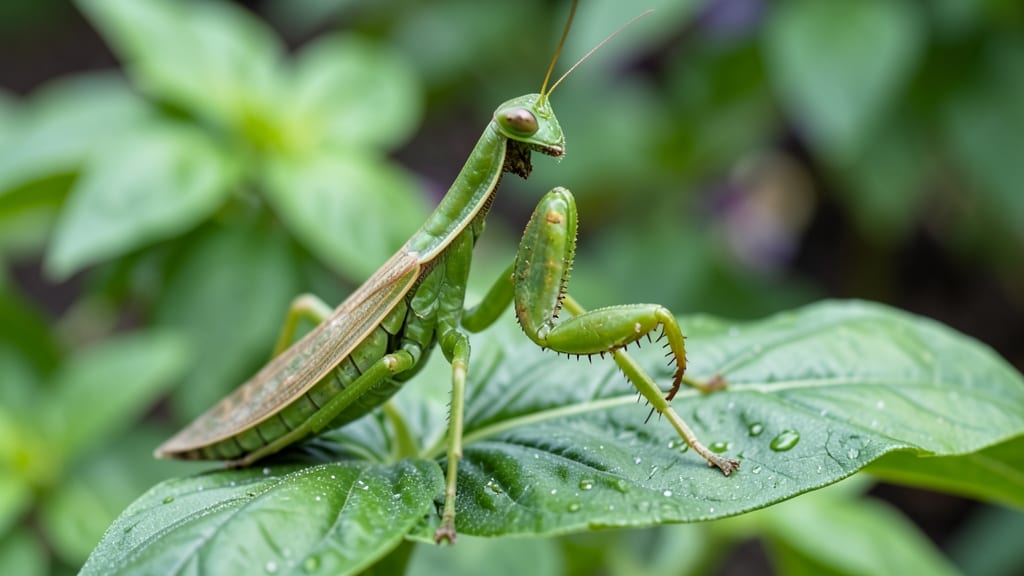
Keeping bugs out of your vegetable garden 🥬 is all about smart, natural barriers that work before pests even arrive.
Picture this: you’ve spent weeks nurturing your spring seedlings, only to wake up one morning and find them skeletonized by caterpillars or chewed beyond recognition. It’s every gardener’s nightmare—and the good news is, you don’t need harsh chemicals to stop it.
From simple row covers to strategic companion planting, there are 12 proven barriers that keep your garden thriving without harming the ecosystem. Below, I’ll walk you through the easiest, most effective methods—ranked by how well they actually work—and show you how to set them up in just a few minutes.
Whether you’re dealing with aphids, slugs, or cabbage worms, these solutions are budget-friendly, eco-safe, and designed to fit any garden size. Let’s get started.
12 Natural barriers to repel bugs from your vegetable garden
Nothing frustrates a gardener more than watching pests devour your hard work. The good news? You don’t need harsh chemicals to protect your vegetable garden. Natural barriers create a fortress around your plants, keeping aphids, slugs, and cabbage worms at bay while supporting a healthy ecosystem.
These solutions are easy to implement, budget-friendly, and work in harmony with nature.
From companion planting to physical barriers, each method targets specific pests without harming beneficial insects. The key is combining multiple strategies for layered defense. For example, row covers block flying insects, while mulches deter ground-dwelling pests like slugs.
Let’s explore the most effective natural barriers and how to set them up for immediate protection.
| Barrier Type | Effectiveness (1-10) | Best For | Setup Time | Cost |
|---|---|---|---|---|
| Row Covers (Floating) | 9/10 | Aphids, Flea Beetles, Cabbage Worms | 5 minutes per plant | $ |
| Companion Planting (Marigolds) | 8/10 | Nematodes, Mosquitoes, Whiteflies | Planting season | $ |
| Straw Mulch (3-4 inches) | 7/10 | Slugs, Cutworms, Weeds | 10 minutes per bed | $$ |
| Chicken Wire Fencing | 8/10 | Rabbits, Deer, Slugs | 30 minutes per 10 sqft | $$ |
| Diatomaceous Earth (Food-Grade) | 9/10 | Ants, Beetles, Crawling Insects | 5 minutes per area | $ |
| Garlic & Onion Plantings | 7/10 | Japanese Beetles, Aphids | Planting season | $ |
| Copper Tape Barrier | 8/10 | Slugs, Snails | 15 minutes per bed | $$ |
| Pine Needle Mulch | 6/10 | Fungal Diseases, Weeds | 10 minutes per bed | $ |
| Intercropping (Basil + Tomatoes) | 7/10 | Whiteflies, Mosquitoes | Planting season | $ |
| Beetle Traps (Yellow Sticky) | 8/10 | Whiteflies, Aphids | 5 minutes setup | $ |
| Crushed Eggshells | 6/10 | Slugs, Small Crawlers | 10 minutes per area | $ |