
Pests
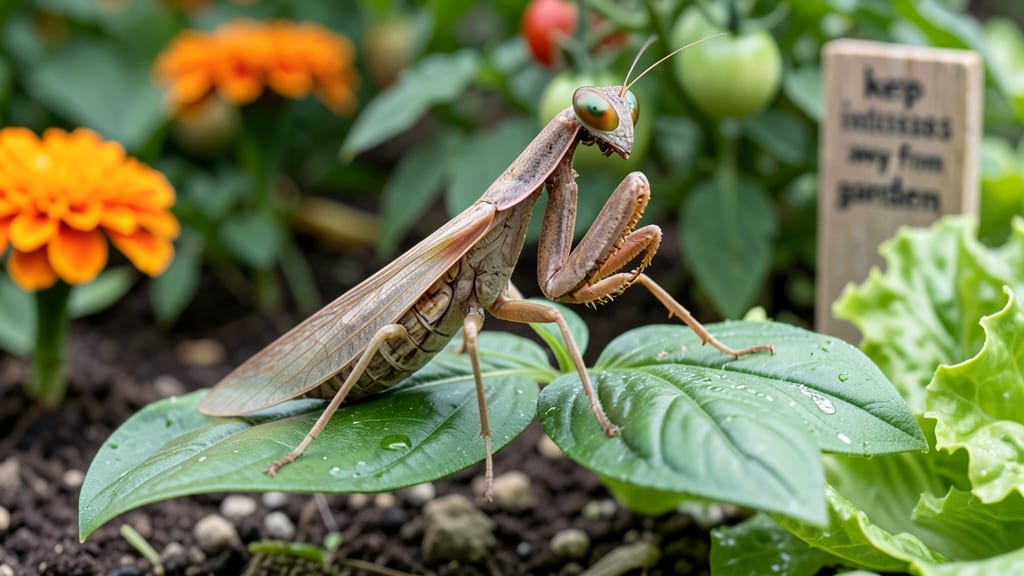
Keeping insects away from your garden doesn’t require harsh chemicals—just the right plant-based repellents 🌿 can create a natural barrier that pests won’t cross.
Picture this: You’ve spent hours nurturing your garden, only to watch aphids, mosquitoes, and beetles turn your hard work into a buffet. The good news? Some plants act like nature’s own pest control, warding off insects with their scent and compounds.
From marigolds that confuse Japanese beetles to basil that deters flies, these repellent plants work silently in the background while your veggies thrive. No sprays, no fuss—just healthier soil and happier harvests.
Below, I’ll show you the top 10 plants to plant, how to arrange them for maximum protection, and even a few DIY sprays to boost their power. Ready to reclaim your garden the natural way?
Top 10 plant-based repellents that naturally deter garden insects
If you're tired of chemical sprays and want a natural way to protect your garden, you're in luck! Many common plants produce compounds that repel insects like aphids, mosquitoes, and tomato hornworms without harming your plants or the environment.
These plant-based repellents work by releasing volatile oils and scents that pests find unpleasant. The best part? They're easy to grow and maintain!
Science shows that plants like marigolds and basil contain natural pyrethrins and limonene, which disrupt insect nervous systems and deter them from landing. Others, like lavender, release linalool and camphor, creating a protective barrier.
Let's explore the top 10 insect-repelling plants and how to use them effectively in your garden.
| Plant | Target Pests | Planting Tip | Maintenance |
|---|---|---|---|
| Marigolds | Aphids, Mosquitoes, Nematodes | Plant near tomatoes, peppers, and squash | Deadhead spent blooms |
| Basil | Mosquitoes, Flies, Whiteflies | Grow near tomatoes and peppers | Prune regularly for bushiness |
| Lavender | Moths, Fleas, Mosquitoes | Plant in borders or containers | Water at base only |
| Rosemary | Cabbage Moths, Carrot Flies | Interplant with brassicas | Trim woody stems in spring |
| Mint | Ants, Spiders, Mice | Grow in containers to prevent spreading | Harvest leaves regularly |
| Garlic | Aphids, Japanese Beetles | Plant near roses and fruit trees | Remove flower stalks |
| Chives | Carrot Flies, Aphids | Interplant with carrots and onions | Divide clumps every 3 years |
| Nasturtiums | Aphids, Squash Bugs, Cucumber Beetles | Plant near brassicas and cucurbits | Train vines on trellis |
| Lemon Balm | Mosquitoes, Flies, Ants | Grow near fruit trees | Harvest leaves for tea |
| Geraniums (Pelargonium) | Japanese Beetles, Mosquitoes | Plant near roses and vegetables | Deadhead regularly |
To maximize effectiveness, plant these repellent plants strategically. For example, marigolds should surround your vegetable garden, while basil and chives work best interplanted with vulnerable crops. The key is to create a protective perimeter that confuses and deters pests before they reach your prized plants.
Most of these plants thrive in full sun with well-draining soil. Start by selecting 3-5 repellents that align with your garden's layout and the pests you encounter most often. For instance, if mosquitoes are your biggest problem, prioritize lavender, basil, and lemon balm.
If aphids are the culprits, focus on marigolds, nasturtiums, and garlic.
Regular maintenance is crucial for keeping these plants effective. Deadheading spent blooms on marigolds and geraniums encourages continuous flower production, which boosts their repellent properties. For herbs like basil and rosemary, pruning promotes bushier growth and stronger scent production.
Remember to water consistently but avoid overwatering, as soggy soil can attract pests like fungus gnats.
One of my favorite combinations is planting basil
How to strategically place repellent plants for maximum protection
Creating an insect-free garden starts with smart placement of your repellent plants. The key is positioning them where pests enter or congregate—around garden edges, near vulnerable crops, or in high-traffic zones.
A well-planned layout acts as a natural barrier, disrupting pest life cycles before they reach your prized plants.
Think of your garden like a fortress: marigolds and basil form the outer walls, while lavender and rosemary patrol the inner courtyard. Strategic placement maximizes their scent diffusion, creating an invisible shield that confuses and repels insects like aphids, mosquitoes, and cabbage worms.
3 Key Placement Strategies for Pest-Free Gardens
- 🌿 Perimeter Barriers: Plant tall repellents (like lavender) along fence lines to block entry points
- 🌱 Companion Planting: Interplant basil with tomatoes or nasturtiums with cucumbers to confuse pests
- 🌻 Intercropping: Weave marigolds between rows to disrupt pest movement patterns
For vegetable gardens, create a three-layer defense system: Start with tall repellents (like dill or fennel) at the perimeter, followed by medium-height companions (such as basil or thyme) near crop edges, and finish with low-growing ground covers (like clover) between rows.
This gradient confuses pests and minimizes their ability to locate your edibles.
Don't overlook container gardens or patio setups—strategic placement works anywhere. Place mosquito-repelling plants like citronella or lemongrass near seating areas, while aphid-deterring herbs (such as garlic chives) should surround potted herbs. Even balcony gardens can benefit from this approach when using window-box repellents.
Seasonal adjustments are crucial: In spring, focus on early-blooming repellents like alliums to catch migrating pests. By summer, expand to heat-tolerant varieties (such as rosemary) that thrive when pests are most active.
In fall, maintain a year-round barrier with winter-hardy herbs like sage or winter savory.
Remember, the stronger the scent, the more effective the protection. Crush leaves occasionally to release essential oils, or lightly prune plants to encourage bushier growth—this maximizes their repellent power. With these placement techniques, you'll create a garden where pests think twice before entering!