
Planting
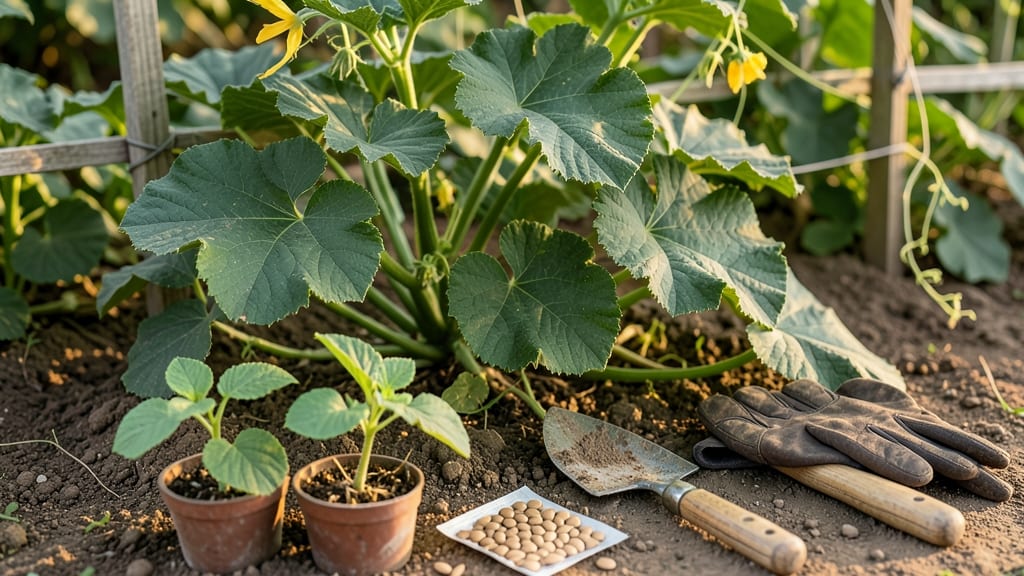
Planting cucumbers in a garden the right way means choosing between bush varieties that stay compact or vining types that sprawl—getting the spacing wrong can mean fewer cucumbers and more trouble down the line.
If you’ve ever watched your 🥒 vines twist and tangle into a tangled mess, you know how quickly things go wrong when spacing is off. The good news? With the right prep, even beginners can set up cucumbers for a bountiful harvest—no green thumb required.
In this guide, I’ll walk you through the step-by-step planting process, including soil prep, ideal spacing for both bush and vining types, and how to avoid the most common mistakes that stifle growth from the start.
You’ll also discover pro tips for maximizing yield, whether you’re planting in-ground or in containers, so you can enjoy crisp, homegrown cucumbers all summer long.

Step-by-step guide to planting cucumbers: timing, soil, and spacing secrets
Planting cucumbers successfully starts with understanding your local climate and soil conditions. Cucumbers thrive in warm soil (at least 60°F or 15°C) and need full sun exposure for 6-8 hours daily.
The key to maximizing your harvest lies in proper spacing, which varies dramatically between bush varieties and sprawling vines. Let’s break down the essential steps to set your cucumbers up for success from day one.
Before you even plant, test your soil pH—cucumbers prefer a slightly acidic to neutral range of 6.0 to 6.8. Amend your soil with compost or aged manure to improve drainage and fertility. Avoid fresh manure, which can burn delicate roots.
If your soil is heavy clay or sandy, mix in organic matter like peat moss or coconut coir to create the ideal loose, crumbly texture cucumbers love.
Timing is everything with cucumbers. Wait until after your last frost date (typically mid-April in Zone 6a) and ensure nighttime temperatures stay above 55°F (13°C). Cold soil and chilly nights can stunt growth or even kill young seedlings.
For a head start, sow seeds indoors 2-3 weeks before your last frost date, then transplant seedlings outdoors once all danger of frost has passed.
How to Plant Cucumbers in a Garden
- 1 Prepare the Soil: Loosen soil to a depth of 12 inches using a garden fork. Mix in 2-3 inches of compost and a balanced fertilizer (like 10-10-10) for nutrient-rich soil.
- 2 Choose Your Variety: Decide between bush cucumbers (compact, 1-3 ft tall) or vining cucumbers (sprawling, 6-15 ft). Bush types need less space but produce smaller yields.
- 3 Plant Seeds or Seedlings: For direct sowing, plant 2-3 seeds per hill, 1 inch deep. Space hills 3-6 feet apart for vining types or 12-18 inches apart for bush varieties. Thin to the strongest seedling per spot.
- 4 Use Hills or Rows: Plant in hills (mounds of soil) for better drainage and warmth, or in rows with 3-4 feet between rows. Hills work best in cooler climates.
- 5 Add Mulch: Apply 2-3 inches of mulch (straw or shredded leaves) around plants to retain moisture, suppress weeds, and keep fruit off the soil (reducing disease risk).
- 6 Trellis Vining Types: If growing vining cucumbers, install a trellis or cage at planting time. This saves space, improves air circulation, and makes harvesting easier.
Spacing cucumbers correctly is non-negotiable. Vining varieties need 3-6 feet between plants to sprawl freely, while bush types can thrive in tighter quarters at 12-18 inches apart. Overcrowding leads to poor air circulation, which invites powdery mildew and other diseases.
If you’re short on space, opt for bush cucumbers or use vertical trellising to train vining types upward.
After planting, water deeply to settle the soil and encourage root growth. Keep the soil consistently moist—1-2 inches of water per week—but avoid waterlogging, which can rot roots. Water at the base of plants in the morning to reduce fungal risks.
Within 2-3 weeks, you’ll see seedlings emerge. Thin them to the strongest plant per hill to avoid competition for nutrients.
Pro tip: If you’re growing cucumbers in containers, choose compact bush varieties and use pots at least 5
Bush vs. vining cucumbers: the ultimate spacing comparison for optimal growth
Choosing between bush and vining cucumbers isn’t just about preference—it’s about maximizing your harvest potential. Bush varieties like 'Bush Champion' stay compact, while vining types like 'Straight Eight' can sprawl up to 15 feet.
The right spacing strategy ensures better airflow, fewer diseases, and bigger yields. Let’s break down the key differences so you can pick the perfect fit for your garden.
For bush cucumbers, I recommend spacing plants 12–18 inches apart in rows that are 2–3 feet apart. This compact layout saves space and works well for containers or small gardens.
Vining cucumbers, however, need 3–6 feet of space between plants and rows to accommodate their sprawling growth habit. Without proper spacing, vines compete for nutrients, leading to stunted growth and lower yields.
If you’re growing cucumbers in containers, opt for bush varieties or dwarf vining types like 'Spacemaster.' Use 5-gallon pots for bush cucumbers, spacing them 18 inches apart. For vining types, choose 15–20 gallon containers and train vines up a trellis or cage to save space.
Container cucumbers need daily watering and regular feeding to compensate for limited root space.
Vining cucumbers thrive with trellising support, which improves airflow and reduces disease risk. Install 6–10 foot tall trellises and guide vines upward using soft ties. This vertical growth not only saves garden space but also makes harvesting easier.
Bush cucumbers, on the other hand, don’t require trellises but benefit from light mulching to retain moisture and suppress weeds.
For maximum yield, I prioritize airflow and sunlight. Bush cucumbers produce 5–10 cucumbers per plant, while vining types can yield 15–30+ if spaced and supported correctly. In my garden, I’ve seen vining varieties like 'Marketmore' produce twice as much as bush types when given proper care.
However, bush cucumbers mature faster, making them ideal for short-season gardens.
Pro tip: If you’re short on space, try interplanting bush cucumbers with shallow-rooted crops like lettuce or radishes. This maximizes your garden’s productivity while keeping cucumbers happy. For vining types, pair them with companion plants like beans or marigolds, which deter pests and improve soil health.