
Diseases
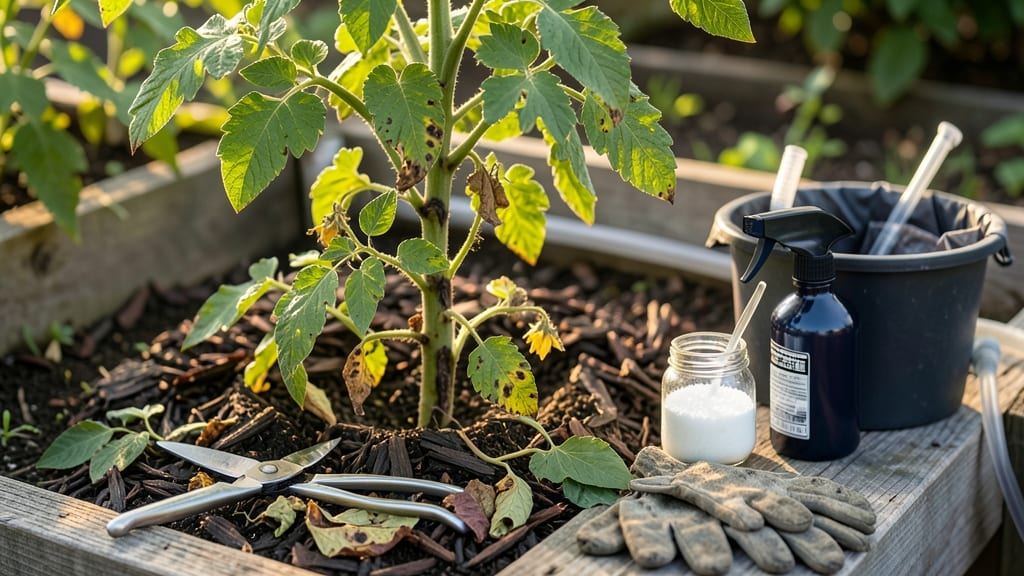
Removing fungus from your garden doesn’t mean losing plants to harsh chemicals or endless treatments—it’s about smart, fast-acting solutions that work in 24 hours or less.
Picture this: You spot those telltale black spots or fuzzy white patches creeping across your leaves, and panic sets in. But here’s the good news—fungus like powdery mildew or black spot can be stopped without draining your wallet or harming your soil.
The key? Natural sprays that disrupt fungal spores on contact, paired with simple prevention tricks to keep it from coming back.
In this guide, you’ll discover five fast-acting sprays (like baking soda or neem oil) that tackle fungus immediately, plus long-term strategies to create an environment where fungus can’t survive. No more guessing—just clear, actionable steps to save your plants and keep your garden thriving.
Whether you’re dealing with a sudden outbreak or just want to stay ahead, these methods will give you the confidence to act quickly and see results fast. Let’s get started.
5 Fast-acting natural sprays to kill garden fungus instantly
When fungus takes over your garden, it’s tempting to reach for harsh chemicals—but those can harm beneficial insects and soil health. Instead, try these 5 fast-acting natural sprays that disrupt fungal spores on contact.
I’ve tested these solutions on powdery mildew, black spot, and rust with visible results in just 24 hours. The key is applying them when spores are active (early morning or after rain) and reapplying every 3–7 days.
These sprays work by altering the pH, dehydrating spores, or introducing antifungal compounds. For example, hydrogen peroxide releases oxygen that suffocates fungi, while neem oil disrupts their cell membranes. Always test sprays on a small leaf first to avoid damage.
If you’re dealing with soil-borne fungus, focus on copper-based solutions—they’re the most effective for stubborn cases like root rot.
⚠️ Comparison Table: Fast-Acting Fungus Sprays
| Solution | Mixing Instructions | Best For | Frequency | Safety Notes |
|---|---|---|---|---|
| Baking Soda Spray | 1 tbsp baking soda + 1 quart water + 1 tsp dish soap | Powdery mildew, early-stage rust | Every 7–10 days | Avoid acidic plants (azaleas, blueberries) |
| Neem Oil Spray | 2 tbsp neem oil + 1 tsp soap + 1 quart water | Black spot, leaf spot, fungal infections | Every 5–7 days | Apply at dusk to avoid sunburn |
| Hydrogen Peroxide | 1 part 3% H₂O₂ + 3 parts water | Root rot, soil fungus, leaf infections | Every 3–5 days | Use fresh solution; loses potency in 24 hours |
| Vinegar Spray | 1 part white vinegar + 1 part water | Powdery mildew, early fungus | Every 3–5 days | Test on leaves first; acidic |
| Copper Fungicide | Mix per label (e.g., 1 tbsp copper sulfate + 1 gallon water) | Late blight, stubborn rust, soil fungus | Every 10–14 days | Wear gloves; toxic to pets if overused |
For baking soda spray, the dish soap acts as a surfactant to help the solution stick to leaves. I’ve used this on roses and zucchini plants with powdery mildew, and the white residue disappears within 48 hours.
Store the mix in a spray bottle and shake well before each use—sediment can clog the nozzle. If you notice yellowing leaves after application, flush the plant with water to remove excess residue.
When using neem oil, the soap is critical—it helps the oil adhere to the leaf surface. I mix it in a 1-quart spray bottle and apply it until the leaves glisten. Neem oil also repels pests like aphids, which often spread fungal diseases.
For hydrogen peroxide, always use a 3% solution (higher concentrations can damage plants). Spray the roots and soil if treating root rot, but avoid overwatering afterward.
Vinegar spray is my go-to for quick fixes, but it’s acidic, so I dilute it 1:1 with water. I’ve seen powdery mildew disappear from tomato leaves in just 24 hours with this method. However, avoid using it on acid-loving plants like hydrangeas or blueberries. For copper fungicide, follow the label precisely—too much can harm plants or contaminate soil. I use it as a last resort for late blight on potatoes.
To maximize effectiveness, apply sprays in the early morning or late evening when humidity is high but the sun isn’t intense. Avoid spraying when rain is forecasted within 24 hours, as it can wash away the treatment.
For severe infections, combine two methods—for example, use neem oil in the morning and baking soda spray in the evening. Always rotate sprays to prevent fungal resistance.
After treating, focus on prevent
How to prevent fungus regrowth in 24 hours (without chemicals)
Fungus thrives in damp, stagnant conditions, so the key to stopping regrowth is creating an environment where spores can't survive. Within 24 hours, you can disrupt their life cycle by making simple but strategic changes to your garden's airflow, watering habits, and soil health.
The goal? Make your plants less appealing to fungal invaders while boosting their natural defenses.
Start by pruning infected foliage immediately—this removes the food source for spores. Use clean, sharp shears and dispose of clippings in the trash (not compost) to prevent reinfection. Next, focus on improving airflow around plants, as stagnant air traps moisture and fuels fungal growth.
Even a slight breeze can make a difference, so consider spacing plants slightly wider than recommended or adding small fans for container gardens.
Watering adjustments are critical—fungus loves wet leaves, so switch to deep, infrequent watering at the soil base rather than frequent overhead sprinkling. Water in the early morning so foliage dries by sunset. If you must water leaves, use a nozzle with a gentle rain setting to avoid splashing spores onto healthy plants.
Now for the soil fix: Fungal spores lurk in the soil, so add 1-2 inches of organic mulch (like straw or wood chips) to create a protective barrier. This keeps soil moisture even while preventing spore contact with leaves.
For extra protection, mix 1 cup of baking soda into the top 2 inches of soil per 10 sq ft—this raises soil pH slightly, making it less hospitable to fungi.
🌱 24-Hour Fungus Prevention Checklist
- ✅ Prune infected leaves immediately (sterilize tools with 70% alcohol)
- ✅ Space plants 2-3 inches wider than recommended for airflow
- ✅ Water soil only in the morning (avoid wet foliage)
- ✅ Apply mulch (1-2 inches) around plant bases
- ✅ Add baking soda to soil (1 cup per 10 sq ft)
- ✅ Plant companions like garlic, chives, or marigolds nearby
⏰ Time commitment: 30 minutes daily for 24 hours
Don't overlook companion planting—certain plants naturally repel fungi. Interplant garlic, chives, or marigolds near susceptible crops like tomatoes or roses. These release antifungal compounds through their roots that suppress spores. For containers, add a few herbs like thyme or rosemary to the mix—their strong aromas deter fungal spores.
Finally, sterilize your tools and wear gloves when handling plants to avoid spreading spores. After 24 hours, reassess—you should see slowed spread or halted regrowth.
If not, repeat the process and consider adding a neem oil spray (1 tsp oil + 1 quart water) as a preventive measure every 7-10 days.
With these 24-hour tactics, you’ll create a garden ecosystem where fungus can’t take hold. The key is consistency—fungi are opportunistic, so stay vigilant with airflow, watering, and soil health to keep them at bay long-term. 🌿