
Watering
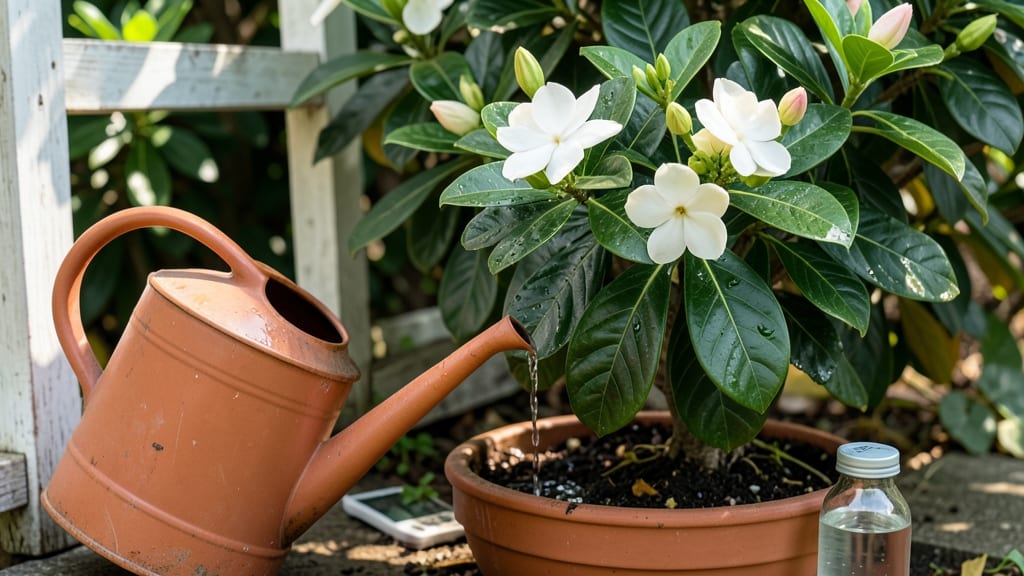
Watering gardenia the right way is the key to those fragrant blooms you’ve been dreaming of—because too much or too little water can turn your 🌸 into a sad, droopy mess.
Struggling to keep your gardenia blooming? The secret isn’t just love—it’s mastering the perfect watering routine that mimics its natural tropical habitat without drowning its delicate roots.
Most gardeners overthink it, but the truth is simple: gardenias crave consistent moisture—not soggy soil or bone-dry roots. I’ll show you exactly how to check soil moisture, adjust for heatwaves, and even troubleshoot those pesky yellow leaves before they ruin your blooms.
By the end, you’ll know when to water, how deep to go, and why your gardenia might be sending you SOS signals with its leaves. Let’s get those roots happy so your gardenia can shine all season!
Optimal watering schedule for gardenias based on season and growth stage
Gardenias thrive when their watering routine mimics their native tropical environment—consistent moisture without soggy soil. The key is balancing deep watering with proper frequency, which changes dramatically based on season, growth stage, and even your local climate.
Unlike drought-tolerant plants, gardenias demand attention, but overwatering is just as deadly as underwatering.
I’ve learned the hard way that newly planted gardenias need more frequent watering than mature shrubs, while established plants can handle longer dry spells—if their roots have room to breathe.
The trick? Always check the soil moisture before watering. Stick your finger 2-3 inches deep—if it feels dry, it’s time to water. If it’s damp, wait another day.
Here’s where it gets tricky: humid climates (like Florida or Louisiana) require less frequent watering than dry regions (such as Arizona or California). In humidity, gardenias can go 4-5 days between deep waterings, while arid zones may need daily misting in peak summer.
The goal is to keep the soil evenly moist, not waterlogged.
Let’s break down the science-backed schedule you need to follow, tailored to your gardenia’s age and the season. This comparison table will help you visualize the differences at a glance.
For new gardenias, the first 6 months are critical. Their roots are still establishing, so I recommend a light misting every morning combined with a deep watering every other day.
This mimics the tropical rain showers they’re used to. Use a moisture meter or your finger to ensure the top 1 inch of soil stays consistently damp—never soggy.
Once your gardenia is established (6+ months), you can shift to a deep watering schedule. Water at the base of the plant in the morning to allow the foliage to dry out during the day, reducing fungal risks.
In summer, I water mine every 2 days, but in winter, I cut back to bi-weekly watering unless we’re in a drought.
Here’s a pro tip: Mulch around the base with 2-3 inches of organic mulch (like pine bark or shredded leaves) to retain moisture and regulate soil temperature. This reduces the need for frequent watering by 30-40%. Just keep the mulch 2 inches away from the trunk to prevent rot.
If you’re growing gardenias in containers, they’ll dry out faster than in-ground plants. Check the soil daily in summer and water when the top ½ inch feels dry. Containers also
Signs of overwatering vs. underwatering gardenias (and how to fix them)
Your gardenia’s leaves are the first to scream when watering goes wrong. Yellowing leaves or drooping stems often signal trouble—but are they begging for more water or drowning in it?
Gardenias thrive in consistent moisture, but their roots rot quickly in soggy soil. Let’s decode the clues your plant leaves behind.
Start by checking the soil moisture 2 inches below the surface. Stick your finger in—if it feels damp, hold off on watering. If it’s bone-dry, your gardenia’s thirsty.
But wilting leaves can mean either overwatering (roots suffocating) or underwatering (roots dehydrated). The key? Look at the leaf edges and stem condition.
⚠️ callout-warning
- Yellow leaves with green veins (nutrient leaching)
- Mushy stems or blackened roots (root rot)
- Soggy soil that stays wet for days
Underwatered gardenias show crispy leaf edges and dry, papery texture. The leaves may curl inward to conserve moisture, and new growth slows to a crawl. If you’ve missed watering for 3+ days in hot weather, the roots can’t absorb nutrients, leading to stunted blooms and leaf drop.
For underwatering, deep watering is the cure. Soak the soil until water runs out the drainage holes, then wait until the top 1-2 inches feel dry.
In containers, gardenias need watering every 1-2 days in summer, while in-ground plants tolerate 3-5 days between drinks. Morning watering prevents fungal issues from evening moisture.
Pro tip: Mulch around the base with pine bark or cocoa hulls to retain moisture and mimic their tropical home. Avoid synthetic mulches—they can suffocate roots. If your gardenia’s blooms are sparse, check both watering and sunlight. Partial shade + consistent moisture = happy, fragrant blooms.
Remember, gardenias hate extremes. Aim for even moisture, not a drought or a swamp. Adjust your routine based on the season: more in summer, less in winter. With these fixes, your gardenia will reward you with glossy leaves and heavy fragrance all season long. 🌸