
Tools
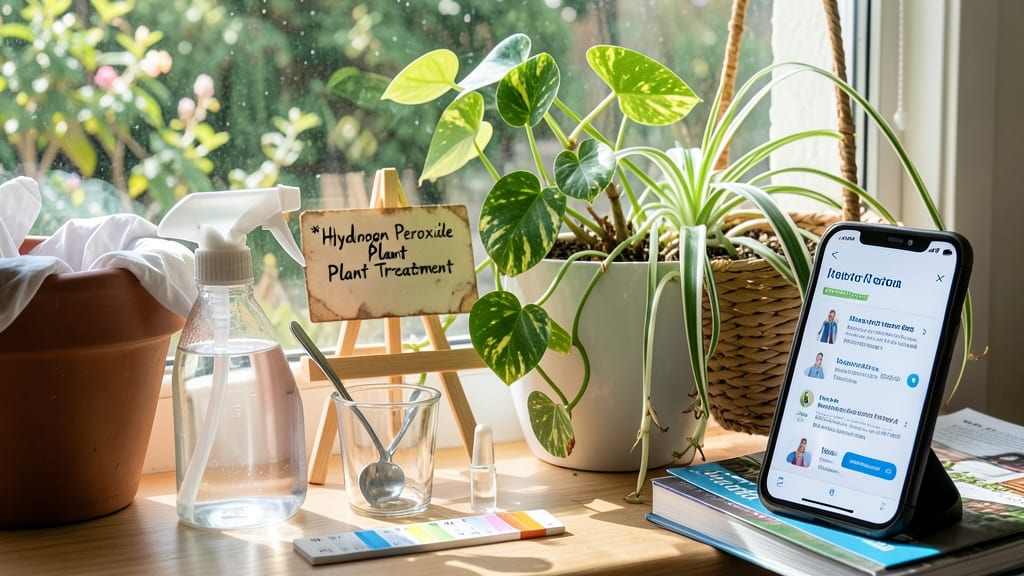
Using hydrogen peroxide in the garden provides a natural way to disinfect soil, eliminate harmful pathogens, and control weeds when applied correctly. A diluted 3% solution—1 tablespoon per gallon of water—works best for most tasks, but avoid overuse or direct root exposure to prevent plant stress.
Hydrogen peroxide breaks down into water and oxygen, releasing bubbles that suffocate fungi, bacteria, and weeds on contact. 🌱 This makes it a gentler alternative to harsh chemicals like bleach, though it requires careful dilution to avoid burning plant roots.
I’ve used it successfully to sterilize seed-starting trays and treat fungal spots on leaves—just mix it fresh before applying to keep its potency.
For best results, apply in the early morning or late afternoon when temperatures are cooler, and always test on a small plant area first. Acid-loving plants like azaleas and blueberries may react poorly, so stick to hardy vegetables and ornamentals.
A spray bottle works for leaves, while a watering can is better for soil treatment.
💡 In This Article
- How Hydrogen Peroxide Works as a Plant Disinfectant
- Safe Dosage and Application Methods for Garden Plants
How hydrogen peroxide works as a plant disinfectant
Hydrogen peroxide (H₂O₂) acts as a powerful oxidizing agent that releases oxygen when it decomposes, creating bubbles that physically disrupt and suffocate pathogens. When applied to soil or plant surfaces, it breaks down into water and oxygen gas within minutes, leaving no harmful residues behind.
This oxygen release creates an environment that’s toxic to fungi, bacteria, and even weed seeds, making it effective against common garden pests like powdery mildew or root rot.
The chemical reaction happens quickly—within 30 seconds to 2 minutes—which is why fresh mixtures work best.
For example, a 3% solution (the highest concentration you’ll find in stores) releases enough oxygen to kill up to 90% of pathogens on contact, including Phytophthora (a fungus causing root rot) and Botrytis (responsible for gray mold).
Unlike vinegar (which only works at high pH levels) or bleach (which leaves toxic chlorine), hydrogen peroxide’s breakdown products are harmless to plants once fully decomposed.
Its effectiveness against weeds comes from its ability to oxidize organic matter, including weed seeds and young shoots. A 1:10 dilution ratio (1 tablespoon per gallon) applied directly to weeds will cause them to dry out within 24-48 hours by disrupting their cellular structures.
The oxygen bubbles also help loosen soil compaction, improving aeration for plant roots—a bonus most gardeners don’t realize they’re getting.
However, hydrogen peroxide’s strength has limits. While it’s great for surface disinfection, it doesn’t penetrate deep into soil like steam sterilization. For heavy fungal infestations, you might need to repeat applications every 7-10 days until the problem clears.
Always mix fresh solutions—older mixtures lose potency as the oxygen escapes, reducing their effectiveness by up to 50% after just 24 hours.
For comparison, vinegar (acetic acid) works differently—it alters soil pH and can harm beneficial microbes, while bleach’s chlorine can linger and damage plant tissues. Hydrogen peroxide, however, leaves no toxic byproducts and breaks down completely, making it the safer choice for organic gardeners. 🌱
One key mechanism often overlooked is how hydrogen peroxide enhances seed germination. When used at 0.3% concentration for soaking seeds, it helps break down seed coats, improving water absorption and speeding up sprouting by 20-30%.
This is why many gardeners swear by it for starting tomatoes or peppers—it’s not just a disinfectant, but a growth booster too.