
Advice
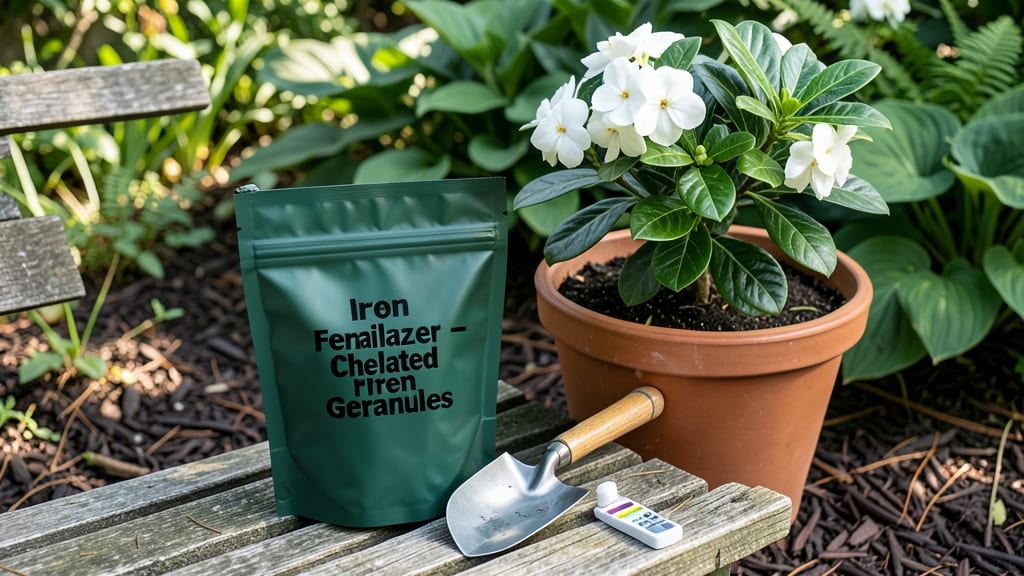
Your gardenias need iron to keep their leaves deep green and blooms abundant — without it, those glossy 🌸 leaves turn yellow between the veins, and the fragrance fades.
Picture this: You’ve watered, fertilized, and even pruned, but your gardenias still look tired. The problem might not be what you’re doing, but what’s missing in the soil. Iron deficiency is a common issue for these acid-loving plants, especially in alkaline or overworked soil.
In this guide, I’ll walk you through how to spot iron deficiency, the best supplements to use (and how to apply them), and long-term soil care tips to keep your gardenias thriving in USDA Zone 9b and beyond.
By the end, you’ll know exactly how to revive your gardenias and prevent future nutrient shortages — so you can enjoy those iconic white blooms all season long.
How to diagnose and fix iron deficiency in gardenias
If your gardenias are showing yellowing leaves with green veins, you’re likely dealing with iron chlorosis, a common issue even in acid-loving plants. This deficiency prevents your gardenias from producing chlorophyll, leading to pale foliage and fewer blooms.
The good news? Iron deficiency is often reversible with the right approach.
Iron chlorosis typically appears when soil pH rises above 6.0, locking out iron even if it’s present. Gardenias thrive in acidic soil (pH 5.0–6.0), so adjusting pH and supplementing iron can restore your plants’ vibrant green leaves and fragrant blooms within weeks.
| Method | Application Rate | Speed of Results | Best For |
|---|---|---|---|
| Chelated Iron (Fe-EDTA) | 1 tbsp/gal water (foliar) or 1 lb/100 sq ft (soil) | 7–14 days | Immediate fixes, alkaline soils |
| Iron Sulfate | ½ cup/10 sq ft (soil) or 1 tsp/gal (foliar) | 3–4 weeks | Budget-friendly, established plants |
| Organic Amendments (compost, peat) | 2–3 inches mulch or 5 lbs compost/plant | 4–6 weeks | Long-term soil health, prevention |
Before applying iron, confirm the issue by checking your soil pH with a test kit. Gardenias need acidic soil (pH 5.0–6.0)—if your soil is higher, amend it with sulfur or peat moss to lower pH gradually.
For quick fixes, chelated iron is my top recommendation because it’s immediately available to roots.
Apply foliar sprays (mixed with water) on a cloudy day to avoid leaf burn. For soil applications, water the area thoroughly after spreading iron granules. Repeat every 4–6 weeks during the growing season to maintain healthy iron levels.
If your gardenias are potted, flush the soil with water to remove excess salts, then repot with acidic potting mix and add iron-infused compost. Avoid overwatering, as soggy roots worsen nutrient uptake.
For organic solutions, mix composted leaves or well-rotted manure into the soil. These release iron slowly and improve soil structure. Pair this with mulching to keep roots cool and moisture levels stable.
Monitor your gardenias for new growth within 2–3 weeks. If yellowing persists, retest soil pH and consider mycorrhizal fungi, which enhance root absorption of nutrients like iron.
Prevent future deficiencies by regularly testing soil pH and adding iron-rich amendments like pine needles or coffee grounds to mulch. Healthy gardenias reward you with glossy leaves and abundant blooms all season.
Best iron supplements for gardenias: chelated vs. organic options
When your gardenias show yellowing leaves with green veins—classic iron chlorosis—you need a targeted fix. Iron supplements come in two main forms: synthetic chelates and organic sources, each with unique benefits. I’ll break down the best options, their application rates, and how they impact your acid-loving gardenias long-term.
Iron sulfate is the most budget-friendly choice, but it can lower soil pH over time, risking root damage. EDTA-chelated iron, on the other hand, is highly available and safe for acidic soils, making it ideal for gardenias. Organic options like iron-infused compost or fish emulsion release nutrients slowly, improving soil health but requiring patience for results.
To help you decide, here’s a quick comparison of the top iron supplements for gardenias, including their pros, cons, and best use cases:
Iron Supplement Comparison for Gardenias
Iron Sulfate
- ✅ Low cost ($5–$10/lb)
- ✅ Fast-acting (visible results in 2–4 weeks)
- ❌ Acidifies soil (risk for gardenias in pH 5.0–6.0)
- ❌ Burns roots if overapplied
Best for: Quick fixes in neutral-to-alkaline soils (amend with sulfur first).
EDTA-Chelated Iron
- ✅ pH-neutral (safe for acid-loving gardenias)
- ✅ Highly available (absorbed immediately)
- ❌ Expensive ($20–$40/lb)
- ❌ Short-term fix (requires reapplication)
Best for: Long-term care in acidic soils (ideal for gardenias).
Organic Sources (Compost/Fish Emulsion)
- ✅ Improves soil health (long-term benefits)
- ✅ Safe for all plants (no pH risk)
- ❌ Slow-release (results in 4–8 weeks)
- ❌ Requires composting (not instant)
Best for: Preventive care and soil enrichment.
For immediate results, I recommend starting with EDTA-chelated iron if your soil is acidic. Mix 1 tbsp per gallon of water and apply as a foliar spray or soil drench every 4–6 weeks during the growing season.
If you prefer organic methods, amend your soil with iron-rich compost or use fish emulsion (1 tbsp per gallon) monthly.
Remember, prevention is key. Regularly test your soil’s pH and iron levels—gardenias thrive in acidic conditions (pH 5.0–6.0). If your soil is alkaline, consider adding sulfur or peat moss to lower the pH before supplementing with iron.
A little proactive care goes a long way in keeping your gardenias lush and blooming.
🌸 For extra insurance, pair your iron supplement with a balanced acid-loving fertilizer (like 8-3-9 NPK) to support overall plant health. Your gardenias will thank you with vibrant blooms and glossy foliage in no time!