
Advice
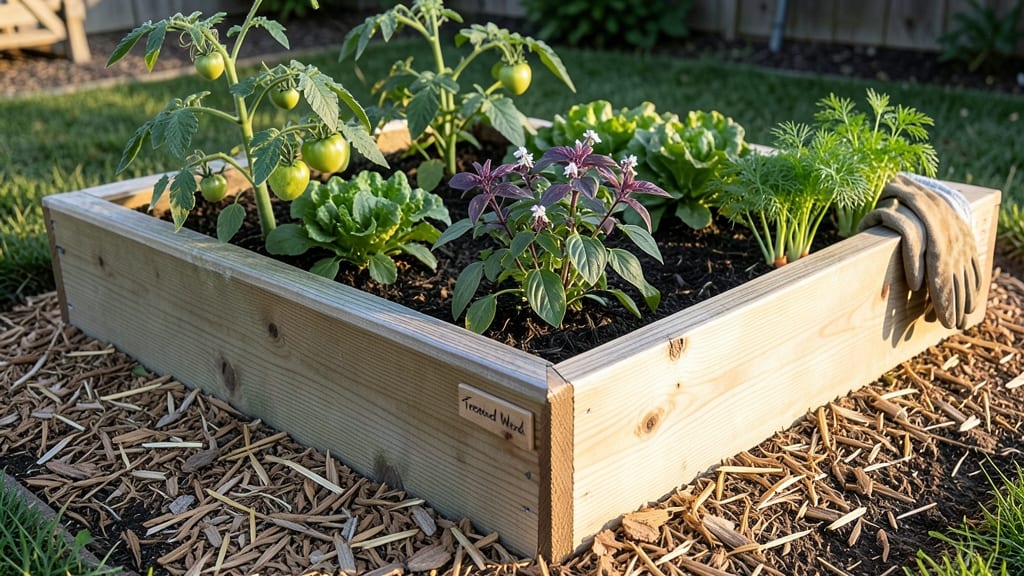
Is treated wood safe for gardens? It carries chemical risks from arsenic, chromium, and copper in older pressure-treated lumber, though modern ACQ-treated options are safer. For raised beds and edible plants, always opt for food-safe materials and prevent direct soil contact.
Is treated wood safe for gardens? Older pressure-treated wood, especially CCA-treated lumber, contains toxic preservatives that can leach into garden soil over time, potentially harming plants and contaminating produce. 🌱 The EPA banned CCA wood for residential use in 2004, but many older structures still contain it—always check labels.
Newer ACQ-treated wood uses safer chemicals but should still be avoided for direct plant contact. For raised beds, I recommend cedar or redwood, which resist rot naturally and are non-toxic when untreated.
If you must use treated wood, seal it with a non-toxic liner or paint and avoid placing it directly in soil where vegetables grow. For trellises or decorative elements, treated wood can work safely as long as it's properly sealed and doesn't touch edible plants.
The key is minimizing chemical exposure while balancing durability and cost.
💡 In This Article
- Chemical Risks in Treated Wood for Garden Use
- Safe Wood Alternatives for Garden Projects
Chemical risks in treated wood for garden use
Older pressure-treated wood, particularly CCA-treated lumber (chromated copper arsenate), contains a dangerous cocktail of arsenic, chromium, and copper. These chemicals were used to prevent rot and insect damage, but they pose serious health risks when they leach into garden soil.
Arsenic, for example, is classified as a human carcinogen by the EPA, while chromium can cause skin irritation and respiratory issues if inhaled as dust. The EPA banned CCA-treated wood for residential use in 2004, but many older decks, raised beds, and garden structures may still contain it.
How do these chemicals enter the soil? Through a process called leaching, where rainwater and soil moisture gradually dissolve and carry the preservatives into the ground.
Studies show that arsenic levels in soil near CCA-treated wood can exceed safe limits within just 2-3 years, especially in acidic or sandy soils where leaching accelerates. 🌧️ The copper in treated wood also alters soil chemistry, reducing microbial activity that helps plants absorb nutrients.
For vegetable gardens, this means stunted growth, yellowing leaves, or even crop failure in severe cases.
Newer ACQ-treated wood (alkaline copper quaternary) replaced CCA and uses safer chemicals, but it's not risk-free. While ACQ lacks arsenic, it still contains copper and other compounds that can leach over time. The EPA considers ACQ-treated wood safer for residential use, but it's still not ideal for direct plant contact.
For raised beds, the risk is lower because the wood isn't embedded in soil, but moisture from irrigation or rain can still cause leaching. Always check the label—look for "ACQ" or "MCQ" (micronized copper quat) to confirm it's a modern, safer treatment.
Long-term exposure to treated wood chemicals can also affect groundwater. If your garden is near a well or water source, the risk increases because leached chemicals can seep into aquifers.
A study from the University of Georgia found that arsenic levels in groundwater near old CCA-treated structures were up to 10 times higher than background levels.
This is why it's critical to avoid using treated wood for anything that will be in direct contact with edible plants or soil where water collects.
For peace of mind, consider the 3-foot rule: Keep treated wood at least 3 feet away from garden beds, especially those growing root vegetables like carrots or potatoes, which absorb water—and contaminants—directly from the soil.
If you're unsure about your wood's treatment type, a simple visual inspection can help: older CCA-treated wood often has a greenish tint, while ACQ-treated wood is more brown or tan. For maximum safety, test soil near the wood with a home soil test kit to check for elevated metal levels.
Even with safer treatments, the bottom line is simple: prevention is better than cure. If you're building a raised bed for vegetables, opt for untreated wood or certified food-safe alternatives.
For decorative elements like trellises or fences, treated wood can work—but seal it properly and keep it away from plant roots. Your garden's health depends on it. 🌿