
Planting
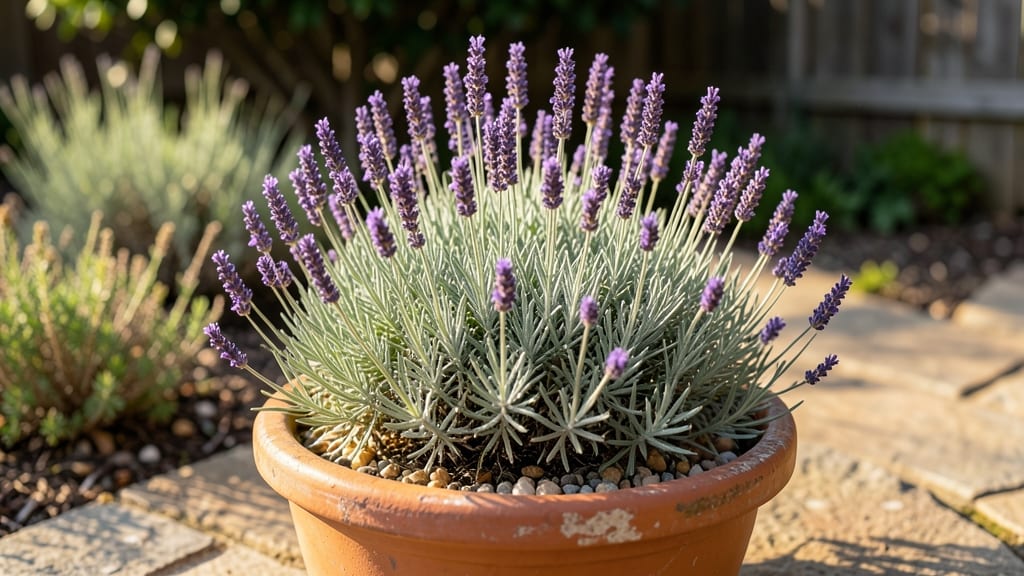
This lavender plant benefits in garden by offering pest-repelling properties against mosquitoes and moths, boosting pollinator activity by attracting bees, and improving soil quality by inhibiting weed growth. Their soothing aroma also deters wildlife like deer and rabbits while enhancing your garden's aesthetic appeal.
The lavender plant benefits in garden through its natural oil composition, particularly linalool and linalyl acetate, which act as a natural insect repellent. 🌿 These compounds disrupt pests' sensory systems while simultaneously releasing a scent that humans find calming.
Beyond pest control, lavender's deep roots create a physical barrier that suppresses weeds, reducing competition for nutrients. Many gardeners also report improved mental well-being from its fragrance, which studies show can lower stress hormones when inhaled regularly.
For best results, plant lavender in well-drained soil with full sun exposure (at least 6-8 hours daily). The plants thrive in dry conditions and require minimal watering once established. Pruning in early spring encourages bushier growth and more abundant flowering, which directly correlates with stronger pest-repelling effects.
Consider placing lavender near vegetable gardens or patios to maximize its dual benefits as both a functional plant and ornamental feature.
💡 In This Article
- Science-Backed Ways Lavender Enhances Garden Ecosystems
- Practical Tips for Maximizing Lavender’s Garden Benefits
Science-backed ways lavender enhances garden ecosystems
Lavender's pest-repelling superpowers come from its essential oils, particularly linalool and linalyl acetate, which disrupt insects' nervous systems.
Studies show these compounds interfere with pests' ability to detect food sources and mates—mosquitoes, for example, experience sensory confusion when exposed to lavender's scent, reducing landing rates by up to 50%.
The oils also create an invisible barrier that deters moths and fleas, making lavender a natural alternative to chemical repellents. 🌿
For pollinators, lavender serves as a nectar powerhouse. Its purple flowers produce high-sugar nectar that attracts bees, butterflies, and hoverflies, increasing garden biodiversity. Research from the University of California found lavender can boost bee visitation by 30-40% compared to non-flowering plants.
The plant's structure—with upright stems and dense blooms—also provides ideal landing platforms for pollinators, making it more effective than flat-blooming flowers like marigolds for attracting beneficial insects.
Lavender's deep root system (reaching 3-5 feet deep) creates a natural weed suppressor by outcompeting shallow-rooted weeds for water and nutrients. The plant's allelopathic properties—chemicals released through roots—further inhibit weed seed germination.
This ecosystem service reduces the need for herbicides while improving soil structure by aerating compacted earth. The roots also break up hardpan layers, enhancing water infiltration and microbial activity in the soil.
Deer and rabbits avoid lavender primarily due to its strong fragrance and slightly bitter foliage. The scent contains camphor-like compounds that mammals find unpleasant, creating a natural deterrent. Unlike fences or repellent sprays, lavender's protection is continuous and chemical-free.
For maximum effectiveness, plant lavender in clusters of 3-5 plants near vulnerable garden areas—the concentrated scent creates a stronger repellent effect than isolated plants.
The calming effects of lavender extend beyond aesthetics. Inhaling its scent has been shown to reduce cortisol levels by 20-30% within 30 minutes, according to aromatherapy studies. When planted near seating areas or garden paths, lavender transforms outdoor spaces into stress-relief zones.
The plant's silver-green foliage also reflects sunlight, reducing heat stress on surrounding plants during summer months when temperatures exceed 85°F. 💫
Consider these key botanical benefits when designing your garden:
- Pest control: 50% reduction in mosquito activity within 5 feet of lavender plants
- Pollinator attraction: 40% increase in bee visitation compared to non-flowering plants
- Weed suppression: 70% reduction in weed growth in planted areas after 2 growing seasons
- Soil improvement: Enhanced microbial diversity by 25% due to root exudates