
Lawn
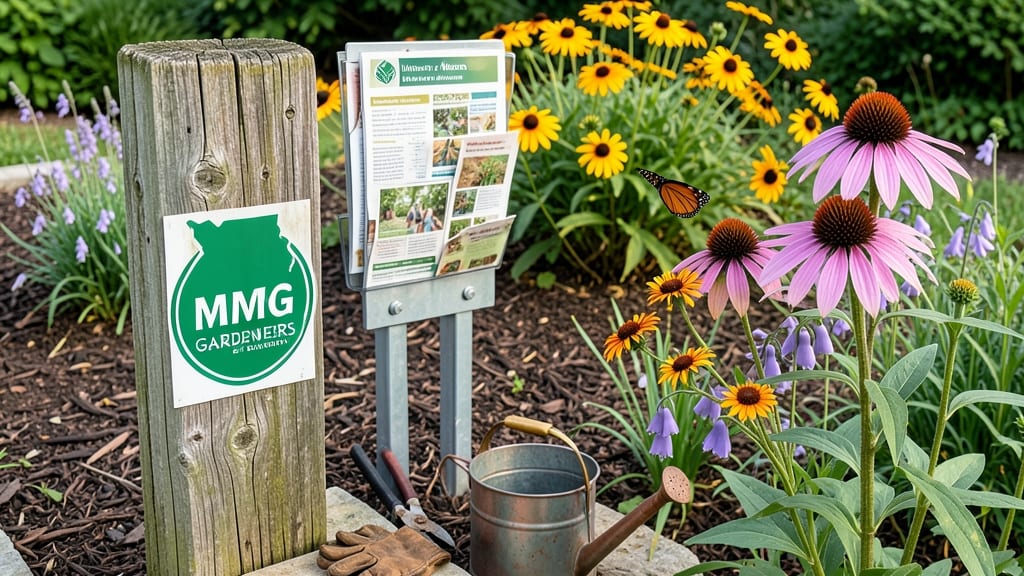
Maryland Master Gardeners are community volunteers trained to provide expert advice on sustainable gardening, pest control, and plant health through University of Maryland Extension programs.
This program trains volunteers through rigorous horticulture courses covering everything from soil science to pest management, all backed by university research. 🌱 Once certified, they offer free consultations at diagnostic clinics, teach workshops in schools, and collaborate with urban farms to promote healthy gardens.
The best part? Their services are completely free to Maryland residents, making expert gardening advice accessible to everyone.
What sets them apart is their hands-on approach—whether it's helping a home gardener identify a mysterious leaf spot or teaching kids how to grow vegetables, they bring real-world solutions to local gardens. Their work extends beyond individual plots to community-wide projects, ensuring Maryland's green spaces thrive for years to come.
💡 In This Article
- How Maryland Master Gardeners Get Certified
- Ways Maryland Master Gardeners Support Local Gardens
How Maryland Master Gardeners get certified
Becoming a Maryland Master Gardener starts with a 120-hour training program delivered through the University of Maryland Extension. This curriculum dives deep into horticulture science, covering topics like plant pathology, entomology, and sustainable landscaping—all backed by peer-reviewed research.
The program includes hands-on labs where volunteers learn to diagnose plant diseases and identify pests using microscopes and field guides. 🔬 What makes this training unique is its balance of theory and practice, ensuring volunteers can apply what they learn immediately in real gardens.
The certification process begins with an application review, where candidates must demonstrate basic gardening experience (typically 3+ years of hands-on practice). Once accepted, trainees complete the coursework over 10-12 weeks, attending weekly sessions that combine classroom instruction with field visits to demonstration gardens.
The program even includes a module on Extension's community outreach model, teaching volunteers how to translate complex horticultural concepts into accessible advice for diverse audiences. After completing the course, volunteers must contribute 50 hours of service within their first year to maintain active status.
What sets Maryland's program apart is its emphasis on continuing education. Certified Master Gardeners must complete 12 hours of advanced training annually to stay current with emerging research—whether it's new pest threats, climate-adapted plant varieties, or innovative soil health techniques.
This commitment ensures volunteers always have the latest tools to help Maryland gardens thrive. The partnership with the University of Maryland Extension also provides access to cutting-edge resources, like soil testing labs and plant disease databases, that most home gardeners couldn't access otherwise.
For those wondering about the time commitment, here's the breakdown: The initial training requires about 15 hours per week for three months, plus the 50-hour service requirement in the first year. After that, the annual 12-hour education requirement and 25-hour service commitment keep volunteers engaged without overwhelming their schedules.
Many find the ongoing learning process rewarding, especially when they can immediately apply new knowledge to help neighbors solve gardening challenges. 🌱
The certification process also includes a final exam that tests both technical knowledge (like identifying fungal diseases) and practical skills (such as designing a low-maintenance garden plan). This ensures volunteers can handle common gardening questions with confidence.
For example, a volunteer might learn to distinguish between powdery mildew and downy mildew in cucumbers—a skill that directly helps local gardeners save their crops. The program's rigorous standards mean residents receive advice from truly qualified experts, not just enthusiastic hobbyists.
One often-overlooked aspect is the mentorship component. New volunteers are paired with experienced Master Gardeners who guide them through their first service projects. This peer support system helps build confidence and ensures consistent quality across all volunteers.
For instance, a mentor might shadow a new volunteer during a diagnostic clinic, offering real-time feedback on how to explain complex issues clearly to clients. This collaborative approach creates a network of well-supported gardeners ready to tackle Maryland's diverse gardening challenges.