
Light Requirements
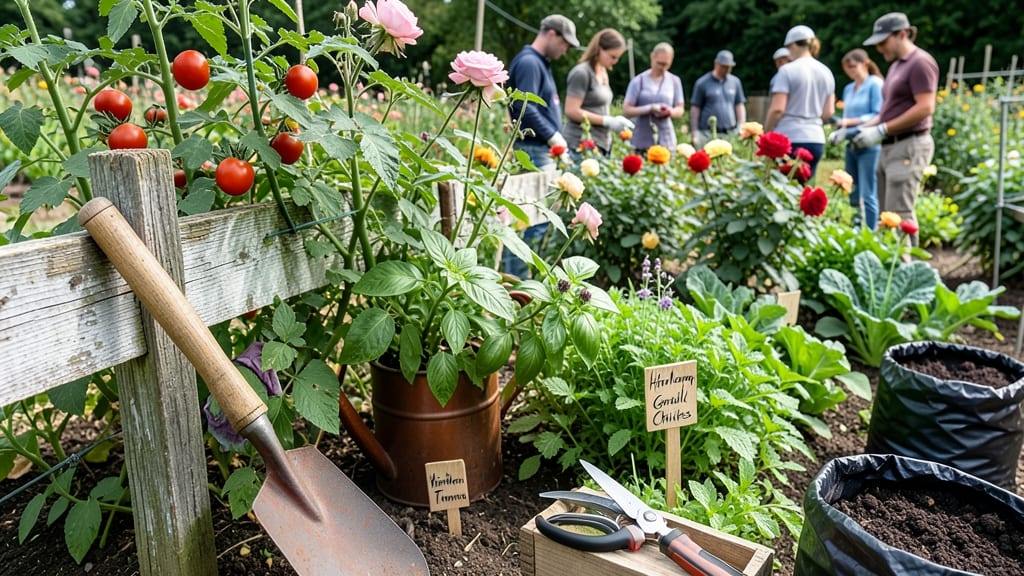
Finding master gardeners near you connects you to certified volunteers who offer free plant diagnostics, soil testing, and pest management advice through university extension programs. These experts work across your community to support local gardening success.
Master gardener programs are university-affiliated volunteer networks that train enthusiasts to become plant care experts. 🌱 These volunteers complete rigorous horticulture training before offering free consultations to home gardeners. Whether you need help diagnosing a mysterious leaf spot or choosing the right mulch for your climate, they're your go-to resource.
Plus, many programs provide free soil tests and pest identification services that would otherwise cost hundreds.
What sets them apart is their deep local knowledge—these gardeners understand your specific growing conditions, from soil types to microclimates. I've seen them transform struggling gardens by recommending native plants that thrive with minimal care or identifying hidden drainage issues.
The best part? Their advice is always science-backed and tailored to your garden's unique needs.
💡 In This Article
- How Master Gardener Programs Work and Their Benefits
- Where to Search for Local Master Gardener Volunteers
How master gardener programs work and their benefits
Master gardener programs operate through partnerships with land-grant universities and their cooperative extension services. Volunteers complete 50-75 hours of intensive horticulture training covering plant pathology, entomology, and sustainable gardening practices.
This rigorous curriculum ensures they can diagnose issues like powdery mildew or aphid infestations with precision—something even experienced gardeners might miss. The program's university backing means their advice is rooted in research, not just personal experience.
Once certified, these volunteers provide free services that would otherwise cost hundreds. For example, many offer soil testing kits (typically $10-$20 per test) at no charge, analyzing pH, nutrient levels, and organic matter content.
They also conduct plant clinics where you can bring samples for pest identification or disease diagnosis—something that would require a $50+ lab fee elsewhere. The hands-on approach extends to community gardens, where they teach workshops on topics like composting or pruning techniques.
What makes their impact tangible is how they bridge the gap between science and backyard gardening. I've seen them transform struggling gardens by recommending native plants that thrive with minimal care or identifying hidden drainage issues.
Their advice is always tailored to your specific growing conditions—whether you're dealing with clay soil in Texas or acidic soil in the Pacific Northwest. This localized expertise is what sets them apart from generic online advice.
Beyond diagnostics, master gardeners often lead free educational events at local nurseries or farmers' markets. These sessions cover everything from seasonal planting calendars to water-wise gardening strategies. The best part?
Their recommendations are always backed by data—like suggesting drought-tolerant lavender for dry climates based on years of regional trial data. This scientific approach ensures your garden thrives without costly trial-and-error experiments.
The program's structure also creates a feedback loop that improves over time. Volunteers regularly report back to extension services about what's working (or failing) in local gardens, which helps refine future training modules.
This continuous improvement means the advice you receive today is based on the latest research and real-world outcomes from gardens just like yours. 🌿
For gardeners facing common challenges like blight-resistant tomato varieties or deer-proof landscaping, master gardeners provide solutions that go beyond basic advice. Their training includes understanding how pests adapt to treatments, which means they can recommend integrated pest management (IPM) strategies that work better than store-bought sprays.
This holistic approach saves both money and the environment.
The real value becomes clear when you consider the alternative: paying for private consultations or guessing at solutions. A master gardener's free advice could save you $200+ in potential plant losses or misguided purchases.
Plus, their community focus means they're invested in your garden's success—not just making a quick sale. That's why so many gardeners swear by them as their most trusted resource. 💛