
Tools
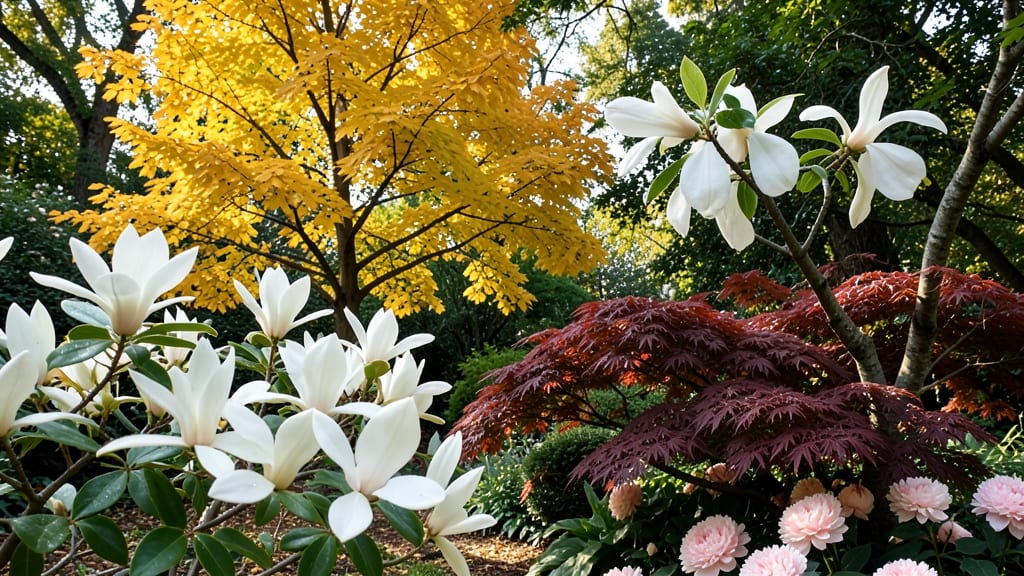
The Montreal Botanic Garden is a must-visit destination featuring over 22,000 plant species across meticulously designed themed gardens, from the serene Japanese Garden to the vibrant First Nations Garden, with seasonal highlights like spring tulip festivals and autumn foliage displays. Visitors should allocate a full day to explore its expansive 100+ acres of curated landscapes and greenhouses.
The Montreal Botanic Garden isn't just a collection of plants—it's a living museum where each garden tells a unique story. 🌿 The Japanese Garden embodies Zen principles with its carefully placed rocks and koi ponds, while the Chinese Scholar's Garden reflects classical Chinese aesthetics through its pavilions and water features.
What makes this garden special is how it blends science with culture, offering educational exhibits alongside breathtaking landscapes. Even the greenhouses are worth the visit, housing rare orchids and carnivorous plants that might surprise you.
Beyond the plants, the garden's seasonal transformations create distinct experiences year-round. Spring brings vibrant tulip displays, summer features nighttime illuminations, and autumn showcases fiery foliage. 🍁 I recommend checking their event calendar before visiting, as special exhibitions like the orchid show or themed evenings add extra magic.
Whether you're a plant enthusiast or just looking for a peaceful escape, this garden delivers a full sensory experience.
💡 In This Article
- Montreal Botanic Garden’s Themed Gardens and Their Botanical Significance
- Seasonal Visitor Guide: Best Times to Experience the Montreal Botanic Garden
Montreal botanic garden’s themed gardens and their botanical significance
The Montreal Botanic Garden’s themed gardens are carefully designed to reflect both cultural philosophies and ecological principles. The Japanese Garden, for instance, embodies wabi-sabi—a concept valuing imperfection and transience—through its asymmetrical rock arrangements and moss-covered pathways.
The garden’s 17 koi ponds and meticulously pruned bonsai trees (some over 100 years old) create a sense of harmony with nature, where every element has intentional meaning. 🌿 Unlike Western gardens that often emphasize symmetry, this space encourages contemplation through carefully placed stones that represent mountains and water features symbolizing rivers.
The Chinese Scholar’s Garden takes a different approach, rooted in yin-yang harmony and classical Chinese aesthetics. Here, pavilions frame views of water features, creating a sense of balance between open and enclosed spaces.
The garden features rare magnolia trees (some dating back to the 19th century) and orchids grown in controlled humidity greenhouses to mimic their native tropical environments. The 1.5-acre pond serves as both a visual centerpiece and a habitat for native species, demonstrating how traditional Chinese gardens integrate ecology with artistry.
For Indigenous visitors, the First Nations Garden offers a profound connection to traditional plant knowledge. This 2.5-acre space features over 150 species used by Indigenous peoples for medicine, food, and ceremony—like wild rice and echinacea.
The garden’s design follows a medicine wheel layout, with four distinct sections representing the cardinal directions. Each plant is labeled with both scientific and traditional names, providing an educational bridge between Indigenous wisdom and modern botany. 🌱 This garden isn’t just decorative; it’s a living archive of ecological knowledge.
What makes these gardens scientifically fascinating is their climate-adapted plant selection. The Japanese Garden, for example, uses acidic soil mixes> to mimic Japan’s volcanic terrain, while the Chinese garden incorporates drought-resistant species> like yucca and junipers> that thrive in Montreal’s continental climate.
The First Nations Garden focuses on native perennials> that require minimal irrigation, demonstrating sustainable landscaping principles. These choices aren’t arbitrary—they’re based on decades of horticultural research and cultural consultation.
Don’t miss the greenhouses>, which house some of the garden’s rarest collections. The Orchid House> contains over 1,000 orchid species>, including Phalaenopsis and Cattleya> that bloom year-round under controlled 70-80°F temperatures> and 60-80% humidity>.
The Carnivorous Plants House> features Venus flytraps> and pitcher plants>, showcasing how these species have evolved to thrive in nutrient-poor environments. These spaces provide a microcosm of global biodiversity within Montreal’s urban landscape.
The garden’s seasonal plant rotations> also reveal its botanical expertise. In spring, 20,000 tulip bulbs> are planted in precise patterns, while autumn brings Japanese maples> with fiery foliage that changes from green to vibrant red.
Even the rose gardens> are curated by season—spring features hybrid teas>, while fall showcases rugosa roses>** with hardy, disease-resistant blooms. This rotating display ensures visitors experience the garden’s full botanical spectrum throughout the year.