
Tools
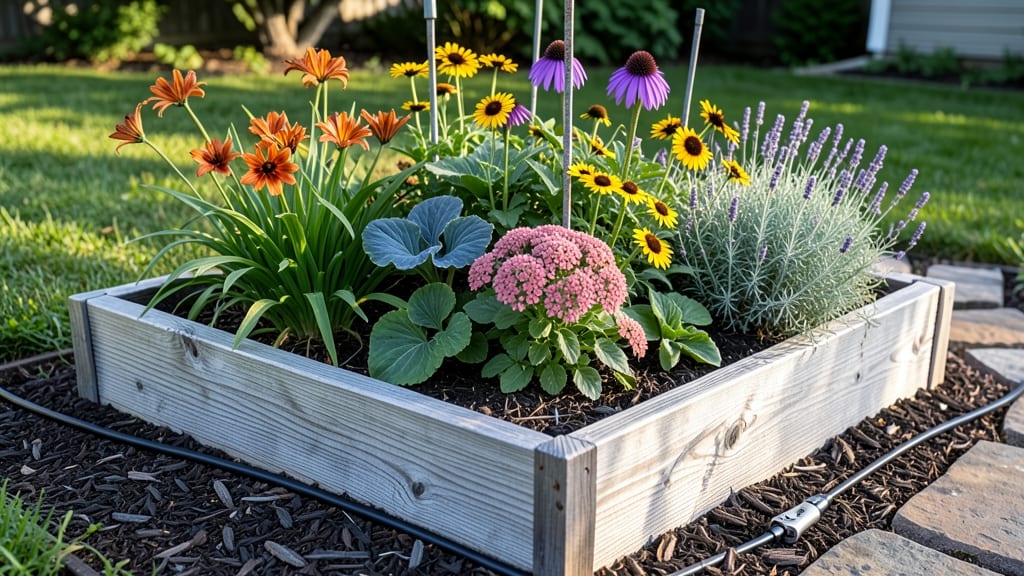
Mound garden bed ideas transform limited spaces into lush, tiered planting zones—perfect for small yards, slopes, or urban gardens where every inch counts.
Struggling to maximize your garden space without sprawling footprints? Mound garden beds transform limited areas into lush, tiered planting zones—ideal for small yards, slopes, or urban gardens. These elevated layouts solve drainage issues, improve accessibility, and let you grow more in less room.
From circular designs to spiral patterns, the right mound shape can turn a dull corner into a thriving garden. Whether you’re using rocks, wood, or natural soil, the key is balancing height, slope, and plant placement for both beauty and function.
Discover 10 creative mound designs, step-by-step building tips, and the best plants to layer for height and texture. By the end, you’ll have a customizable plan to elevate your garden—literally and figuratively.
10 Creative mound garden bed designs for small yards and urban spaces
Mound garden beds are my go-to solution for transforming tight spaces into thriving gardens. These elevated planting zones create dramatic visual interest while solving drainage issues and maximizing limited square footage.
Whether you have a balcony, patio, or sloped yard, these designs work beautifully with native plants, edibles, or ornamental flowers.
The key to success lies in strategic layering—placing taller plants at the base and cascading varieties at the top. This approach ensures full sun exposure for all plants while creating a natural waterfall effect.
For urban gardeners, mound beds also reduce soil compaction and improve accessibility for wheelchair users or those with mobility challenges.
Below, I’ve curated 10 unique mound bed designs, each optimized for small spaces and packed with plant diversity. From spiral patterns to geometric shapes, these layouts prove that big impact doesn’t require big yards. Let’s dive into the details!
| Design Name | Shape | Best For | Key Feature | Planting Strategy |
|---|---|---|---|---|
| Spiral Mound | Spiral | Urban patios | Guides water flow | Tallest at center, shortest at edges |
| Tiered Slope | Rectangular | Sloped yards | Natural drainage | 3-5 stepped levels |
| Circular Bonsai | Round | Small gardens | Miniature aesthetic | Dwarf varieties only |
| Wave Mound | S-curve | Modern landscapes | Dynamic movement | Alternating heights |
| Pyramid Mound | Triangular | Formal gardens | Symmetrical focus | Tallest at base |
| Rainbow Mound | Semi-circle | Colorful displays | Bloom progression | Flowers by color |
| Stepped Terrace | Square | Mediterranean style | Seating integration | Herbs at top |
| Moon Garden | Oval | Night-blooming plants | Moonlight reflection | Silver foliage |
| Butterfly Mound | Asymmetrical | Pollinator gardens | Nectar corridors | Native perennials |
| Zen Mound | Spiral |
How to Build a mound garden bed: materials, tools, and soil mix guideBuilding a mound garden bed is a game-changer for small spaces or sloped yards. These elevated beds improve drainage, prevent soil compaction, and create stunning visual layers. Whether you're using wood frames, natural rocks, or shaping an existing hillside, the process is simpler than you think. I’ll walk you through everything—from gathering materials to mixing the perfect soil blend—for a thriving, long-lasting mound bed. Before you start, choose a location with 6-8 hours of sunlight and easy access for watering and maintenance. Mound beds work beautifully in urban courtyards, along fences, or on gentle slopes. The key to success lies in the soil mix and proper drainage layers. Let’s break it down step by step so you can create a mound that’s both functional and eye-catching. Step-by-Step Guide to Building Your Mound Garden Bed
For a natural look, use river rocks or boulders to edge your mound bed instead of wood. This works especially well in dry climates where wood might rot faster. If you’re working with a steep slope, consider building terraced mound beds to prevent erosion and create multiple planting levels. Pro tip: Test your soil’s pH level before planting. Most vegetables thrive in slightly acidic to neutral soil (6.0-7.0). If your soil is too alkaline, amend it with peat moss or sulfur. For ornamental plants, adjust pH based on their specific needs—some, like azaleas, prefer acidic soil (4.5-5.5). Once your mound bed is built, maintain it by watering at the base (not the top) to keep roots moist and prevent erosion. Add a slow-release fertilizer in spring to give plants a nutrient boost. With proper care, your mound garden bed will become a low-maintenance, high-impact feature in your landscape. |