
Container Gardens
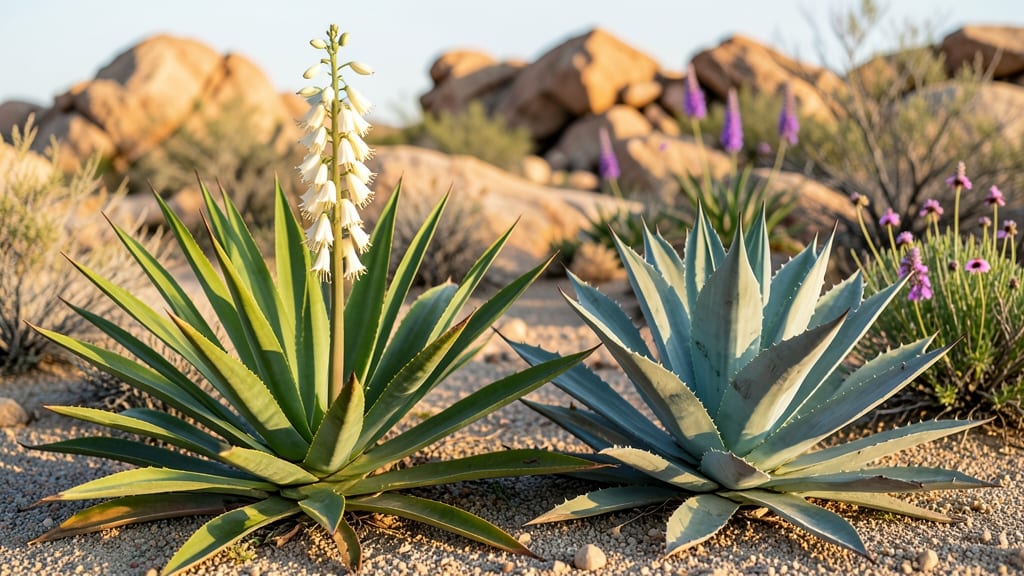
The New Mexico Botanical Garden showcases over 6,000 plant species across 18 acres, featuring rare desert flora, themed gardens, and seasonal displays like cacti collections and wildflower meadows. A guidebook reveals hidden trails and lesser-known blooms that most visitors overlook.
The New Mexico Botanical Garden isn't just a collection of plants—it's a living textbook of desert ecosystems. 🌵 What makes it special is how they've organized the space into distinct zones, each telling a story about New Mexico's diverse landscapes.
The Desert Garden alone holds over 200 native species, including the striking ocotillo and the towering sotol, while the Alpine Meadows recreate high-elevation conditions with hardy wildflowers that bloom in spring.
I always recommend starting at the Visitor Center to grab their trail map—it points out seasonal highlights you'd never spot on your own, like the hidden agave collection behind the Conservatory.
Timing your visit matters too. Spring brings vibrant wildflowers like the state flower, yucca gloriosa, while fall transforms the cacti garden into a spiky sculpture exhibit. Pro tip: The Woodland Garden, tucked behind the main paths, often has fewer crowds but features some of the most striking native shrubs.
For those who love hands-on learning, their annual Cactus and Succulent Show in early spring is a must—it's where you'll find rare hybrids and expert tips on desert gardening.
💡 In This Article
- Exploring New Mexico Botanical Garden’s Unique Plant Collections
- Seasonal Bloom Highlights and Hidden Trails Guide
Exploring New Mexico botanical garden’s unique plant collections
The garden’s Desert Landscape Zone is where you’ll find New Mexico’s iconic plants thriving in their natural habitat. Here, the ocotillo (Fouquieria splendens) stands out with its striking red stems that emerge from the ground like skeletal fingers, each capable of growing up to 15 feet tall.
These plants only bloom after rare desert rains, producing vibrant red flowers that attract hummingbirds—a spectacle that happens roughly every 2-3 years. The zone also features the sotol (Descurainia sessilifolia), a desert plant with sword-like leaves that can live for over 100 years without rain.
Contrast this with the Alpine Meadows, where the elevation shift creates a completely different ecosystem. Here, you’ll see hardy wildflowers like the New Mexico penstemon (Penstemon strictus) and lupine (Lupinus sp.), which thrive in cooler temperatures and bloom between March and May.
The garden replicates these high-elevation conditions using specialized irrigation that mimics natural mountain runoff. What’s fascinating is how these alpine species have adapted to survive with as little as 10 inches of annual rainfall, while their desert counterparts can go years without water.
The Native Plant Conservatory offers a controlled environment to showcase rare species that wouldn’t survive outdoors. Inside, you’ll find the yucca gloriosa (New Mexico’s state flower) in full bloom, with its dramatic 3-foot-tall flower stalks that appear in late spring.
The conservatory’s humidity-controlled chambers also protect endangered species like the New Mexico wild onion (Allium neomexicanum), which has fewer than 50 known wild specimens remaining. This is where you’ll understand why conservation matters—many of these plants face threats from habitat destruction and climate change.
Don’t miss the Woodland Garden, a hidden gem that most visitors overlook. This shaded area features native shrubs like the New Mexico olive (Forestiera neomexicana) and mountain mahogany (Cercocarpus montanus), both of which play crucial roles in desert ecosystems by providing food for wildlife.
The soil here is intentionally kept moist to demonstrate how these plants thrive in microclimates where water collects. It’s a perfect example of how New Mexico’s landscapes are far more complex than just "desert"—they’re a mosaic of specialized habitats.
Seasonal changes dramatically alter what you’ll see. In spring, the wildflower meadows explode with color from species like the blue grama grass (Bouteloua gracilis) and Indian paintbrush (Castilleja indivisa), while fall brings out the cacti’s architectural beauty as they develop their ribs and spines for winter protection.
The garden’s curators time plantings so that something is always in bloom, creating a year-round display that changes with the seasons.
What makes this collection truly special is how it bridges science and beauty. Each plant has been selected not just for its visual appeal but for its ecological importance.
For example, the agave species in the conservatory demonstrate how different agaves have evolved to store water in their leaves—some can hold up to 50 gallons during wet periods. This adaptation is what allows them to survive in the harsh desert environment. 🌵