
Tools
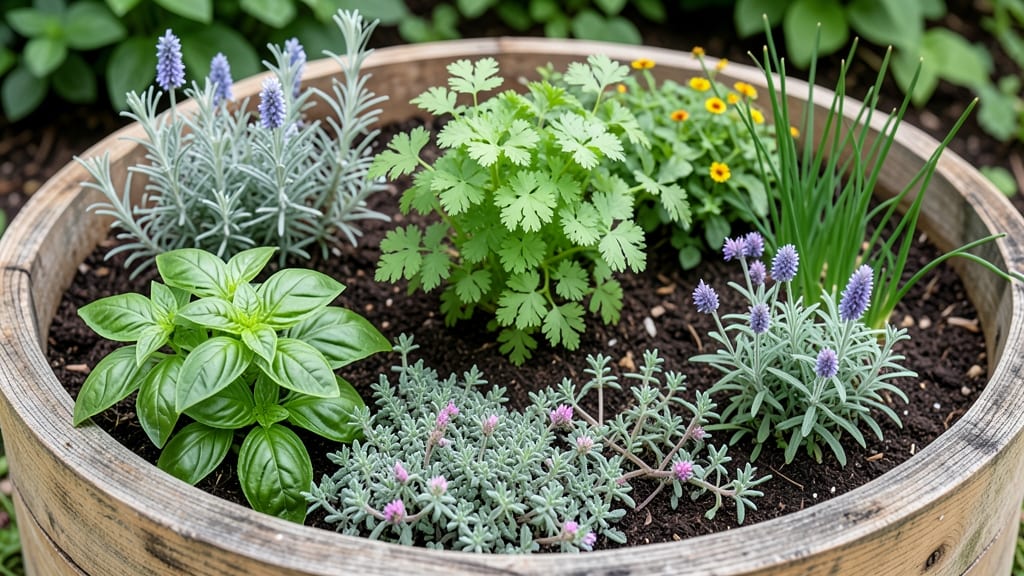
Creating an Olle garden bed means assembling organic layers—cardboard, landscape fabric, and materials like straw or leaves—then adding soil. This no-till method boosts drainage, blocks weeds, and gradually enriches soil through natural decomposition.
Olle beds work like a mini forest floor ecosystem right in your yard. 🌱 The cardboard layer blocks weeds while breaking down to feed soil microbes, while the fabric prevents soil from mixing with the organic layer below.
Over time, the straw and leaves decompose into nutrient-rich compost, giving plants a slow-release fertilizer boost without the need for tilling or chemicals. This approach mimics how nature builds fertile soil—layer by layer—while keeping maintenance simple.
The beauty of Olle beds lies in their simplicity and sustainability.
You can use free yard waste like leaves or grass clippings instead of buying expensive mulch, and the system requires no digging or heavy tools. 💫 For gardeners who want to reduce watering needs and cut down on weeding, this method delivers long-term benefits with minimal upfront effort.
Plus, the improved drainage helps prevent root rot in plants that dislike soggy soil.
💡 In This Article
- How Olle Garden Beds Improve Soil Health and Plant Growth
- Essential Materials and Tools for Constructing Olle Beds
How Olle garden beds improve soil health and plant growth
The magic of Olle garden beds lies in their ability to mimic nature's own soil-building process. When you layer cardboard, landscape fabric, and organic materials like straw or leaves, you're essentially creating a controlled decomposition environment.
The cardboard acts as a weed barrier while breaking down into cellulose, which feeds soil microbes.
These microbes then accelerate the decomposition of the organic layer below, creating a nutrient-rich humus that plants can absorb. 🌱 This process mimics how a forest floor gradually builds fertile soil through fallen leaves and decaying matter.
Moisture retention is another key benefit of this system. The organic layers absorb and slowly release water, reducing evaporation and keeping roots consistently hydrated.
Unlike traditional garden beds where water pools on the surface, Olle beds create a sponge-like structure that holds moisture near the roots while allowing excess water to drain away.
Studies show that properly constructed Olle beds can maintain 20-30% more moisture in the soil compared to conventional planting methods, which is especially valuable during dry spells or in sandy soils that drain too quickly.
Weed suppression works through a dual mechanism: physical blocking and biological competition. The cardboard layer smothers existing weeds by blocking sunlight, while the organic materials create an environment where beneficial microbes outcompete weed seeds.
This natural weed control eliminates the need for herbicides and reduces manual weeding by up to 80%. The dense organic layer also creates an inhospitable environment for weed seeds that need light to germinate, making Olle beds particularly effective in areas with persistent weed problems.
For plant roots, Olle beds create an ideal growing environment by maintaining consistent soil temperature and aeration. The organic layers break down at different rates, creating micro-environments that support diverse soil life. Earthworms thrive in these beds, tunneling through the organic matter and aerating the soil naturally.
This improved aeration helps roots access oxygen more easily, while the gradual release of nutrients from decomposing materials provides a steady food source for plants throughout the growing season. 🌿 Unlike chemical fertilizers that provide quick but short-lived nutrient spikes, Olle beds deliver sustained nutrition that matches plant growth patterns.
What makes this system particularly effective is how it builds soil fertility over time. Each season, the organic layer decomposes further, adding more organic matter to the soil profile.
Unlike tilling, which disrupts soil structure and releases carbon, the no-till approach of Olle beds preserves soil aggregates and promotes long-term soil health. This gradual improvement creates a self-sustaining ecosystem where plants grow stronger with each passing season, often resulting in 20-40% larger yields compared to traditional garden methods.
The visual difference in plant health is often dramatic. Plants grown in Olle beds typically show deeper green foliage, stronger stems, and more abundant flowering or fruiting. This improvement comes from the combination of better moisture retention, consistent nutrient availability, and reduced competition from weeds.
The system also helps prevent common garden problems like soil compaction and nutrient leaching, making it an excellent choice for both novice and experienced gardeners. 🌟