
Tools
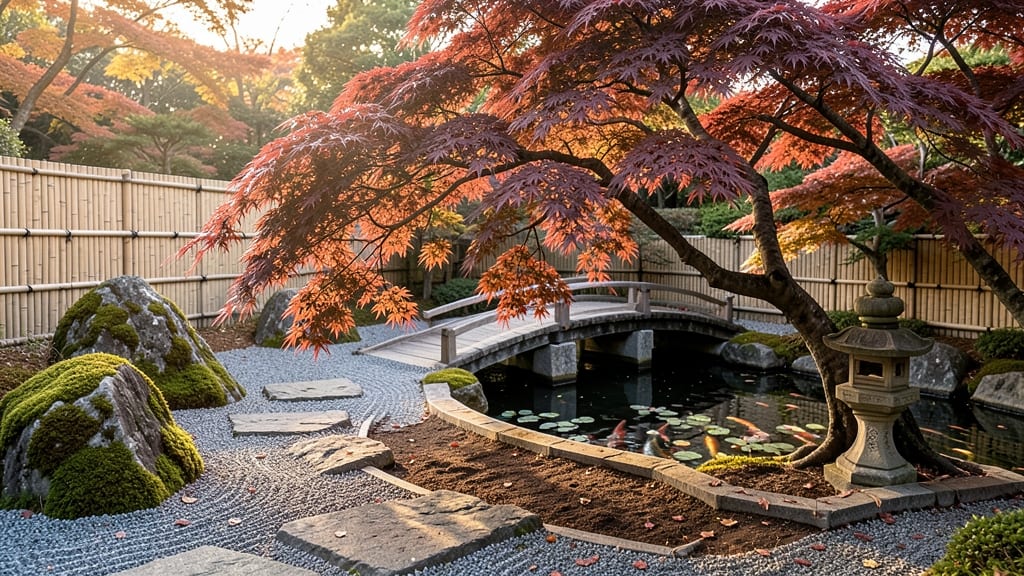
The Pasadena Japanese Garden offers more than its main paths—its hidden gems include the Moon Bridge spanning peaceful lotus ponds, the intimate Tea House Garden showcasing meticulous bonsai artistry, and the quiet Nightingale Hill offering panoramic sunset views over Pasadena's skyline. Venturing off the beaten path reveals the garden's most serene corners.
The Pasadena Japanese Garden's lesser-known areas embody centuries of Japanese design philosophy, where every element tells a story. 🌿 The Moon Bridge, for example, isn't just a crossing—it symbolizes the connection between heaven and earth, a concept central to traditional Japanese aesthetics.
Meanwhile, the Tea House Garden's bonsai trees represent harmony with nature, showcasing how humans can shape living art through patience and skill. These hidden spaces were deliberately designed to offer moments of quiet reflection, away from the garden's bustling main pathways.
To fully appreciate these tranquil spots, timing is everything. Early mornings before crowds arrive or late afternoons when the golden light enhances the garden's colors create ideal conditions for exploration. 🌅 Cherry blossom season in spring and autumn's fiery foliage transform these hidden areas into breathtaking canvases.
For photography enthusiasts, the play of light on the Moon Bridge's reflections or the delicate patterns of moss in the Tea House Garden offers endless creative opportunities. Even the garden's seasonal events, like lantern festivals, reveal how these quiet corners come alive with cultural traditions.
💡 In This Article
- Cultural Symbolism Behind Pasadena Japanese Garden’s Hidden Spaces
- Best Times and Tips to Spot the Garden’s Secret Gems
Cultural symbolism behind Pasadena Japanese garden’s hidden spaces
The Moon Bridge isn't just a crossing—it embodies the Japanese principle of borrowed scenery (shakkei), where natural elements beyond the garden's boundaries become part of the experience.
This curved wooden bridge, spanning the lotus pond, creates a visual pathway that guides visitors while symbolizing the journey between earthly and spiritual realms. The lotus itself carries deep significance: its roots in mud yet blooming pure represent enlightenment rising from imperfection, a core tenet of wabi-sabi aesthetics.
The Tea House Garden's bonsai displays demonstrate zen harmony, where human artistry mirrors nature's perfection. Each tree is meticulously pruned to reflect seasons and landscapes—some resembling ancient oaks, others delicate cherry blossoms—all under 12-inch height limits.
The stone lanterns flanking the paths serve dual purposes: they illuminate the garden during evening tea ceremonies while their placement follows feng shui principles to balance energy flow. These lanterns often feature three-tiered designs, symbolizing heaven, earth, and humanity's connection to both.
Nightingale Hill's panoramic views exemplify borrowed scenery at its finest, where the garden "borrows" Pasadena's skyline as its backdrop. The name itself references the Japanese legend where nightingales' songs symbolize fleeting beauty—a reminder of life's impermanence (mono no aware).
The hill's elevation of 30 feet above the garden floor wasn't accidental; it was designed to create a vantage point where visitors could reflect on both the garden's microcosm and the city's macrocosm simultaneously.
Water features like the lotus pond incorporate water mirror (mizugaki) techniques, where still water reflects surrounding elements to create infinite visual depth.
The pond's 15-foot diameter was carefully calculated to maximize reflections while maintaining ecological balance—lotuses grow in 18-inch water depths, their roots anchoring in the mud while their leaves float just above the surface. This precise engineering demonstrates how Japanese gardens blend art, science, and spirituality in every detail.
The garden's moss gardens (like those near the Tea House) represent kokedera—"moss temples"—where carefully cultivated moss creates living carpets that symbolize humility and simplicity. The 200+ moss species used require 90% humidity and shaded conditions, creating microclimates that take years to perfect.
Visitors often overlook how these moss gardens serve as "silent teachers," encouraging mindfulness through their textural variety and the meditative act of observing their growth patterns.
What most visitors miss is how these hidden spaces were designed to be experienced sequentially. The path from Moon Bridge to Tea House Garden to Nightingale Hill follows a clockwise route—traditionally considered auspicious in Japanese culture—while each location offers progressively deeper levels of reflection.
The garden's creators understood that physical movement through these spaces would naturally lead to spiritual transformation, making every step part of the journey rather than just the destination. 🌿