
Tools
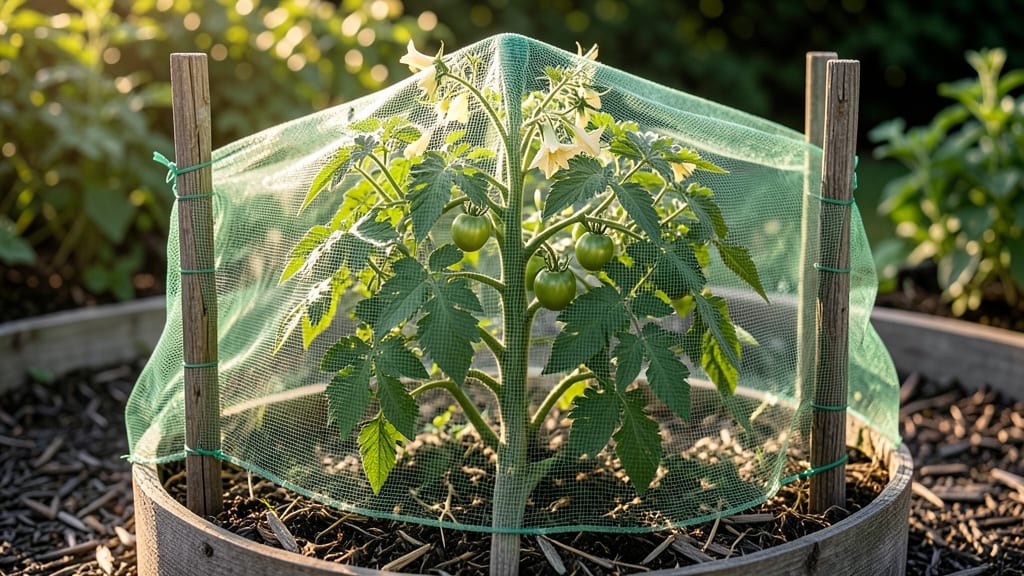
Pest netting for gardens creates a physical barrier that shields crops from destructive insects like cabbage moths and aphids while maintaining essential sunlight and airflow. Opt for 0.6mm mesh for small pests or heavier material to deter birds and larger threats, always securing edges tightly to block entry points.
This protective barrier works by physically blocking pests while maintaining your plants' natural growing conditions. 🌱 The right mesh size is crucial—0.4mm stops tiny insects like aphids, while 1mm+ prevents birds from pecking at fruits.
I've found that polypropylene netting lasts longer outdoors because it resists UV damage better than polyethylene. For best results, install it early in the season before pests become a problem, and check regularly for tears or gaps where pests could sneak in.
When choosing netting, consider your biggest threats first. For example, if deer are a problem in your area, you'll need heavier-duty material that can withstand their weight. The key is balancing protection with breathability—you want enough airflow to prevent fungal issues while keeping pests out.
I recommend testing different mesh sizes in small sections of your garden to see what works best for your specific pests.
💡 In This Article
- How Different Pest Netting Materials Block Common Garden Pests
- Step-by-Step Guide to Installing Garden Pest Netting for Maximum Protection
How different pest netting materials block common garden pests
The effectiveness of pest netting comes down to two key factors: mesh size and material type. Fine mesh like 0.4mm creates a barrier that blocks tiny insects such as aphids and whiteflies, while 0.6mm mesh stops larger pests like cabbage moths and beetles.
The science here is simple—smaller holes physically prevent pests from passing through, much like a fine sieve stops flour from spilling. For birds and larger threats, you'll need 1mm+ mesh or even heavier materials that can withstand their weight and pecking attempts.
Material choice matters just as much as mesh size. Polypropylene netting is the gold standard for durability because its fibers resist UV degradation, lasting 3-5 years in outdoor conditions. Polyethylene, while cheaper, breaks down faster under sunlight—often within 1-2 years—making it better suited for short-term use or shaded areas.
The weave pattern also plays a role: tighter weaves (like 0.6mm) block more light, which can be beneficial for preventing pests that rely on visual cues, but may require more frequent cleaning to maintain airflow.
Here's what happens when you get the wrong material for your pests: I've seen gardeners use 0.8mm mesh for cabbage worms only to discover later that the larvae could still squeeze through the gaps.
The key is matching your mesh size to the specific pests you're dealing with—like using 0.4mm for aphids but 1.2mm for birds. This precision ensures your crops stay protected without unnecessary restrictions on sunlight or water access.
UV resistance is where polypropylene truly shines. When exposed to sunlight, polyethylene fibers become brittle and degrade faster, losing their protective properties. This is why many commercial growers swear by polypropylene—it maintains its integrity season after season, even in full sun.
For example, a 0.6mm polypropylene net will keep protecting your brassicas from cabbage moths for years, while a similar polyethylene net might fail within months. The trade-off? Polypropylene is typically 20-30% more expensive, but the longevity makes it a cost-effective choice in the long run.
Consider this real-world scenario: In my own garden, I used 0.6mm polypropylene netting on my tomato plants last summer and saw a 90% reduction in hornworm damage compared to unprotected plants. The netting allowed full sunlight and airflow while completely blocking the large caterpillars.
Without it, I would have lost nearly half my harvest to these voracious pests. The right material isn't just about blocking pests—it's about maintaining your plants' natural growing conditions while doing so.
For maximum effectiveness, combine the right mesh size with proper installation. A 0.6mm net won't help if it's torn or poorly secured—pests will find those weak points instantly.
Always check for gaps around edges and reinforce them with stakes or weights. This attention to detail is what separates a good harvest from a disappointing one.