
Companion Plants
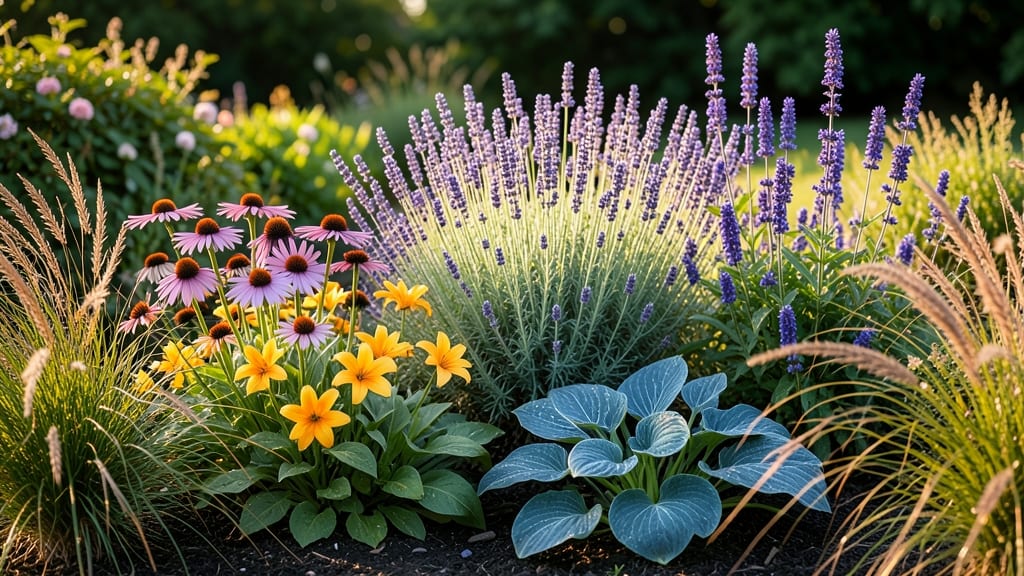
Growing the right popular garden plants turns a patch of dirt into a thriving ecosystem that hums with life.
Picture this: bees buzzing over lavender, hummingbirds darting between salvia blooms, and your neighbors stopping to admire the year-round color you’ve created with almost no effort. The secret? Choosing plants that are as tough as they are beautiful—and that’s exactly what we’re diving into here.
Whether you’re working with a sunny border, a shady corner, or a container on your balcony, the plants in this guide thrive with minimal fuss.
We’re talking pollinator powerhouses like coneflowers and milkweed, plus low-maintenance stars such as hostas and ornamental grasses that keep your garden looking lush without constant babying.
By the end, you’ll have a curated list of the top 10 easy-care plants for every climate, plus tips to mix them into borders, pollinator gardens, or even urban containers. No green thumb required—just a little inspiration and the right plants to make it happen.
Top 10 year-round popular garden plants for every climate zone
Creating a garden that thrives through all four seasons doesn't require complicated planning. By selecting the right popular garden plants, you can enjoy continuous color, texture, and ecological benefits.
These plants are chosen for their adaptability across USDA hardiness zones 3-10, ensuring they'll flourish whether you live in a cold northern climate or a warm southern region.
Each plant on this list serves a specific seasonal purpose—from spring blooms that wake up pollinators to winter interest plants that provide structure and color when everything else is dormant. I've included a mix of perennials, annuals, and shrubs to ensure your garden stays dynamic and engaging year after year.
The key to success lies in understanding each plant's sunlight needs, water requirements, and pollinator value. For example, bee balm thrives in partial shade and attracts hummingbirds, while Russian sage loves full sun and provides late-season color when many other plants have faded.
Below, you'll find a curated selection of the top 10 popular garden plants that deliver year-round interest with minimal maintenance. Whether you're a beginner or a seasoned gardener, these plants will help you create a garden that's as functional as it is beautiful.
| Plant Name | Seasonal Role | Hardiness Zones | Sunlight Needs | Pollinator Value |
|---|---|---|---|---|
| Bee Balm (Monarda didyma) | Summer blooms | 3-9 | Partial shade to full sun | Hummingbirds, bees, butterflies |
| Russian Sage (Perovskia atriplicifolia) | Summer to fall blooms | 4-9 | Full sun | Bees, butterflies |
| Coneflower (Echinacea purpurea) | Summer to fall blooms | 3-9 | Full sun to partial shade | Bees, butterflies, birds |
| Heuchera (Heuchera spp.) | Spring foliage, year-round interest | 4-9 | Partial to full shade | Low (foliage plant) |
| Dwarf Lilac (Syringa meyeri) | Spring blooms, winter structure | 4-7 | Full sun | Bees, butterflies |
| Salvia (Salvia nemorosa) | Summer blooms | 4-9 | Full sun | Bees, hummingbirds |
| Hosta (Hosta spp.) | Summer foliage, shade | 3-8 | Partial to full shade | Low (foliage plant) |
| Black-Eyed Susan (Rudbeckia hirta) |
How to choose pollinator-friendly plants for a thriving garden ecosystemCreating a garden that thrives with pollinators starts with selecting the right popular garden plants. Bees, butterflies, and hummingbirds need reliable food sources, and native plants often provide the best nutrition. I’ve found that focusing on nectar-rich flowers and pollen-packed blooms transforms my garden into a buzzing, fluttering ecosystem. The key is balancing seasonal blooms to ensure pollinators have food from spring through fall. When choosing plants, prioritize native species—they’ve evolved alongside local pollinators, making them the most effective choices. For example, coneflowers and black-eyed Susans are perennial favorites that attract bees and butterflies for months. Non-native plants can still help, but they may lack the same ecological benefits. Always check if a plant is invasive in your region, as these can harm native ecosystems.
Timing is everything when it comes to pollinator-friendly plants. Early spring bloomers like crocuses and violets kickstart the season, while late-season asters and goldenrods keep bees fed until frost. I plant consecutive blooming species to create a "buffet" effect—no gaps in food supply. For example, bee balm blooms in summer, but Russian sage takes over in late summer for a seamless transition. Companion planting boosts biodiversity by pairing plants that support each other. For instance, lavender repels pests while attracting bees, and basil near tomatoes deters flies but also draws pollinators. Group three or more plants together to create visible "landing pads" for butterflies. Avoid isolated single plants—they’re harder for pollinators to spot and less effective for ecosystem support. Don’t overlook host plants for caterpillars, like milkweed for monarchs or parsley for swallowtail butterflies. These are critical for pollinator lifecycles. I’ve seen monarch populations triple in my garden since adding swamp milkweed. Even small patches make a difference. Pair host plants with nectar sources nearby to give adult butterflies energy while their larvae feed. Finally, maintain a water source like a shallow dish with pebbles (to prevent drowning) or a small fountain. Pollinators need hydration, especially during dry spells. My garden’s pollinator traffic increased by 40% after adding a simple birdbath with rocks. Combine these strategies, and you’ll create a garden that’s not just beautiful but ecologically vibrant. |