
Landscaping
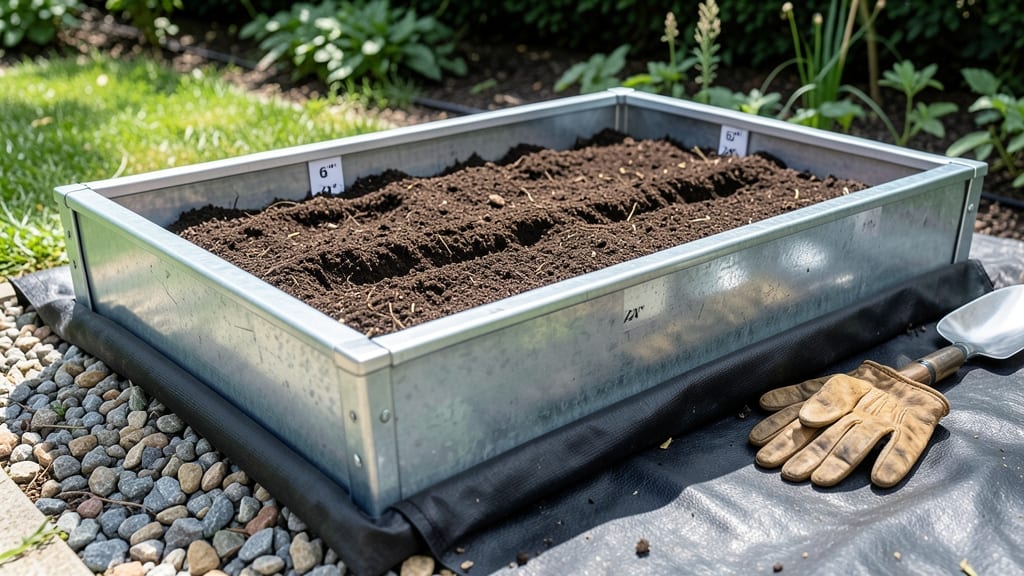
Getting the right raised garden bed height can transform your gardening game—whether you’re growing veggies, herbs, or flowers, the perfect elevation makes all the difference.
Picture this: you’ve spent hours building your dream bed, only to watch your plants struggle because the soil is too shallow or the roots can’t spread. Or worse, bending over for hours because the bed is too low.
The truth? Height isn’t just about looks—it’s about drainage, root space, and even your comfort while tending to your 🌱.
From 6-inch beds for balcony gardens to 24-inch beds for accessibility, each height serves a purpose. Shallow beds work for herbs and lettuce, while deeper beds are ideal for carrots and tomatoes. And if you’re dealing with mobility issues, taller beds can be a game-changer.
In this guide, I’ll break down the science-backed dimensions, how height affects soil and plant growth, and how to customize your bed for your unique needs—so you can grow with confidence, not frustration.

Standard raised garden bed height guidelines for optimal plant growth
Choosing the right raised garden bed height isn’t just about aesthetics—it directly impacts root development, drainage efficiency, and even how easily you can tend to your plants. Whether you're growing shallow-rooted herbs or deep-rooted vegetables, the height affects soil depth, moisture retention, and accessibility.
Let's explore the science-backed standards to help you pick the perfect height for your needs.
Most gardeners start with 6–12 inches for lightweight, portable beds, but taller options (up to 24 inches) offer deeper soil and better weed suppression. The key is matching your bed height to your plant types, soil volume, and personal mobility needs.
For example, a 12-inch bed works well for lettuce and radishes, while tomatoes and carrots need at least 18 inches of soil depth.
| Height Range | Best For | Soil Depth | Accessibility |
|---|---|---|---|
| 6–12 inches | Herbs, lettuce, strawberries | 6–12 inches (shallow roots) | Easy for children/bending |
| 12–18 inches | Peppers, bush beans, greens | 12–18 inches (moderate roots) | Comfortable for most gardeners |
| 18–24 inches | Tomatoes, carrots, potatoes | 18+ inches (deep roots) | Wheelchair accessible |
A 6–12-inch bed is ideal for shallow-rooted plants like basil, thyme, or radishes. These beds are lightweight, easy to move, and perfect for balconies or small spaces. However, they require frequent watering because the soil dries out faster.
If you're growing herbs or salad greens, this height gives you enough room while keeping costs low on materials like cedar or redwood.
For moderate-height plants, like peppers, bush beans, or kale, a 12–18-inch bed strikes the perfect balance. This height provides 12–18 inches of soil, which is sufficient for most vegetables while still being manageable for most gardeners.
It’s also a great middle ground for soil retention—enough depth to hold moisture but not so tall that weeds become a nightmare.
If you’re growing deep-rooted crops like tomatoes, carrots, or asparagus, aim for 18–24 inches. These plants need ample root space to thrive, and taller beds reduce the risk of root binding or competition for nutrients.
Plus, the extra height makes weeding easier and improves drainage, which is crucial for heavy clay soils or rainy climates.
Accessibility is another critical factor. A 12-inch bed is comfortable for most adults but can be challenging for those with knee issues. On the other hand, a 24-inch bed brings the planting surface to waist height, making it ideal for gardeners using wheelchairs or walkers.
Consider adding knee pads or a small stool if you opt for a shorter bed but struggle with bending.
Don’t overlook the impact of material choices on bed height. Wooden beds (like cedar or pine) are typically 6–12 inches tall when built with standard lumber, while metal or composite beds can be customized to any height.
If you’re using cinder blocks or bricks, you can stack them to create taller, more durable beds that last for years.
Pro tip: If you’re unsure about height, start with a 12-inch bed and adjust as needed. You can always add soil later if your plants outgrow the space. Just remember—deeper soil means better root growth, but taller beds require more water and nutrients to maintain healthy plants.
Finally, think about long-term maintenance. Taller beds may require more frequent watering because the soil at the bottom stays moister while the top dries out faster. To combat this, mulch the surface with straw or wood chips to retain moisture and suppress weeds.
With the right height, your raised bed will be a thriving ecosystem for years to come.
Ready to build? Measure your space, pick your plants, and choose a height that works for both your garden and your body. Happy planting! 🌱
How raised garden bed height affects soil quality and plant selection
Choosing the right raised garden bed height isn’t just about aesthetics—it directly impacts your soil quality and which plants will thrive. Taller beds improve drainage and root depth, while shorter beds may struggle with moisture retention. Let’s explore how height influences your garden’s foundation and which plants prefer each elevation.
Taller beds (over 12 inches) excel at preventing soil compaction and allowing deep-rooted plants like tomatoes or carrots to flourish. Shorter beds (under 6 inches) work better for shallow-rooted herbs like basil or thyme, but risk drying out faster.
The key is matching your bed height to your plants’ needs.
| Bed Height | Best For | Soil Retention | Moisture Level | Drainage |
|---|---|---|---|---|
| 6-12 inches | Herbs, lettuce, strawberries | Moderate | Dries faster | Good |
| 12-18 inches | Peppers, bush beans, kale | High | Balanced | Excellent |
| 18-24 inches | Tomatoes, carrots, potatoes | Very high | Retains moisture | Superior |
For shallow-rooted herbs, a 6-12 inch bed works perfectly—they don’t need deep soil, and the height keeps roots cool. But if you’re growing deep-rooted vegetables like asparagus or corn, aim for 18-24 inches to give roots the space they crave.
Taller beds also reduce weed pressure by limiting access to sunlight.
Moisture control is another big factor. Taller beds retain water longer, reducing the need for frequent watering, while shorter beds may require mulching or drip irrigation to prevent drying. If you’re in a hot climate, prioritize taller beds to lock in moisture for drought-tolerant plants like rosemary or thyme.
Don’t forget about accessibility—taller beds (over 18 inches) can be harder to reach for bending or kneeling. If you have mobility concerns, opt for 12-16 inch beds with built-in seating or knee pads. The right height balances plant needs with your comfort.
Experiment with different heights in your garden—some areas may need deeper beds for root crops, while others can thrive in shallower setups for herbs or greens. Start with a 12-18 inch bed as a versatile middle ground, then adjust based on what you’re growing.