
Tools
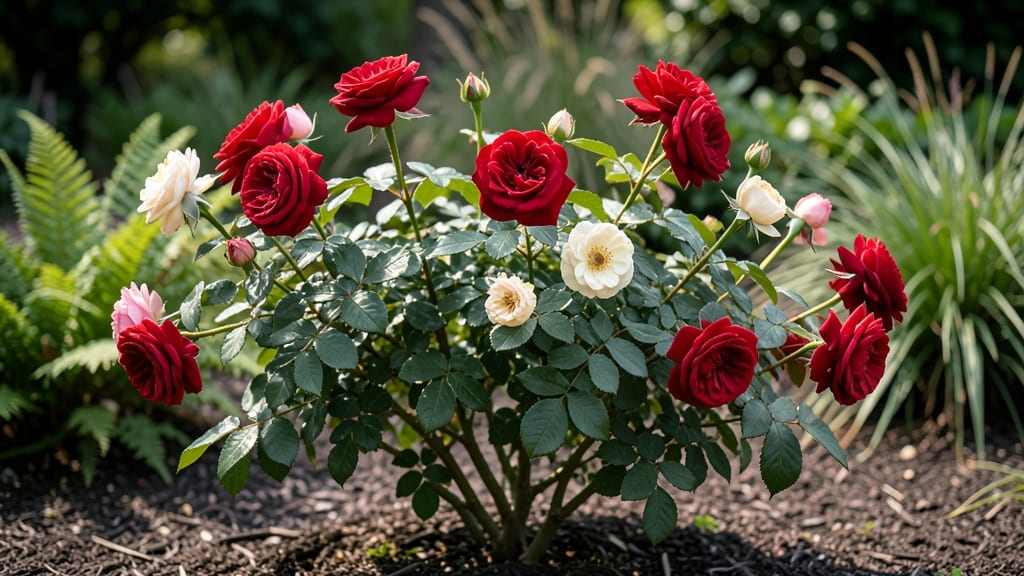
Seattle WA’s rose gardens offer some of the Pacific Northwest’s most breathtaking floral displays, with iconic spots like the Seattle Rose Garden in Volunteer Park and the Washington Park Arboretum showcasing rare climbers, hybrid teas, and vibrant seasonal blooms from spring through fall. Plan your visit during peak bloom (June–August) for guided tours and historic variety highlights.
Seattle’s rose gardens aren’t just pretty—they’re living museums of horticultural history, blending classic varieties with Pacific Northwest resilience. 🌸 The Seattle Rose Garden, maintained by volunteers since 1906, features over 500 roses including David Austin’s English varieties, while the Washington Park Arboretum’s collection spans 1,200 types across 230 acres.
What makes these gardens special is their year-round appeal: spring’s delicate blooms give way to summer’s bold displays, and even fall offers fragrant climbers like 'Zephirine Drouhin'.
For the best experience, time your visit with the Seattle Rose Festival in June, when the city hosts special events and tours. Pro tip: arrive early to avoid crowds at the Volunteer Park garden, and don’t miss the Japanese Garden next door—a perfect pairing for photography.
Whether you're a rose enthusiast or just love vibrant scenery, Seattle’s gardens deliver a sensory experience that’s hard to match in any other city.
💡 In This Article
- Best Seattle Rose Gardens for Seasonal Blooms and Varieties
- Tips for Visiting Seattle’s Rose Gardens Like a Local
Best Seattle rose gardens for seasonal blooms and varieties
The Seattle Rose Garden in Volunteer Park is a masterpiece of horticultural design, featuring over 500 roses meticulously arranged in themed sections like the David Austin English Roses and Heirloom Climbers.
These varieties thrive in Seattle’s mild, maritime climate, where consistent moisture and moderate temperatures (rarely dropping below 32°F) prevent winter die-off.
The garden’s spring blooms (March–May) showcase delicate varieties like 'Gertrude Jekyll,' while summer (June–August) peaks with bold hybrids such as 'Double Delight'—a David Austin creation known for its 100+ petals and intoxicating fragrance. 🌸
The Washington Park Arboretum, spanning 230 acres, offers a broader spectrum of roses, including rare species like the Noisette roses (originally from the American South) and China roses, which flourish in the arboretum’s diverse microclimates.
Unlike the structured layouts of Volunteer Park, this garden mimics natural woodlands, with climbers like 'Blaze' draping over 30-foot arches and ground covers like 'The Fairy' creating lush carpets.
The arboretum’s fall displays (September–October) feature late-blooming varieties such as 'Mister Lincoln,' whose deep red blooms contrast beautifully against the park’s autumn foliage.
Discovery Park’s rose collection, though smaller, stands out for its coastal resilience. Salt-tolerant varieties like 'Carefree Beauty' thrive here, where wind and salt spray challenge traditional roses. This garden’s summer peak (July–September) aligns with Seattle’s driest months, ensuring optimal blooming conditions.
The park’s wildflower meadows nearby also attract pollinators, creating a dynamic ecosystem that enhances the roses’ vitality. For gardeners, this diversity offers inspiration for Pacific Northwest-friendly landscaping. ✨
What sets Seattle’s gardens apart is their volunteer-driven maintenance. The Seattle Rose Society, founded in 1906, prides itself on preserving historic varieties while introducing climate-adapted hybrids. For example, the 'Seattle Superb' rose—a local favorite—was developed to withstand the region’s mild but wet winters.
This hands-on approach ensures each garden reflects both horticultural excellence and community stewardship, making them living laboratories for rose cultivation. 🌿
Visitors often overlook the aroma differences between varieties. Fragrant roses like 'Mister Lincoln' release their scent most intensely in morning sunlight, while climbers such as 'New Dawn' emit a lighter, citrusy fragrance in the afternoon. Understanding these patterns can transform a simple visit into a sensory journey.
For example, the Japanese Garden adjacent to Volunteer Park offers a serene contrast, where the scent of roses blends with pine and bamboo aromas, creating a multi-layered experience. 💫
Each garden’s bloom timeline also reflects Seattle’s unique climate. While Volunteer Park’s roses peak in summer, the arboretum’s late-season varieties extend enjoyment into fall.
This staggered blooming ensures that no matter when you visit, you’ll find vibrant colors and intoxicating scents—proof that Seattle’s rose gardens are engineered for year-round beauty. 🌺