
Watering
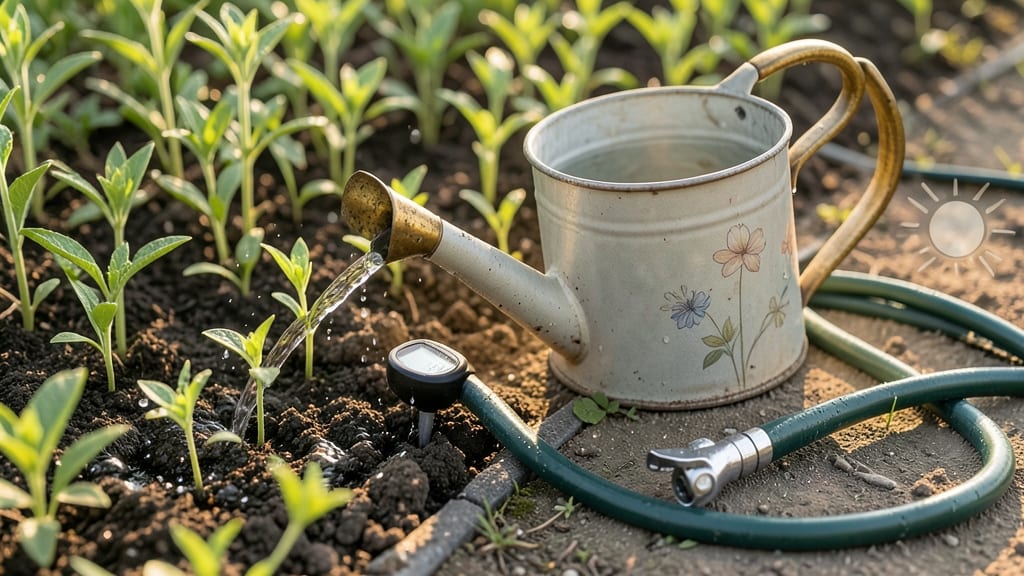
Watering your vegetable garden every day isn’t always the best move—it depends on soil, plants, and weather, not just a one-size-fits-all schedule.
Picture this: your 🥬 thrives one week but wilts the next, even though you’re watering daily. The issue? Overwatering can suffocate roots, while underwatering stresses plants. The key is understanding when to adjust your routine.
Leafy greens like lettuce crave consistent moisture, while root crops such as carrots prefer deeper, less frequent watering. Climate plays a role too—hot, dry days demand more attention than cool, damp mornings.
Below, I’ll break down the science-backed watering schedule, signs your garden is thirsty (or drowning), and smart techniques to keep your harvest healthy without daily effort.
How often to water vegetable gardens: science-backed frequency guidelines
Watering your vegetable garden isn't a one-size-fits-all task—it depends on plant types, soil drainage, and weather conditions. While some crops like leafy greens need frequent moisture, root vegetables prefer deeper but less frequent watering.
Understanding these differences prevents both underwatering and overwatering, both of which harm growth.
Daily watering might seem safe, but it can lead to root rot or fungal diseases if not managed properly. Instead, focus on deep watering sessions that encourage strong root development. The key is providing 1-2 inches of water per week, adjusted for your local climate and soil type.
Soil type plays a critical role—sandy soil drains quickly, often requiring daily watering in hot weather, while clay soil holds moisture longer, allowing for every-other-day watering.
Conduct a simple soil moisture test by sticking your finger 1-2 inches into the soil; if it feels dry, it's time to water.
Seasonal shifts also demand adjustments. In summer heat, most vegetables need watering every 1-2 days, while spring and fall typically require watering every 2-3 days. Winter slows growth, reducing needs to bi-weekly watering or less, depending on frost.
For leafy greens like lettuce and spinach, shallow but frequent watering keeps them crisp. These plants thrive with 1-2 inches of water every 1-2 days in summer, but reduce to every 2-3 days in cooler months. Overwatering these crops leads to bolting (premature flowering) or fungal infections.
Root vegetables such as carrots and potatoes need deep watering every 2-3 days to prevent cracking or deformities. Unlike leafy greens, they prefer consistent moisture at the root zone rather than frequent surface watering. Sandy soils may require daily checks, while clay soils can go longer between waterings.
Fruiting plants like tomatoes and peppers are the most sensitive to watering inconsistencies. They need 1-2 inches of water every 1-2 days, especially during flowering and fruiting stages.
Skipping watering can cause blossom end rot, while overwatering leads to cracked fruits or root diseases. Mulching helps maintain even moisture.
Herbs like basil and cilantro prefer light, frequent watering but hate soggy soil. Water them every 1-2 days, ensuring the top inch of soil stays moist. These plants often show stress through wilting or brown tips, signaling the need for adjustment in your watering routine.
Always water in the early morning to reduce evaporation and fungal risks. Avoid evening watering, as damp foliage overnight invites pests and diseases. Use a soaker hose or drip irrigation to deliver water directly to the roots, minimizing waste and maximizing efficiency.
Monitor your garden closely—adjust your schedule based on weather forecasts, soil moisture, and plant responses. A well-watered vegetable garden is the foundation of a thriving harvest, but balance is key to avoiding common pitfalls. 🌱
Signs your vegetable garden needs water (vs. overwatering) today
Deciding whether your vegetable garden needs water today can feel like guessing—until you learn the visual cues and physical tests that reveal the truth. Plants like tomatoes and peppers wilt dramatically when thirsty, while others like lettuce show subtle yellowing at the edges.
The key is checking both leaf condition and soil moisture before reaching for the hose.
Start by examining the leaves and stems of your plants. Wilting (leaves drooping or curling) is the most obvious sign of thirst, but morning wilting that recovers by afternoon often means the roots need deeper hydration.
For leafy greens, check for soft, limp leaves, while root vegetables like carrots may show cracked soil around their bases.
Should I Water My Vegetable Garden Every Day?
✅ DO Water Daily If:
- Soil feels dry 1-2 inches down
- Temperatures exceed 85°F (evaporation spikes)
- Leafy greens wilt by midday (e.g., spinach, kale)
- Newly transplanted seedlings (first 2 weeks)
- Sandy soil drains too quickly
❌ DON'T Water Daily If:
- Soil stays damp 3+ inches down (risk of rot)
- Yellowing leaves with mushy stems (overwatering)
- Fungal spots (e.g., powdery mildew on cucumbers)
- Mulch retains moisture (check 3 inches deep)
- Rainfall >1 inch in past 48 hours
Pro Tip: Use a soil moisture meter or stick your finger 2 inches deep—if it feels dry, water deeply. If moist, wait 1-2 days.
Don’t rely solely on wilting—soil tests are equally critical. Stick your finger 2-3 inches deep into the soil. If it feels dry and crumbly, your plants need water immediately. For clay soil, which holds moisture longer, wait until the top 3 inches feel dry.
A simple trick: Grab a handful of soil—if it falls apart easily, it’s dry; if it holds shape, it’s still moist.
Root health is another silent indicator. Gently pull on a leaf—if it resists, roots are healthy. If it slips out easily, the plant is severely dehydrated and needs immediate watering.
For root crops like beets or radishes, cracked soil around the base signals thirst, while mushy soil suggests overwatering. Always water deeply (1-2 inches) to encourage strong roots.
Season and plant type also dictate your approach. Leafy greens like basil or lettuce need frequent watering (every 1-2 days in heat), while root vegetables like carrots or potatoes prefer consistent moisture but tolerate slightly drier soil. Tomatoes and peppers wilt fastest in heat, so monitor them closely—drip irrigation near the base helps prevent leaf burn from overhead watering.
Overwatering is just as damaging as underwatering. Look for yellowing leaves, mushy stems, or fungal growth like white powder on leaves—these are red flags. If your soil smells sour or rotten, it’s waterlogged.
Let the top 2 inches dry out between waterings in cooler months, and always water early in the morning to reduce fungal risks.
By mastering these visual and tactile checks, you’ll avoid the guesswork. Most vegetable gardens thrive on deep watering every 2-3 days in summer, adjusting for rain and soil type. Trust your plants—they’ll tell you what they need if you know how to listen.