
Planting
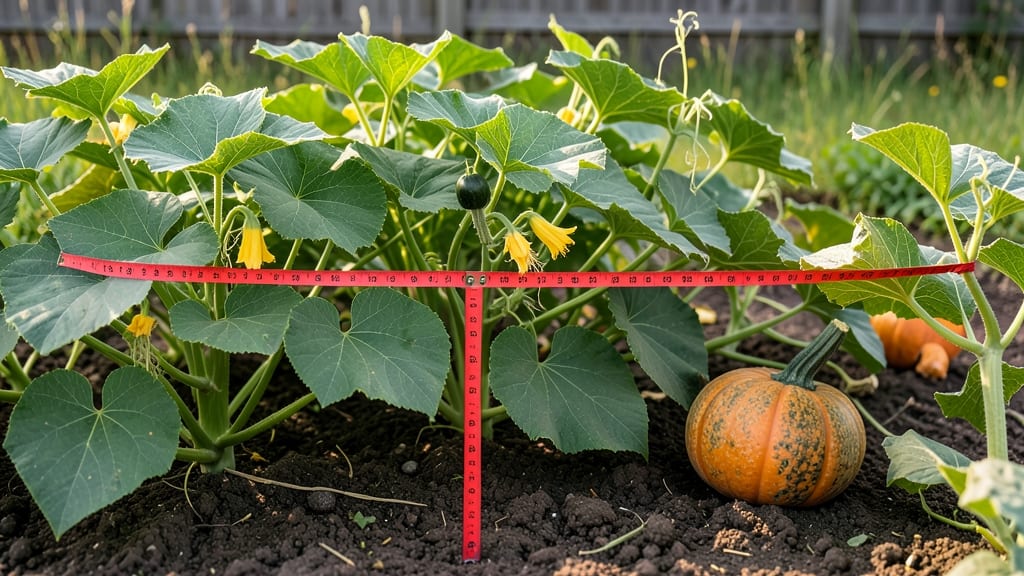
Growing squash with the right spacing in your garden is the key to avoiding crowded vines, stunted fruit, and wasted space 🎃 — and it starts with knowing exactly how far apart to plant each variety.
If you’ve ever watched your zucchini leaves yellow or your pumpkins shrivel before ripening, you’re not alone. The problem isn’t always soil or water—it’s how much room those hungry vines need to thrive. Too close, and they’ll fight for nutrients; too far, and you’ll miss out on a bumper crop.
Below, I break down the perfect spacing for summer squash (like zucchini), winter squash (such as butternut), and even giant pumpkins—plus how to adjust for trellises or small spaces.
You’ll learn why airflow matters, how to spot overcrowding early, and the one trick that lets you squeeze in more plants without sacrificing yield.
Ready to turn your garden into a squash powerhouse? Let’s get started with the spacing rules that actually work.
Optimal squash spacing by variety: bush vs. vining types
Getting your squash spacing right can transform a struggling garden into a high-yielding powerhouse. Unlike leafy greens that tolerate crowding, squash plants need room to thrive and produce.
Proper spacing ensures better airflow, reducing fungal diseases like powdery mildew, while giving vines space to spread and fruits room to develop without competing for nutrients. Whether you're growing bush varieties like pattypan squash or sprawling vining types like butternut, the right layout maximizes your harvest per square foot.
I’ve planted everything from zucchini to heirloom pumpkins, and the difference between cramped plants and well-spaced vines is night and day. Overcrowded squash plants produce smaller fruits, struggle with pests, and often fail to mature properly.
Meanwhile, plants with ample space develop stronger vines, larger leaves for photosynthesis, and more energy to produce abundant, high-quality fruit. Let’s break down the exact spacing you need for each type, plus how to adjust for trellising or container growing.
Why spacing matters goes beyond just yield. Proper spacing improves disease resistance by allowing air to circulate, reduces competition for water and nutrients, and makes it easier to monitor plants for pests. For example, vining winter squash like pumpkins need wide spacing to support their heavy fruits, while bush summer squash can thrive in tighter quarters. Even within these categories, varieties vary—so let’s dive into the specifics.
| Variety Type | Plant Spacing (ft) | Row Spacing (ft) | Hill Spacing (ft) | Notes |
|---|---|---|---|---|
| Bush Summer Squash (Zucchini, Patty Pan) | 2-3 ft | 3-4 ft | N/A (direct sow) | Compact vines; ideal for small gardens. Prune to control size. |
| Semi-Bush Summer Squash (Golden Zucchini) | 3-4 ft | 4-5 ft | N/A | Balanced spread; good for containers with support. |
| Vining Summer Squash (Straightneck) | 4-5 ft | 5-6 ft | N/A | Long vines; trellis to save space. |
| Winter Squash (Butternut, Acorn) | 3-4 ft | 5-6 ft | 4-5 ft | Heavy fruits need wide spacing; trellis for butternut. |
| Winter Squash (Pumpkin, Giant Varieties) | 5-6 ft | 8-10 ft | 6-10 ft | Massive vines; dedicate entire beds to one plant. |
| Heirloom/Unique Varieties (e.g., Turban, Hubbard) | 4-5 ft | 6-8 ft | 5-6 ft | Check seed packets; some need extra space for odd shapes. |
| Container-Grown Squash (Any Variety) | 1 plant per 5-gallon container | N/A | N/A | Use bush types; trellis vining varieties vertically. |
For bush squash varieties like zucchini or pattypan, I recommend planting seeds 2-3 feet apart in rows spaced 3-4 feet apart. These compact plants stay manageable and produce prolifically without needing much room.
If you’re short on space, you can even squeeze them into 18-inch spacing, but expect slightly smaller yields. I’ve found that pruning excess leaves and vines helps redirect energy to fruit production when space is tight.
When it comes to
Square foot gardening layouts for squash: how to fit more plants in less space
Square foot gardening transforms small spaces into high-yield zones, and squash thrives in this system when planted strategically. The key is balancing vine growth with air circulation—especially for vining varieties like butternut or spaghetti squash.
Bush types (zucchini, pattypan) adapt better to tight grids, while vining varieties need vertical training or pruning to maximize square footage.
Start by choosing your grid size based on your squash type. A 1x1-foot grid works best for bush varieties, while 2x2-foot grids accommodate small vining plants with trellising. For larger vining squash, a 3x3-foot grid gives roots and vines room to spread without crowding.
Always prioritize companion plants like radishes or beans to fill gaps and improve soil health.
-
1x1-Foot Grid (Bush Varieties)
1 plant
-
2x2-Foot Grid (Small Vining)
2-3 plants + trellis
-
3x3-Foot Grid (Large Vining)
1 plant + pruning
-
Companion Planting Tips
Radishes, beans, or lettuce
-
Pruning Technique
Remove lateral shoots
For 1x1-foot grids, plant 1 bush squash per square. Varieties like 'Eight Ball' zucchini or 'Patty Pan' squash stay compact and produce abundantly in tight spaces. Use compost-rich soil to compensate for limited root space, and water consistently to prevent stress.
If growing radishes or lettuce as companions, plant them around the edges of the grid to avoid competing for sunlight.
In 2x2-foot grids, dedicate half the space to a small vining squash like 'Spaghetti Squash' or 'Delicata', and train vines vertically using a trellis. This frees up the remaining square for fast-growing companions like bush beans or radishes.
Prune vines regularly to encourage upward growth and prevent sprawling, which can smother nearby plants.
For 3x3-foot grids, limit to 1 large vining squash like 'Butternut' or 'Hubbard', but use aggressive pruning to control spread. Remove lateral shoots that grow below the main vine to redirect energy to fruit production.
Pair with deep-rooted companions like corn or sunflowers to maximize vertical space and improve air circulation around the squash.
Monitor your squash plants weekly for signs of overcrowding, such as yellowing leaves or powdery mildew. Adjust pruning or thinning as needed, and always prioritize airflow to prevent disease. With these layouts, you’ll harvest more squash in less space—without sacrificing plant health or yield.