
Pests
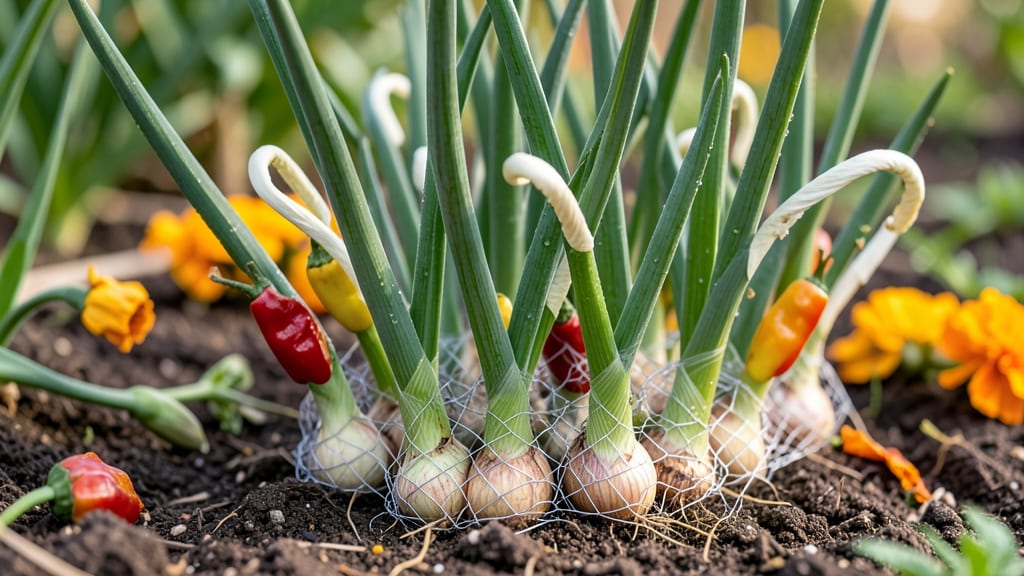
A squirrel-proof garden needs multiple layers of protection, including hardware cloth barriers in raised beds, strong-smelling repellent sprays, and squirrel-resistant plants like daffodils or marigolds. Adding motion-activated sprinklers creates an extra deterrent that keeps them away.
A squirrel-proof garden isn't about one trick—it's about combining smart strategies that disrupt their digging, scent-tracking, and nesting instincts. 🌱 Squirrels are persistent, so hardware cloth (not chicken wire) is your best physical defense, especially around raised beds where they love to dig for bulbs.
I've found that pairing this with natural deterrents like castor oil sprays or planting daffodils (which they avoid) creates a multi-layered system that actually works. The key is consistency: even one unprotected spot can undo all your efforts.
For maximum effectiveness, focus on their seasonal patterns—spring and fall are peak digging times when they're preparing for winter. Motion-activated sprinklers are particularly useful during these periods, as squirrels will quickly learn to avoid areas that spray them unexpectedly.
This combination of physical barriers, scent deterrents, and strategic planting creates an environment that's simply too challenging for them to overcome.
💡 In This Article
- Understanding Squirrel Behavior and Garden Vulnerabilities
- Best Physical and Natural Barriers for Squirrel-Proofing
Understanding squirrel behavior and garden vulnerabilities
Squirrels target gardens primarily through their digging instincts, which are driven by both food-seeking and nesting behaviors. These rodents have powerful claws designed for excavating soil, and they can dig holes up to 12 inches deep in just minutes.
Their scent-tracking abilities are equally impressive—they can detect buried nuts or bulbs from 3-4 feet away by sniffing the air for volatile organic compounds released by plant roots. 🌿 This explains why traditional in-ground planting often fails: even a single unprotected bulb can attract a squirrel's attention and trigger a full excavation effort.
Their seasonal patterns are another critical factor. Squirrels are most active in spring (when they cache food for winter) and fall (when they prepare their winter stash). During these periods, they'll dig relentlessly, often creating networks of tunnels that can ruin entire garden beds.
Traditional planting methods—like scattering bulbs directly into soil—exploit this behavior by making it easy for squirrels to find and dig up your plants. The key insight is that squirrels don't just dig randomly; they follow scent trails and patterns they've learned from previous successful digs.
One of the most vulnerable spots in any garden is the base of trees and shrubs, where squirrels often nest and store food. They'll gnaw through bark or dig around roots to create hidden caches, which explains why even healthy-looking plants can suddenly wither.
The texture of freshly turned soil also attracts them—the crumbly, loose consistency is perfect for their digging style. This is why mulch alone isn't enough; you need to combine it with physical barriers that disrupt their ability to access the soil.
Squirrels also exploit human planting habits by targeting newly planted areas where the scent of fresh soil and roots is strongest. Their nesting instincts kick in during late summer and early fall, when they seek out protected spaces to raise their young.
This means that any garden bed left unprotected during these months becomes prime real estate for squirrel activity. The solution lies in understanding these patterns and creating barriers that are both physical and sensory—disrupting their digging while also masking the scents that attract them.
Another behavioral quirk is their tendency to follow visual cues. Squirrels often dig near garden edges or along fence lines because these areas provide easy access and escape routes. This explains why raised beds with exposed sides can become magnets for squirrel activity.
The contrast between the protected center and vulnerable edges creates an irresistible opportunity for them to dig. By recognizing these patterns, you can strategically place barriers where squirrels are most likely to attack.
Finally, their social nature plays a role. Squirrels often work in groups during peak digging seasons, meaning that one successful dig can quickly become many. This collective behavior makes it essential to create a uniform barrier system across your entire garden, rather than relying on spot treatments.
The moment one area becomes accessible, the whole system is compromised. 🐿️ This is why layered defenses—combining physical barriers with scent deterrents—are so effective at disrupting their coordinated efforts.