Tools
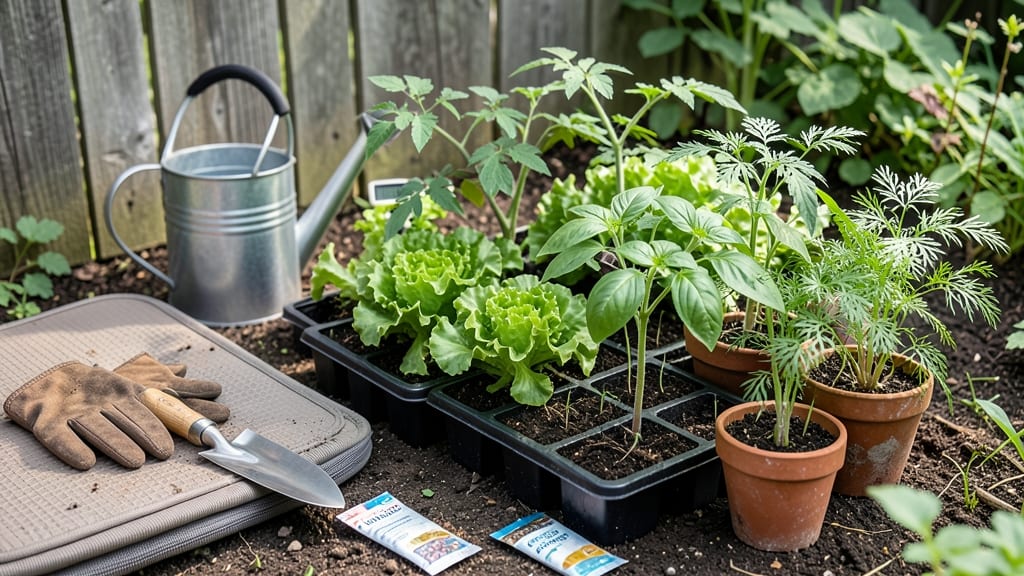
Gardening steps turn a blank patch of dirt into a thriving oasis—even if you’ve never held a trowel before.
Picture this: You’re staring at a barren plot, wondering where to start, when to plant, and how to keep everything alive. The good news? A simple timeline makes it manageable, from soil prep to harvest. No green thumb required.
This guide breaks down the essential tasks into clear, actionable steps—soil testing, planting schedules, watering tips, and seasonal care—all tailored for beginners. Whether you’re growing veggies, flowers, or herbs, you’ll learn what to do, when to do it, and how to troubleshoot common mistakes.
By the end, you’ll have a confident plan to turn your garden dreams into reality, one season at a time. Let’s dig in!
Week-by-week gardening steps for first-time growers
Starting a garden can feel like navigating a maze, but breaking it down into week-by-week steps turns confusion into confidence. Whether you're planting vegetables, flowers, or herbs, this timeline keeps you on track from soil prep to harvest.
I’ll walk you through each phase, so you can celebrate small victories along the way—like your first sprouts breaking through the soil! The key is consistency, not perfection.
Before you even plant a seed, focus on soil preparation. Healthy soil is the foundation of a thriving garden. Test your soil’s pH (aim for 6.0–7.0 for most plants) and amend it with compost or aged manure.
If your soil is heavy clay or sandy, mix in organic matter like peat moss or coconut coir. This step might take a few weeks, but it’s worth the effort—your plants will thank you with stronger roots and better yields.
Here’s your week-by-week roadmap to gardening success, designed for beginners. Use this as your guide to stay organized and avoid overwhelm.
Once your seeds sprout, resist the urge to overwater. Consistent moisture is key—aim for 1 inch of water per week, delivered in the morning to reduce evaporation and fungal risks. Use a rain gauge or tuna can to measure water depth accurately.
If your garden is in full sun, you’ll need to water more frequently, especially during heatwaves. Mulching with straw or wood chips helps retain moisture and suppresses weeds.
By week 6, you’ll likely see your first true leaves emerging. This is your cue to thin seedlings if they’re crowded—snip or pull excess plants to give the remaining ones room to grow.
For example, carrots need 2–3 inches of space, while lettuce can tolerate closer spacing. This step might feel harsh, but it ensures stronger, healthier plants with fewer pests.
As your garden matures, keep an eye out for pests and diseases. Early intervention is easier than treating an infestation. Remove yellowing leaves promptly, and spray affected areas with neem oil or a soapy water solution (1 tsp mild soap per quart of water).
Encourage beneficial insects like ladybugs by planting companion flowers such as marigolds or basil. Prevention is always better than cure!
By week 10, you’ll start harvesting your first crops—radishes, lettuce, or maybe even peas. Celebrate these small wins! They’re proof that your hard work is paying off.
As you harvest, leave some plants to flower and set seed (if you’re growing vegetables like tomatoes or peppers), which can lead to next year’s plants. Save seeds from your healthiest plants for a low-cost, organic gardening strategy.
Don’t forget to rotate crops each season to prevent soil depletion and disease buildup. For example, if you planted tomatoes in one spot this year, avoid planting nightshades (like peppers or eggplants) in the same area next year.
Instead, swap in legumes or brassicas. This simple practice keeps your soil balanced and your garden productive for years to come.
Critical gardening mistakes to avoid in every season
Even experienced gardeners can fall into common traps that stunt plant growth or invite pests. Overwatering is one of the most frequent mistakes—many plants prefer well-draining soil and drown when kept too wet.
I’ve seen tomatoes and peppers rot from soggy roots, even when watered daily. The key is checking soil moisture before watering.
Another silent killer is ignoring soil pH. Most vegetables thrive in slightly acidic to neutral soil (6.0-7.0), but many gardeners never test their soil. Blueberries, for example, need acidic soil (4.5-5.5)—planting them in regular soil will leave you with stunted bushes.
A simple soil test kit solves this problem in minutes.
Pests also sneak in when we’re distracted. Aphids and spider mites multiply rapidly in warm weather, but many gardeners wait until plants are already damaged to act. I recommend weekly inspections of leaves and stems, especially on the undersides where pests hide.
🚨
⚠️ Top 3 Seasonal Gardening Mistakes
Spring: Planting too early before last frost (April 15 in Zone 6a). Solution: Use frost cloth or start seeds indoors.
Summer: Over-fertilizing during heatwaves. Solution: Switch to light feed and water deeply in mornings.
Fall: Skipping mulch before first frost (October 31). Solution: Apply 2-3 inches of mulch to protect roots.
Seasonal timing matters too. Succession planting is often overlooked, leading to empty garden beds mid-season. For example, after harvesting radishes in 30 days, replant with bush beans (60-day harvest) to maximize space. I’ve doubled my harvest by planning these overlaps.
Don’t forget pruning dead growth—leaving behind yellowed leaves or brown stems can harbor diseases. Shears should be sharp and disinfected with rubbing alcohol between plants to prevent cross-contamination. I prune herbs like rosemary in early spring to encourage bushier growth.
Finally, neglecting tool maintenance can backfire. Rusty shears or clogged hoses waste time and effort. After each use, wipe tools with a damp cloth and store them in a dry place.
I keep a small toolkit with oil for hinges and a bucket of soapy water for cleaning blades—it’s saved me hours of frustration over the years.
By avoiding these mistakes, your garden will thrive year-round, whether you’re battling spring frosts, summer heat, or fall pests. Small adjustments make a big difference! ✂️