
Tools
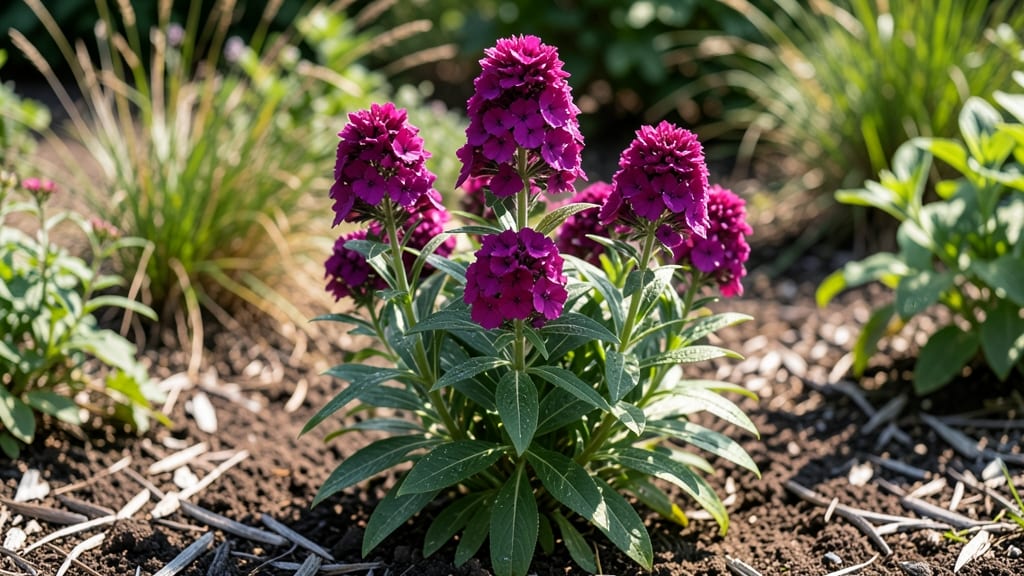
Growing the tallest garden phlox 🌸 can transform your garden into a striking vertical focal point, with some varieties reaching 5 to 6 feet or more.
If you dream of towering floral displays that turn your garden into a breathtaking vertical masterpiece, you’re not alone—but not all phlox varieties deliver that kind of height. The right choices and proper care make all the difference, especially when it comes to pruning and spacing.
In this guide, we’ll explore the top 5 tallest garden phlox varieties that exceed 5 feet, along with pruning secrets to maximize their dramatic height. Whether you’re designing a cottage garden or a layered border, these phlox will add drama and structure.
You’ll also discover how to support extra-tall phlox with staking and companion plants, ensuring your garden stays both stunning and functional. Let’s get started!
5 Tallest garden phlox varieties that exceed 5 feet (height & care guide)
If you're craving vertical drama in your garden, the tallest garden phlox varieties deliver stunning 5- to 6-foot floral spires that create instant focal points.
These Phlox paniculata giants thrive in USDA Zones 4-8 and bloom from mid-summer to early fall, offering weeks of color when many other perennials fade. But not all tall phlox are created equal—some need sturdy support, while others flop without proper care.
Here are my top 5 towering varieties that will make your garden the envy of the neighborhood.
Before we dive in, here’s the secret to their success: rich, well-draining soil, full sun exposure, and strategic pruning. Skimp on any of these, and you’ll end up with leggy, floppy stems instead of the bold vertical statements you’re after.
Let’s explore the tallest performers and how to coax them to their full height potential.
🌸
| Variety | Mature Height | Bloom Time | Sunlight Needs | Soil pH | Best For |
|---|---|---|---|---|---|
| ‘David’ | 5–6 ft | July–September | Full sun | 6.0–7.0 | Backdrop plant, cottage gardens |
| ‘Miss Wilford’ | 4–5 ft | August–October | Full sun to partial shade | 6.0–7.5 | Cut flowers, borders |
| ‘White Admiral’ | 5–6 ft | July–September | Full sun | 6.0–7.0 | Formal gardens, white-themed beds |
| ‘Blue Paradise’ | 4–5 ft | July–August | Full sun to partial shade | 6.0–7.0 | Wildflower gardens, pollinator-friendly |
| ‘Lipstick’ | 5–6 ft | August–September | Full sun | 6.0–7.0 | Statement plant, containers |
First on my list is ‘David’, a pink powerhouse that reaches 5–6 feet with vibrant magenta blooms that hummingbirds adore. This variety is a dream for cottage gardens and backdrop planting, but it demands full sun and rich, fertile soil to hit its height potential.
Plant it in well-amended beds with compost for the boldest stems. If you’re in a hot climate, provide afternoon shade to prevent wilting before blooms even open.
For a cool-toned contrast, ‘White Admiral’ delivers pure white spikes that can top 6 feet when given the right conditions. Unlike many white flowers, it doesn’t scorch in the sun, making it perfect for southern gardens.
Pair it with deep purple salvias or blue delphiniums for a striking color block. Just remember: overcrowding leads to floppy stems, so space plants 18–24 inches apart for optimal airflow.
If you love romantic, old-fashioned charm, ‘Miss Wilford’ is a must-grow. With lavender-pink blooms and a classic phlox fragrance, it’s a cut flower favorite that also thrives in garden borders.
This variety is more forgiving than others, tolerating partial shade if you live in a hot, humid zone. To keep it upright, stake early—don’t wait until it’s already leaning!
🌿
Pruning secrets to maximize height: when, how, and what to avoid
To coax your tallest garden phlox to reach its full 5–6 foot potential, timing and technique matter more than you might think. Pruning at the wrong time—like after the first frost—can leave your plants stunted or vulnerable to disease.
The key is to work with nature’s growth cycles, not against them. I’ve pruned Phlox paniculata for years, and these seasonal pruning secrets will help you avoid common pitfalls that rob your plants of height and vigor.
Start with the spring pruning window, which is your golden opportunity to shape growth before the plant puts energy into blooms. This is when you’ll remove dead or weak stems while leaving healthy ones to thrive.
But here’s where many gardeners go wrong: they cut too late in the season or use dull tools that crush stems instead of cleanly severing them. Even a small misstep can reduce your phlox’s height by 1–2 feet by summer.
- Over-pruning in spring: Cutting more than 1/3 of the plant removes too much energy for regrowth.
- Using dull shears: Crushed stems invite disease and weaken the plant’s structure.
- Pruning in fall: Late cuts delay root hardening, leaving phlox vulnerable to winter damage.
- Neglecting deadheading: Letting spent blooms seed can divert energy from height growth.
For spring pruning, grab your sharp bypass pruners and target stems that are brown, mushy, or crossed. Aim to remove no more than 20–30% of the plant’s foliage, focusing on the outer stems to open up the center for airflow.
This reduces disease risk and lets sunlight penetrate, which is crucial for tall phlox varieties like ‘David’ or ‘White Admiral’ that need strong stems to support their weight.
After the first flush of blooms in mid-summer, switch to light deadheading—snipping off spent flower heads just above the next set of leaves. This trick keeps your phlox blooming longer and directs energy upward instead of into seed production.
I’ve seen phlox that would’ve topped out at 3 feet instead reach 5+ feet by deadheading consistently. Just avoid heavy pruning after July 1st, or you’ll cut back new growth before it matures.
Fall is for minimal cleanup only. Once your phlox has finished blooming and leaves start yellowing, trim back any dead or diseased stems to ground level. But here’s the catch: never prune after the first frost.
Cold weather stresses the plant, and fresh cuts can’t heal properly, making it more susceptible to rot. Instead, mulch around the base with 2–3 inches of compost to protect roots over winter.
Invest in the right tools to avoid mistakes. A pair of clean, sharp pruners (like Felco or Corona models) costs more upfront but saves time and prevents damage. Pair them with gloves and sanitizer to avoid spreading disease between cuts.
And if your phlox starts flopping by mid-summer, it’s not too late—install bamboo stakes or spiral ties to support stems without restricting growth. With the right pruning rhythm, your tallest garden phlox will reward you with vertical drama that turns heads all season long.