
Planting
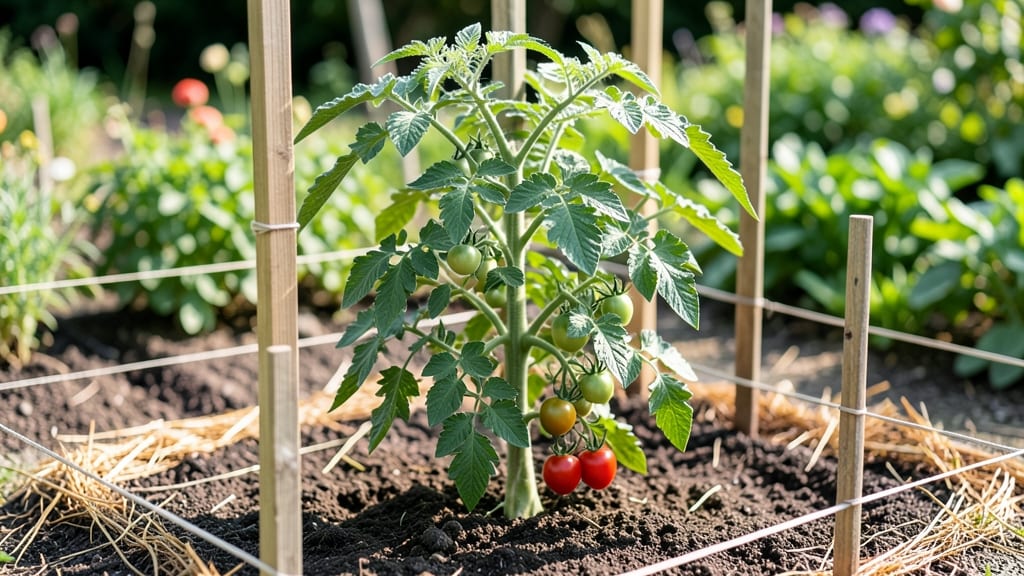
For tomato spacing in square foot gardens, plant 1 indeterminate tomato per square foot (18-inch spacing) and 4 determinate tomatoes per square foot (6-8-inch spacing) to prevent overcrowding and promote healthy growth.
Square foot gardening thrives on precision, and tomato spacing is no exception.
Indeterminate tomatoes—those that grow tall and vine—need plenty of vertical space to avoid tangling and disease, while determinate varieties stay compact, allowing more plants in the same area. 🌱 The key difference lies in their growth habits: indeterminate types focus energy on upward growth, while determinate types prioritize bushy, compact development.
This explains why you can fit four small determinate plants where only one sprawling indeterminate will thrive.
Proper spacing isn't just about numbers—it's about airflow. Crowded plants trap moisture, creating ideal conditions for fungal diseases like blight. That's why 18-inch spacing for indeterminate tomatoes (even with trellising) and 6-8 inches for determinate types become non-negotiable rules in square foot gardening.
The method ensures each plant gets the sunlight and circulation it needs to produce abundant, healthy fruit.
💡 In This Article
- Why Tomato Variety Affects Square Foot Spacing
- Square Foot Tomato Planting Guide by Type
Why tomato variety affects square foot spacing
Indeterminate tomatoes grow continuously throughout the season, producing vines that can reach 6-10 feet tall if unchecked. This vertical growth habit requires 18-inch spacing between plants to prevent vines from tangling and competing for sunlight.
Their sprawling nature also demands more root space—each plant develops an extensive root system that needs room to spread horizontally while climbing vertically. 🌿 The key is balancing upward growth with adequate ground clearance to maintain airflow around the foliage.
Determinate tomatoes, on the other hand, grow to a fixed height (typically 3-5 feet) and produce fruit all at once before dying back. Their bushy, compact growth allows for 4 plants per square foot because they don't need vertical support.
The smaller spacing works because determinate varieties focus energy on fruit production rather than vine elongation, creating a denser canopy that benefits from closer proximity. This compact growth also means their root systems are more contained, requiring less horizontal space.
Overcrowding creates a perfect storm of problems. When plants compete for resources, they develop weak stems that snap under fruit weight, and dense foliage traps moisture, creating ideal conditions for fungal diseases like early blight and septoria leaf spot.
The 18-inch rule for indeterminate types ensures vines have room to develop strong stems and proper leaf spacing for photosynthesis. For determinates, the 6-8 inch spacing prevents overcrowding while still allowing enough light penetration to all plants.
Another critical factor is how each type handles water and nutrients. Indeterminate tomatoes have a more extensive root system that needs space to absorb moisture and minerals efficiently. When crowded, these roots compete aggressively, leading to stunted growth and poor fruit development.
Determinate varieties, with their shallower root systems, can tolerate closer spacing because their water and nutrient needs are more localized. 💧 This biological difference explains why you can fit four determinate plants where only one indeterminate would thrive.
The science behind this spacing comes down to plant physiology. Indeterminate tomatoes prioritize vegetative growth (stems and leaves) over reproductive growth (fruit), while determinate varieties shift energy to fruit production once they reach maturity. This fundamental difference in growth strategy directly impacts how much space each type requires.
The square foot method capitalizes on these biological traits by giving each plant exactly the room it needs to perform at its best.