
Tools
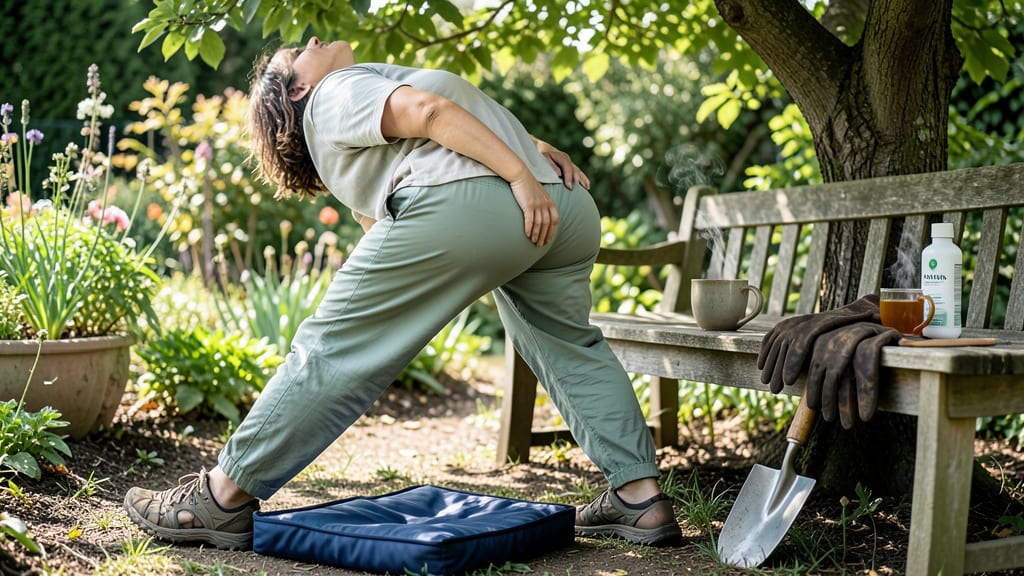
Treating lower back pain after gardening starts with resting the affected area, applying ice for 15-20 minutes, and using over-the-counter pain relievers like ibuprofen. Gentle stretching and proper posture adjustments can also ease discomfort while preventing future strain.
Gardening might feel therapeutic, but the repetitive bending, twisting, and heavy lifting can take a toll on your lumbar spine. 🔥 The good news is that most back pain from gardening responds well to simple, targeted care—starting with immediate relief strategies.
Physical therapists often emphasize the RICE method (Rest, Ice, Compression, Elevation) for acute pain, though compression and elevation are less critical here. What's more important is identifying which movements trigger your discomfort, like reaching for tools or pulling weeds, so you can modify your technique during future sessions.
Beyond the initial treatment, incorporating dynamic stretches like pelvic tilts or hamstring releases can significantly reduce stiffness. I've seen gardeners with chronic issues improve dramatically by adding just 5 minutes of targeted mobility work before and after their gardening sessions.
The key is consistency—your back won't thank you for waiting until the pain flares up again to start moving properly.
💡 In This Article
- Why Gardening Triggers Lower Back Pain
- Physical Therapist-Approved Stretches for Gardeners
Why gardening triggers lower back pain
Gardening may seem like a gentle activity, but the biomechanics behind it create significant stress on your lumbar spine. The combination of forward bending (reaching for plants or pulling weeds) and rotational twisting (turning to access different areas) places immense pressure on the intervertebral discs in your lower back.
Physical therapists often point out that these repetitive motions can cause micro-tears in the muscles surrounding your spine, especially if you're not using proper form.
Let's break down the mechanics: When you bend at the waist to pick up a 5-10 pound bag of soil, your spine compresses under its own weight plus the load. This compression increases pressure on the lumbar discs by up to 400% compared to standing upright.
Adding twisting motions—like turning to reach for tools—further strains the facet joints, which can lead to sharp, localized pain. The repetitive nature of gardening means these stresses accumulate over time, often resulting in delayed-onset muscle soreness or even disc irritation.
Soil conditions play a surprising role too. Working in hard, compacted soil requires more force to dig or pull weeds, increasing muscle tension. Meanwhile, kneeling for extended periods compresses the sciatic nerve pathways, which can radiate pain from your lower back down your legs.
Even ergonomic tools can't fully compensate if you're maintaining poor posture—like hunching over or lifting with your back instead of your legs. 🔥
What most people don't realize is how tool design contributes to the problem. Heavy, awkwardly-shaped tools force you to twist or lean unnaturally. A standard 12-inch trowel, for example, requires you to bend deeper than necessary, while a poorly-balanced rake can pull you off-center.
These seemingly small factors add up, creating cumulative strain that your lower back muscles weren't designed to handle repeatedly.
Physical therapists often identify three key gardening postures that trigger pain: the "weed-puller's stoop" (prolonged forward bending), the "tool-twister" (repetitive rotational movements), and the "kneeling crunch" (compressed posture with legs extended).
Each of these positions increases intra-abdominal pressure, which pushes spinal discs outward against their protective ligaments. Over time, this can lead to inflammation and reduced mobility in the lumbar region.
The good news is that understanding these mechanics lets you make targeted adjustments. For instance, using a long-handled tool reduces bending depth, while maintaining three points of contact (one foot, one hand, one knee) when moving helps stabilize your spine.
These small changes can dramatically reduce the stress on your lower back during gardening sessions. 💫