
Tools
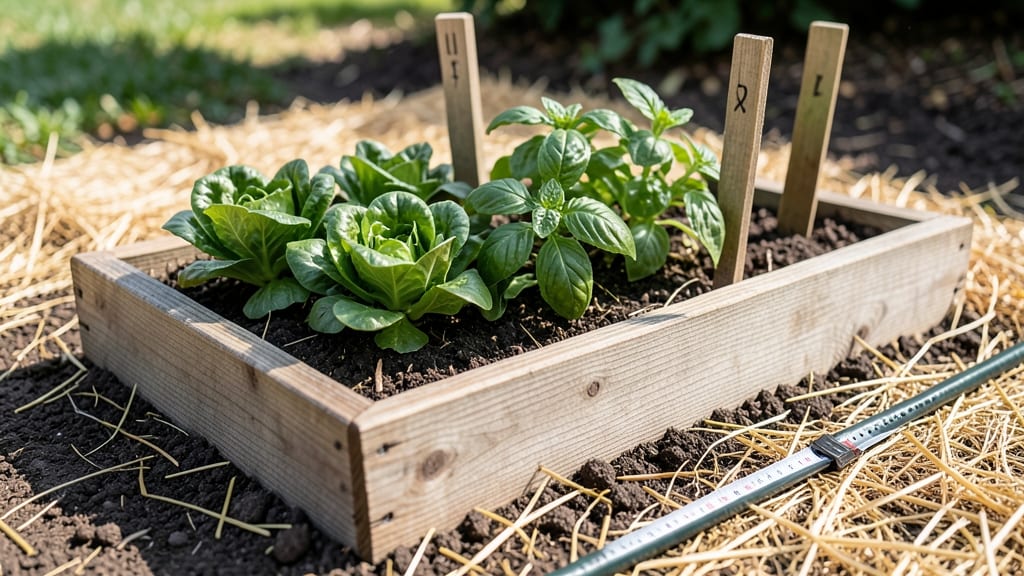
Typical raised garden bed sizes range from 4 feet long by 2 feet wide to 8 feet long by 4 feet wide, with a depth of 6 to 12 inches for optimal plant root growth and accessibility. Standard widths allow easy reach from both sides, while lengths vary based on space and layout preferences.
Raised garden bed dimensions are designed to balance practicality with plant health.
The standard 4-foot width ensures you can reach the center without stepping inside, while lengths from 4 to 8 feet maximize growing space without overwhelming small yards. 🌱 Depth matters too—6 to 12 inches provides enough soil volume for most vegetables while improving drainage and temperature control.
Many gardeners start with these sizes but customize based on their specific needs, like vertical stacking or narrow beds for tight spaces.
Professional recommendations often highlight how these dimensions optimize soil quality and plant spacing. For example, a 4x4-foot bed is ideal for beginners because it's manageable yet productive, while longer beds (like 8x4 feet) work well for larger yards or communal gardens.
The key is ensuring the bed isn't so wide that you can't tend to it comfortably—accessibility is just as important as size.
💡 In This Article
- Optimal Raised Garden Bed Dimensions for Plant Growth
- Customizing Raised Garden Bed Sizes for Small Spaces
Optimal raised garden bed dimensions for plant growth
The 4-foot width standard isn't arbitrary—it's rooted in ergonomics and plant biology. When you stand at the center of a 4-foot-wide bed, your arms can comfortably reach 18-24 inches on either side without stepping inside.
This eliminates the need for bending or kneeling, reducing strain on your back and knees. 🌿 Meanwhile, the 6-12 inch depth creates an ideal root zone: shallow-rooted veggies like lettuce thrive in 6-8 inches, while deeper crops (carrots, potatoes) need 10-12 inches to prevent root binding.
Soil volume plays a critical role too. A 4x4-foot bed with 10 inches of soil contains roughly 1.3 cubic feet of growing space—enough for 16-20 plants spaced 12-18 inches apart.
Compare that to a 4x8-foot bed, which holds 2.7 cubic feet of soil, perfect for larger crops or companion planting. The extra length also improves airflow between plants, reducing fungal diseases.
Professional horticulturists often recommend these sizes because they balance productivity with manageability—too wide, and weeds or pests become harder to control.
Depth affects more than just roots—it influences temperature and moisture retention. Deeper beds (10-12 inches) insulate soil better, protecting roots from extreme temperature swings that can stunt growth. Shallow beds (6 inches) warm up faster in spring but dry out quicker, requiring more frequent watering.
This is why many gardeners use 8-10 inches as a compromise: it accommodates most vegetables while improving drainage during heavy rains. 💧 The extra space also prevents soil compaction over time, which can suffocate roots.
Material constraints often lead to variations from these standards. Cedar or redwood beds (common DIY choices) typically come in 2x6 or 2x8-foot lengths, while metal or composite beds might be 4x4 or 4x6 feet.
The key is ensuring the bed's height (usually 2-4 feet tall) doesn't make filling or accessing it difficult. For example, a 4x8-foot bed filled with soil weighs about 1,200-1,600 pounds
One common misconception is that bigger always means better. While an 8x4-foot bed offers more growing space, it can become unwieldy to maintain. Studies show that gardeners are more likely to keep up with smaller beds (4x4 feet) because they're easier to rotate crops, mulch, and harvest. The 1:1 ratio (width to length) is ideal for most home gardens, but longer beds work well in commercial settings where machinery or drip irrigation systems are used. 🌱 Consider how bed dimensions interact with your local climate. In hot, dry regions, wider beds (3-4 feet) allow for taller plants (like tomatoes or corn) that provide shade to lower-growing crops. In cooler climates, narrower beds (2-3 feet) paired with cold frames can extend the growing season. The depth also matters: in areas with heavy clay soil, deeper beds (12 inches) improve drainage, while sandy soils benefit from shallower beds (6-8 inches) to retain moisture.