
Flowers
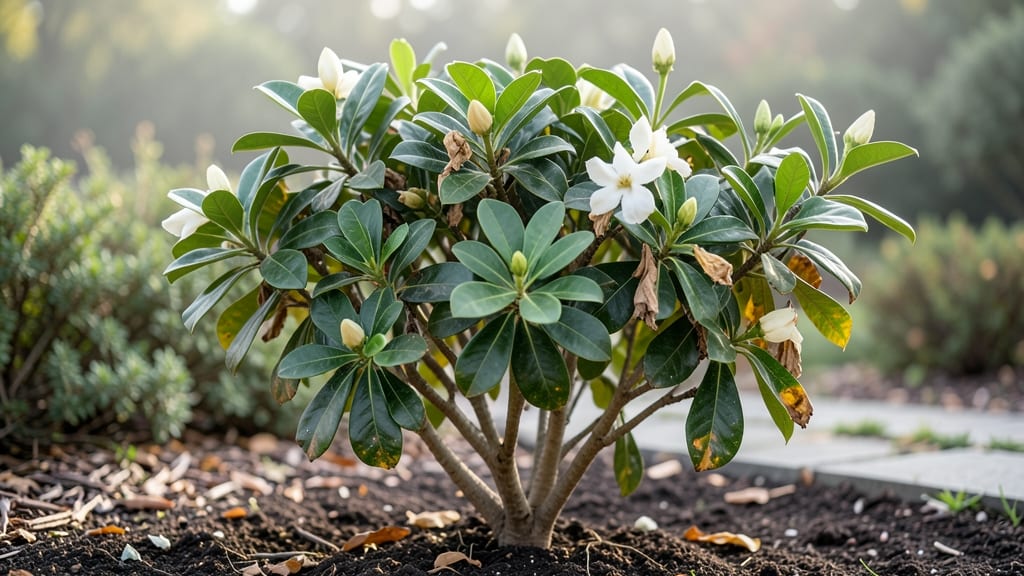
What do gardenias look like in the winter? They often lose their glossy leaves and fragrant blooms, revealing a dormant state that can look surprisingly stark 🌸 — but this is exactly how they survive the colder months.
If your gardenias have lost their lush foliage and fragrant blooms, don’t panic—this is completely normal for winter. Understanding what gardenias look like during dormancy helps you care for them properly and prepare for spring’s glorious rebirth.
In USDA Zone 6a and warmer regions, gardenias typically retain some evergreen foliage, though it may turn dull or yellowish. Cooler climates, however, often see full leaf drop, leaving bare stems that look almost skeletal.
Below, I’ll walk you through how to spot the difference between dormancy and decline, what to expect from your plant’s winter appearance, and how to give it the best chance at a vibrant comeback when spring arrives.
Visual signs of gardenia dormancy in winter: what to expect
When winter arrives, your gardenia shrubs undergo noticeable changes as they enter dormancy mode. This natural process helps them conserve energy for spring’s rebirth. The most obvious visual signs of dormancy include slowed growth and altered foliage, which can look quite different from their summer glory.
First, you’ll notice leaf color shifts from deep green to a muted, olive or yellowish hue. Some gardenia varieties may even develop bronze or reddish tinges on older leaves, especially in cooler climates. This color change signals the plant’s internal shift toward energy conservation.
The leaf drop is another key indicator. While gardenias aren’t fully deciduous, they’ll naturally shed 10-30% of their foliage during dormancy. Younger plants may lose more leaves, while mature gardenias often retain some evergreen leaves year-round, especially in warmer USDA zones 8-11.
Here’s what to expect with your gardenia’s winter appearance at a glance:
| Feature | Summer Appearance | Winter Dormancy Appearance | Key Notes |
|---|---|---|---|
| Leaves | Deep glossy green | Muted olive/yellow-green or bronze | 10-30% leaf drop; some evergreen varieties retain leaves |
| Stems | Flexible, green | Woody, brownish-gray | New growth stops; stems harden |
| Flowers | White, fragrant blooms | None (buds may form but won’t open) | Plant focuses energy on root growth |
| Growth Rate | Active 1-2 inches/month | Nearly zero growth | Roots remain active in mild climates |
| Regional Variation | Zones 8-11: Year-round growth | Zones 6-7: Partial dormancy; Zones 3-5: Fully dormant | Colder zones may lose all leaves |
Your gardenia’s stem appearance will also change dramatically. In summer, stems are flexible and green, but during dormancy, they become woody and brownish-gray. This hardening is the plant’s way of protecting itself from winter’s chill.
Don’t be alarmed if you see buds forming—these are just preparing for next year’s blooms but won’t open until spring’s warmth returns.
The growth slowdown is perhaps the most subtle but critical sign. While gardenias in USDA zones 8-11 may continue minimal growth, those in colder zones will show almost zero new growth. This pause allows the plant to redirect energy underground, strengthening its root system for spring’s revival.
Regional differences play a huge role in how your gardenia looks in winter. In mild climates (zones 8-11), gardenias may retain most of their leaves and continue minimal growth.
However, in cooler zones (6-7), you’ll see more leaf drop and woody stems. In very cold zones (3-5), gardenias may appear nearly bare, mimicking deciduous plants.
One common misconception is that winter leaf drop means your gardenia is dying. In reality, this is a normal dormancy response. The plant sheds leaves to reduce water loss and conserve energy.
By late winter or early spring, you’ll see new growth emerging from the base, signaling the end of dormancy and the start of the blooming season.
To prepare for spring, take note of these winter signs now. Healthy dormant gardenias have firm stems, minimal leaf drop, and no mushy or discolored areas. If you observe these traits, your gardenia is simply resting and will rebound beautifully with proper care when temperatures rise.
How to tell if your gardenia is dead vs. dormant in winter
When winter arrives, your gardenia may look dramatically different—leaves may drop, growth slows, and blooms disappear. But how do you know if it's normal dormancy or a sign of plant death? The key lies in understanding subtle differences in stem flexibility, bark texture, and root health.
Many gardeners mistakenly prune dormant gardenias, only to realize too late they were still alive. Let's break down the critical visual cues to save your plant.
First, check the stem flexibility. A dormant gardenia's stems bend slightly but snap when forced. If they're brittle and break like dry twigs, that's a red flag. Healthy dormant stems should have a slight greenish hue under the bark, while dead stems appear brown and hollow.
Don't rely solely on leaf presence—some gardenias retain a few leaves even when dormant, especially in milder climates like USDA Zone 9.
🌿 Dormant Gardenia vs. Dead Gardenia: Key Differences
Dormant Gardenia
- Stems: Flexible, slight green under bark
- Leaves: Some may remain (especially in mild winters)
- Bark: Smooth, intact with minor cracks
- Roots: White or light brown when checked
- Growth: No new shoots but no wilting
Dead Gardenia
- Stems: Brittle, snaps easily, no green under bark
- Leaves: Completely fallen or brown and crispy
- Bark: Peeling, sunken, or covered in mold
- Roots: Dark, mushy, or completely absent
- Growth: No signs of life even in spring
Pro Tip: Gently scratch the bark—if it reveals green underneath, your gardenia is dormant. No green? It's likely dead.
Next, examine the root system if you're unsure. Carefully dig around the base (about 2-3 inches deep) and check for white or light brown roots. Healthy dormant roots should feel firm but pliable.
If you find dark, mushy roots or a complete absence of roots, your gardenia has succumbed to root rot or other fatal conditions. Remember, gardenias are semi-evergreen, meaning they may drop some leaves but retain others, especially in warmer regions.
Don't overlook the bark texture—healthy dormant gardenias have smooth bark with only minor cracks. If the bark is peeling, sunken, or covered in mold, your plant is likely dead. Even if the leaves are gone, a dormant gardenia's bark should remain intact and slightly pliable.
In contrast, dead gardenias often show darkened bark and may even develop fungal growth. This is a clear sign of decay rather than dormancy.
Finally, observe the overall plant structure. A dormant gardenia may look sparse but should maintain its basic shape. If the entire plant collapses or looks like a hollow skeleton, it's a bad sign.
Pay attention to any new growth in early spring—even a single green shoot means your gardenia is alive. If you see no signs of regrowth by late winter, it's time to accept that your plant may be dead and consider replacing it.
Remember, gardenias in USDA Zones 8-11 often retain some leaves year-round, while those in colder zones may look nearly bare. The key is consistency—if your gardenia's appearance changes drastically from year to year without explanation, it's worth investigating further.
With these tips, you'll be able to confidently distinguish between dormancy and death, ensuring your gardenia thrives when spring arrives. 🌸