
Tools
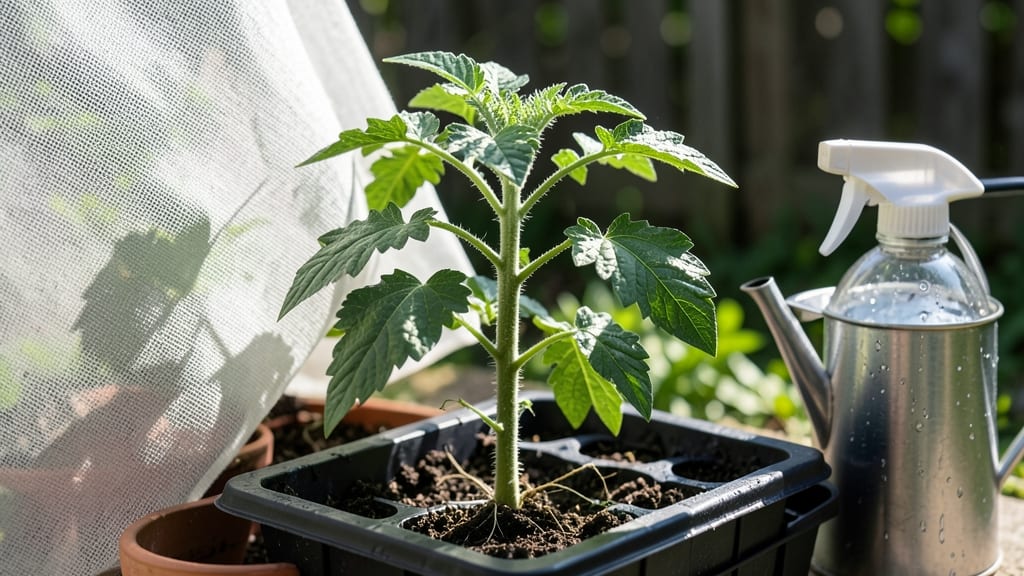
Harden off in gardening means gradually exposing young plants to outdoor conditions—like sunlight, wind, and temperature changes—to strengthen them before transplanting. This process prevents shock and boosts survival rates in the garden.
When you harden off seedlings, you're essentially preparing them for the real world by simulating outdoor conditions over time. 🌱 This gradual adjustment helps plants develop thicker cell walls and stronger root systems, making them far more resilient than those transplanted abruptly.
I've seen firsthand how seedlings that skip this step often wilt dramatically or fail to thrive after moving to the garden bed.
Think of it like a workout routine for plants—they need time to build endurance. Starting with just a few hours of morning sun and gentle breezes, then slowly increasing exposure over 7-10 days, creates the perfect transition.
The key is monitoring their response: if leaves start curling or turning yellow, you're moving too quickly.
Many gardeners overlook this step, assuming seedlings are ready when they're just a few inches tall. But without proper hardening, even the hardiest varieties can struggle with transplant shock, leading to stunted growth or complete failure.
The extra week of preparation often makes the difference between a thriving garden and a disappointing one.
💡 In This Article
- Why Hardening Off Plants Prevents Shock and Failure
- Step-by-Step Hardening Off Schedule for Seedlings
Why hardening off plants prevents shock and failure
When seedlings grow indoors under controlled conditions, their cells develop thinner walls and delicate structures optimized for consistent warmth and humidity. Suddenly moving them to outdoor sunlight, wind, and temperature swings creates a physiological shock similar to how humans would react to extreme cold without proper acclimation.
The plant's stomata—tiny pores on leaves—can't regulate water loss quickly enough, leading to wilting or even death from dehydration.
Gradual hardening triggers a natural stress response that strengthens plant defenses. Over 5-14 days, seedlings develop thicker cuticles (the waxy leaf coating) and more robust root systems capable of anchoring in soil and accessing water.
Studies show that properly hardened-off plants can withstand 10-15°F cooler nighttime temperatures without damage, compared to just 5°F for unacclimated seedlings. This cellular reinforcement happens because the plant perceives the gradual changes as a cue to prepare for outdoor life.
The process also mimics how plants naturally transition from seedling to mature growth in the wild. In nature, young plants don't experience sudden environmental shifts—they gradually encounter increasing sunlight, wind exposure, and temperature fluctuations over time.
By replicating this natural progression, you're essentially giving your seedlings a survival advantage. This is why hardened-off plants often show 30-50% better transplant success rates than those moved directly from indoors.
One key mechanism is the development of osmotic adjustment—where plants increase their internal solute concentration to maintain water uptake even when soil moisture fluctuates. Without hardening, seedlings lack this adaptation and become vulnerable to afternoon wilting, even in moderate outdoor conditions.
The gradual exposure also allows chlorophyll production to ramp up, giving leaves the ability to photosynthesize efficiently under stronger sunlight.
Temperature plays a critical role in this adaptation. Most seedlings can tolerate outdoor daytime temperatures as low as 50°F (10°C) once fully hardened, but nighttime temperatures below 45°F (7°C) can still cause stress.
This is why starting the process during mild weather—when nights stay above 50°F (10°C)—gives plants the best chance to acclimate without additional cold stress.
What most gardeners don't realize is that the wind component is often the most damaging factor. Even gentle breezes can dry out unacclimated leaves three times faster than in still indoor air.
That's why beginning with just 1-2 hours of morning sun and light wind exposure helps plants develop thicker leaf surfaces that can better retain moisture during subsequent longer exposures.
This physiological preparation isn't just about survival—it directly impacts plant vigor. Hardened-off seedlings often grow 15-25% faster after transplanting because their energy isn't diverted to repairing stress damage.
The roots develop stronger lateral growth patterns that create better soil anchorage, while the stems become more rigid to support the plant's increased biomass.