
Companion Plants
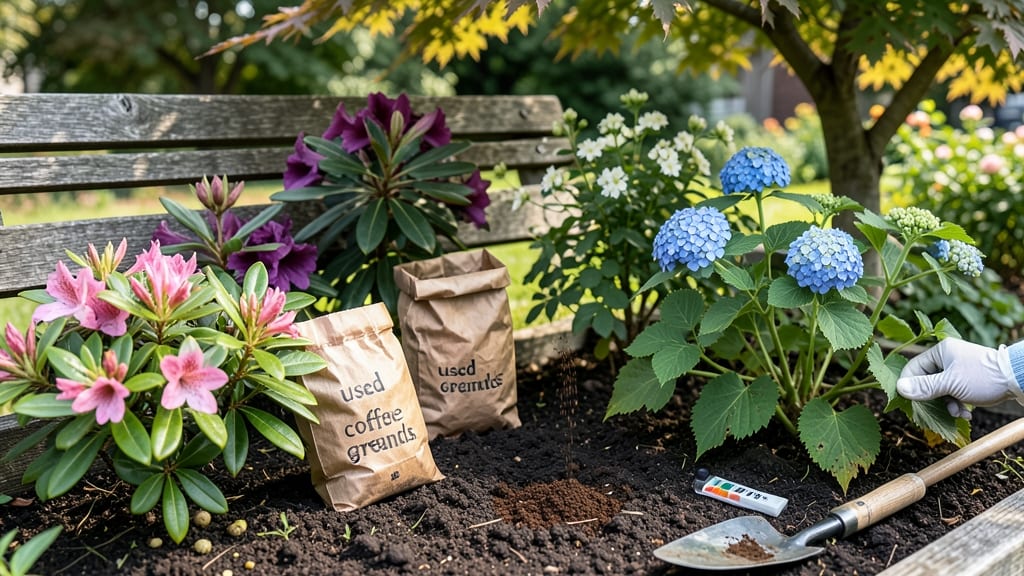
Garden plants that benefit most from coffee grounds are acid-loving varieties like azaleas, blueberries, hydrangeas, and rhododendrons, plus vegetables such as tomatoes, peppers, and eggplants, due to their nutrient-rich composition and pest-deterring properties.
Coffee grounds work their magic by lowering soil pH while adding organic matter—perfect for plants that crave slightly acidic conditions. 🌱 The nitrogen content acts as a slow-release fertilizer, while the caffeine in grounds naturally deters pests like slugs and ants.
I’ve seen azaleas thrive with coffee grounds mixed into their soil, and my tomato plants produce more vibrant fruit when topped with used grounds as mulch. Just remember: balance is key—too much can make soil too acidic or attract fungus gnats.
For vegetables like peppers and eggplants, the benefits are twofold: improved soil fertility and reduced pest pressure. The key is using grounds sparingly—about 1/4 to 1/2 cup per plant every few weeks—and composting them first to avoid nitrogen burnout.
This approach turns kitchen waste into a powerhouse for your garden while keeping harmful critters at bay.
💡 In This Article
- How Coffee Grounds Improve Soil for Acid-Loving Plants
- Best Practices for Using Coffee Grounds in Vegetable Gardens
How coffee grounds improve soil for acid-loving plants
Coffee grounds are a nutrient powerhouse for acid-loving plants because they contain 2-4% nitrogen by weight, along with trace minerals like potassium and phosphorus. When these grounds decompose, they release nitrogen slowly over 2-4 weeks, providing a gentle but consistent nutrient boost.
The organic matter also improves soil structure by increasing water retention—coffee-amended soil holds 20-30% more moisture than untreated soil, which is crucial for plants like blueberries that thrive in consistently damp conditions.
The real magic happens with pH. Fresh coffee grounds have a pH of about 4.85-5.10, which is slightly acidic. When worked into soil, they lower the pH over time, creating the ideal 4.5-6.0 range for acid-loving plants.
Azaleas, for example, need soil pH between 4.5-5.5 to absorb iron and manganese efficiently—nutrients that become locked away in alkaline soils. I've seen hydrangeas change color from pink to blue after adding coffee grounds because the lower pH activates different pigments in their flowers.
Beyond chemistry, coffee grounds act as a natural fungicide. The caffeine content (about 1-2% by weight) inhibits the growth of fungal spores in the soil, protecting roots from diseases like powdery mildew.
This is why gardeners swear by coffee grounds for rhododendrons, which are prone to root rot in poorly draining soils. The grounds also attract earthworms, which aerate the soil and create channels for better root penetration—something blueberry bushes particularly appreciate.
For best results, mix 1/4 to 1/2 cup of used coffee grounds into the top 2-3 inches of soil around acid-loving plants every 4-6 weeks. Fresh grounds should always be composted first to avoid nitrogen burnout, which can harm plant roots.
The key is consistency: regular small additions work better than one large dose, as it mimics the slow nutrient release of natural leaf litter in forest ecosystems.
Consider this comparison: A single cup of coffee grounds contains about 0.15 grams of nitrogen, which is roughly equivalent to 1/2 teaspoon of synthetic fertilizer. Over a growing season, that adds up to a significant nutrient boost without the chemical runoff risks.
For container-grown plants like hydrangeas, mix grounds directly into the potting soil at planting time—just be sure to use a well-draining mix to prevent compaction.
One common mistake is overapplying grounds, which can make soil too acidic (pH <4.0) and toxic to plants. Test your soil's pH annually with a simple test kit and adjust with lime if needed.
The visual cue is simple: healthy acid-loving plants have vibrant foliage and abundant blooms, while stressed plants show yellowing leaves or stunted growth.